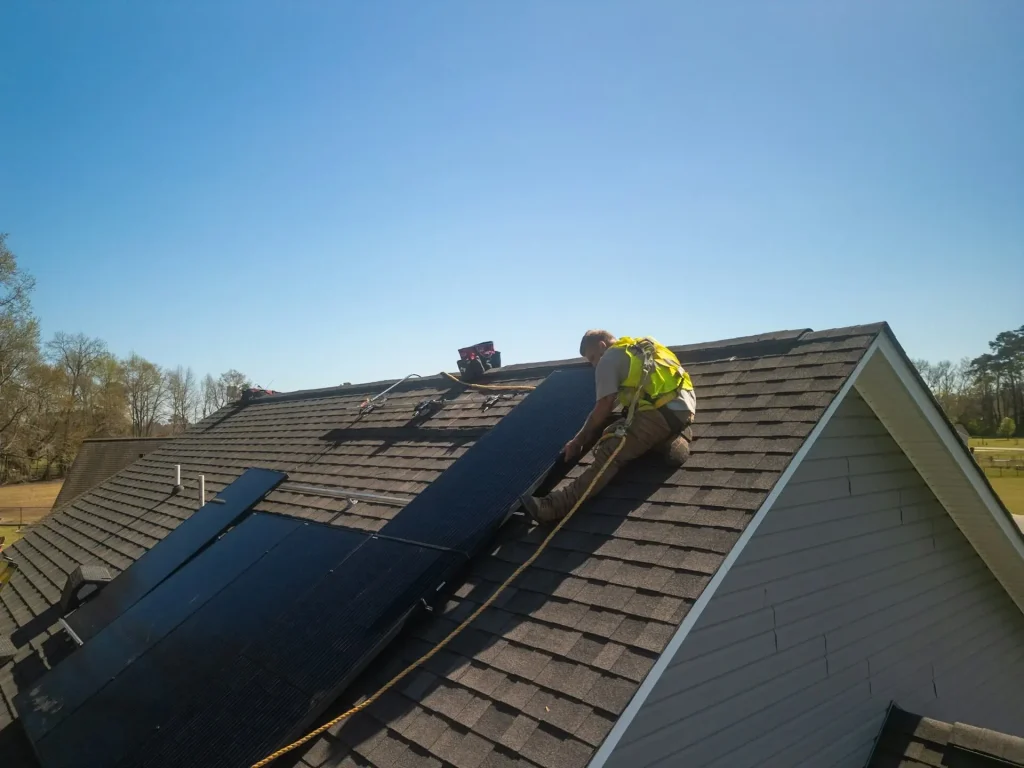
Choosing the right roofing material is one of the most important decisions homeowners face, with approximately 5 million roof replacements occurring across the United States each year. The debate between metal roofing vs shingles continues to intensify as homeowners weigh upfront costs against long-term value. While asphalt shingles currently dominate about 80% of American homes, metal roofing has surged in popularity, capturing 12% of the remodeling market and doubling its share in just four years.
Understanding the true asphalt shingles vs metal roof cost involves much more than comparing initial installation prices. Smart homeowners must evaluate durability, energy efficiency, maintenance requirements, and total cost of ownership over decades. This comprehensive guide examines every aspect of these two popular roofing materials to help you make an informed decision that protects your investment and suits your specific needs.
Understanding Your Roofing Material Options
What Are Asphalt Shingles?
Asphalt shingles represent the traditional choice for American residential roofing, first introduced in 1901 as a more durable and cost-effective alternative to wood shingles and clay tiles. These petroleum-based products consist of a fiberglass mat core saturated with asphalt and topped with ceramic granules for color, UV protection, and fire resistance.
The three main types of asphalt shingles include:
- 3-tab shingles: Thin, flat panels with uniform appearance and basic weather protection
- Architectural shingles: Thicker, multi-layered construction offering enhanced durability and dimensional appearance
- Luxury shingles: Premium options mimicking slate, wood shake, or tile with superior weather resistance
Installation involves overlapping shingles in a staggered pattern, starting from the lowest roof point and working upward. This relatively straightforward process makes asphalt shingles accessible to most roofing contractors, contributing to their widespread adoption and competitive pricing.
What Is Metal Roofing?
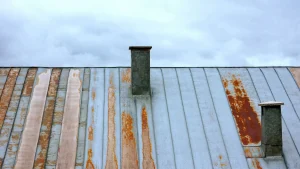
Metal roofing encompasses various materials including steel, aluminum, copper, and zinc, formed into panels or shingles designed for superior durability and weather resistance. Modern metal roofing has evolved far beyond the corrugated tin panels associated with agricultural buildings, now offering sophisticated profiles that complement any architectural style.
Primary metal roofing types include:
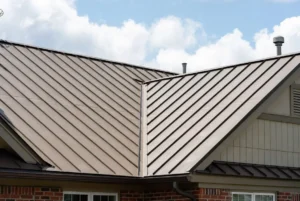
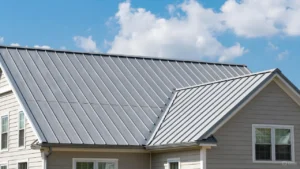
- Standing seam panels: Interlocking vertical panels with concealed fasteners for premium weather protection
- Exposed fastener panels: Overlapping panels secured with visible screws, offering cost-effective metal roofing solutions
- Metal shingles: Individual pieces designed to mimic traditional roofing materials while providing metal’s benefits
Advanced manufacturing techniques now produce metal roofing in virtually any color or finish, including options that replicate slate, wood shake, and tile appearances. This versatility, combined with exceptional durability, explains metal roofing’s rapid market growth.
Comprehensive Cost Analysis
Upfront Installation Costs
The initial investment represents the most significant difference between these roofing materials. Understanding these costs helps homeowners budget appropriately and evaluate financing options.
| Material Type | Cost Per Square Foot | 2,000 Sq Ft Home Total |
| 3-Tab Shingles | $3.50 – $4.50 | $7,000 – $9,000 |
| Architectural Shingles | $4.50 – $6.50 | $9,000 – $13,000 |
| Steel Metal Roofing | $7.00 – $12.00 | $14,000 – $24,000 |
| Premium Metal (Copper/Zinc) | $15.00 – $30.00 | $30,000 – $60,000 |
Labor costs also vary significantly between materials. Asphalt shingle installation typically requires 1-3 days with standard roofing crews, while metal roofing demands specialized expertise and precision installation, often extending project timelines and increasing labor expenses by 30-50%.
Long-Term Cost Analysis: The 60-Year Comparison
The true financial impact emerges when examining total cost of ownership over extended periods. This analysis reveals why many homeowners consider metal roofing despite higher upfront costs.
Scenario: 2,000 Square Foot Home Over 60 Years
Asphalt Shingles Path:
- Initial installation (architectural grade): $11,000
- Replacement #1 (year 20): $12,500
- Replacement #2 (year 40): $14,000
- Total 60-year cost: $37,500
Metal Roofing Path:
- Initial installation (steel standing seam): $19,000
- Maintenance and minor repairs: $1,500
- Total 60-year cost: $20,500
This comparison demonstrates potential savings of $17,000 over six decades, not including energy savings or increased property value from metal roofing.
Insurance and Financing Considerations
Insurance companies increasingly recognize metal roofing’s superior durability and fire resistance. Many insurers offer premium discounts of 10-15% for Class A fire-rated metal roofs, particularly in wildfire-prone regions. Additionally, metal roofing may qualify for federal tax credits when combined with reflective coatings that meet Energy Star requirements.
Financing options vary by material type. While asphalt shingles typically involve straightforward contractor financing, metal roofing projects may qualify for energy-efficient home improvement loans with favorable terms and longer repayment periods.
Durability and Performance Comparison
Lifespan Analysis
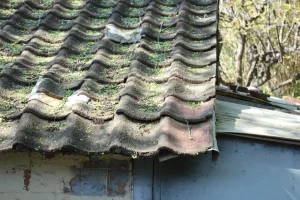
The most significant performance difference lies in expected lifespan, directly impacting long-term value and replacement frequency.
| Material | Expected Lifespan | Warranty Period | Replacement Frequency (60 years) |
| 3-Tab Shingles | 15-20 years | 15-25 years | 3-4 times |
| Architectural Shingles | 20-30 years | 25-30 years | 2-3 times |
| Steel Metal Roofing | 40-70 years | 30-50 years | 0-1 times |
| Premium Metal | 50-100+ years | 50+ years | 0 times |
These lifespan differences significantly impact maintenance planning, budgeting, and property value considerations over time.
Extreme Weather Performance
Climate considerations heavily influence roofing material selection, particularly in regions prone to severe weather events.
Wind Resistance:
- Asphalt shingles: Rated for winds up to 130 mph (premium grades)
- Metal roofing: Withstands winds exceeding 140 mph when properly installed
Hail Damage Resistance:
- Shingles: Class 4 impact resistance available in premium grades
- Metal: Typically Class 4 rated, though softer metals may show cosmetic denting
Fire Resistance:
- Both materials achieve Class A fire ratings when properly installed
- Metal roofing provides superior protection against flying embers in wildfire zones
Snow and Ice Performance:
- Shingles: Susceptible to ice dam formation and granule loss from freeze-thaw cycles
- Metal: Smooth surface promotes snow shedding, reducing ice dam risks
Structural Considerations
Weight differences between materials affect installation requirements and structural compatibility:
- Asphalt shingles: 2-4 pounds per square foot, requiring standard roof framing
- Metal roofing: 1-3 pounds per square foot, suitable for most existing structures without reinforcement
This weight advantage makes metal roofing excellent for retrofit applications and structures in earthquake-prone regions where reducing seismic load benefits overall building performance.
Energy Efficiency and Environmental Impact
Thermal Performance and Energy Savings
Energy efficiency represents a crucial factor in metal roofing vs shingles, directly affecting comfort and utility costs throughout the roof’s lifespan.
Metal roofing excels in thermal performance through several mechanisms:
- Solar reflectance: Light-colored metal roofs reflect 70-95% of solar radiation versus 20-30% for dark asphalt shingles
- Thermal emittance: Metal surfaces efficiently release absorbed heat, preventing heat buildup
- Cool roof coatings: Specialized finishes further enhance reflective properties
These characteristics can reduce cooling costs by 10-40% in warm climates, with greater savings in regions experiencing intense summer heat. Conversely, asphalt shingles absorb and retain heat, potentially increasing cooling loads and creating uncomfortable attic temperatures.
Environmental Sustainability
Environmental considerations increasingly influence roofing decisions as homeowners seek sustainable building materials.
Metal Roofing Environmental Benefits:
- Contains 25-95% recycled content depending on metal type
- 100% recyclable at end of useful life
- Reduces urban heat island effect through reflective properties
- Compatible with rainwater harvesting systems
- Supports solar panel installations without penetrating roof surface
Asphalt Shingle Environmental Concerns:
- Petroleum-based manufacturing increases fossil fuel dependency
- Generates approximately 11 million tons of landfill waste annually
- Limited recycling options, though some old shingles become road paving material
- Darker surfaces contribute to urban heat island effects
For environmentally conscious homeowners, metal roofing’s sustainability advantages often justify the additional upfront investment.
Aesthetics and Design Flexibility
Style Versatility and Architectural Compatibility
Modern manufacturing techniques have dramatically expanded design options for both roofing metal roofing vs shingles, allowing homeowners to achieve desired aesthetics without compromising performance.
Asphalt Shingle Design Options:
- Wide color palette including earth tones and bold colors
- Textural variations from smooth to heavily shadowed profiles
- Specialty shapes for unique architectural features
- Weathered appearances for historic home compatibility
Metal Roofing Design Evolution:
- Traditional corrugated and standing seam profiles
- Shingle and slate replication systems
- Tile and shake appearance options
- Custom color matching and specialty finishes
The key advantage of metal roofing lies in color retention. High-quality paint systems maintain their appearance for decades, while asphalt shingle granules gradually weather and fade, potentially requiring earlier replacement for aesthetic reasons alone.
Property Value and Curb Appeal Impact
Both metal roofing vs shingles can enhance property value, though through different mechanisms:
- Metal roofing: Typically increases property value 1-6% through perceived quality and longevity
- Asphalt shingles: Maintain neighborhood consistency and offer broader buyer appeal
Real estate professionals note that metal roofing appeals particularly to buyers prioritizing low maintenance and energy efficiency, while asphalt shingles satisfy buyers seeking traditional aesthetics and lower upfront costs.
Installation and Maintenance Requirements
Installation Complexity and Contractor Availability
Installation requirements significantly impact project timelines, costs, and long-term performance.
Asphalt Shingle Installation:
- Familiar to virtually all roofing contractors
- Standard tools and techniques reduce labor costs
- Possible installation over existing roofs in some cases
- 1-3 day typical installation timeline
Metal Roofing Installation:
- Requires specialized training and precision techniques
- Custom fabrication and measurement critical for success
- Fewer qualified contractors may limit competition
- 3-7 day typical installation timeline
This contractor availability difference affects not only initial installation but also future repairs and maintenance access.
Long-Term Maintenance Requirements
Maintenance expectations vary dramatically between metal roofing vs shingles:
| Maintenance Aspect | Asphalt Shingles | Metal Roofing |
| Annual Inspection | Required | Recommended |
| Gutter Cleaning | Critical (granule accumulation) | Standard |
| Moss/Algae Treatment | Often necessary | Rarely needed |
| Repair Frequency | Moderate to high | Low |
| Cleaning Requirements | Pressure washing may damage | Simple soap and water |
Metal roofing’s low maintenance requirements particularly benefit homeowners unable to perform regular roof maintenance or living in areas where contractor access is limited or expensive.
Making the Right Choice: Decision Framework
Key Factors for Consideration
Selecting between metal roofing vs shingles requires evaluating multiple factors against your specific circumstances:
Choose Asphalt Shingles When:
- Upfront budget constraints limit initial investment
- Neighborhood aesthetics require traditional roofing appearance
- Planning to sell within 10-15 years
- Local contractors lack metal roofing expertise
- HOA restrictions prohibit metal roofing materials
Choose Metal Roofing When:
- Long-term cost savings outweigh initial investment
- Climate includes extreme weather conditions
- Energy efficiency and environmental sustainability are priorities
- Minimal maintenance requirements are essential
- Planning solar panel installation in the future
Regional Climate Considerations
Geographic location heavily influences optimal material selection:
- Hot, sunny climates: Metal roofing’s reflective properties provide substantial cooling benefits
- Hurricane-prone areas: Both materials perform well, but metal offers superior wind resistance
- Wildfire zones: Metal roofing’s fire resistance provides crucial protection
- Heavy snow regions: Metal’s smooth surface prevents dangerous ice dam formation
- Moderate climates: Either material performs adequately, making cost the primary consideration
Conclusion
The choice between metal roofing vs shingles ultimately depends on balancing upfront costs against long-term benefits. While asphalt shingles offer lower initial investment and widespread contractor familiarity, metal roofing provides superior durability, energy efficiency, and environmental sustainability that often justify the premium pricing.
For homeowners prioritizing long-term value, minimal maintenance, and energy savings, metal roofing typically proves the wiser investment. However, those with budget constraints or short-term ownership plans may find asphalt shingles more practical. The asphalt shingles vs metal roof cost analysis extends far beyond initial pricing, encompassing replacement frequency, maintenance requirements, insurance implications, and energy savings over decades.