You’re building a new home or replacing your roof. Someone mentions a hip roof. Someone else says gable. Now you’re confused about which one actually makes sense for your house.
Here’s the real question: Does your roof shape actually matter? Yes. More than you think. I help homeowners navigate this decision constantly. The shape of your roof affects everything cost, durability, weather performance, and curb appeal. Let me break down hip roof roofing so you can make a smart decision.
What Is a Hipped Roof?
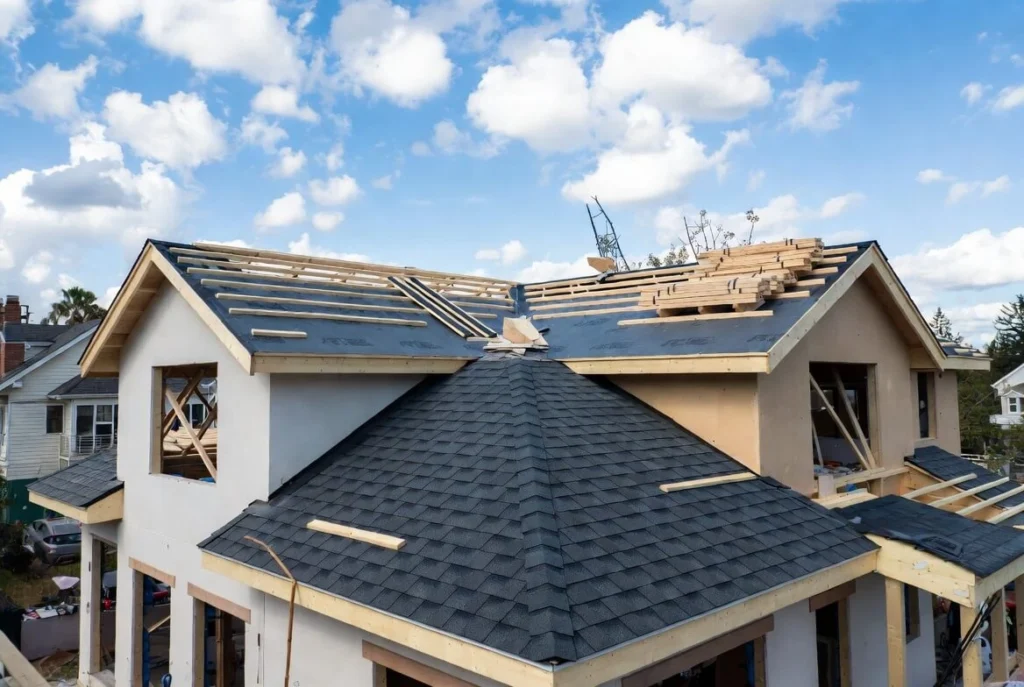
A hipped roof slopes on all four sides. Those slopes meet at the top to form a ridge. There are no vertical ends like you’d see on a gable roof.
The “hip” is that exterior angle where adjacent slopes meet. It’s what gives this hip roof style its name and distinctive look.
Key characteristics:
- All sides slope downward toward the walls
- Typically equal-length sides
- Creates a symmetrical, balanced appearance
- Self-bracing structure
Most hipped roofs sit on rectangular structures, but the design adapts to various building shapes.
Types of Hip Roof Roofing Styles
Not all hip roofs style look the same. Here are the main variations you’ll encounter.
Simple Hip Roof
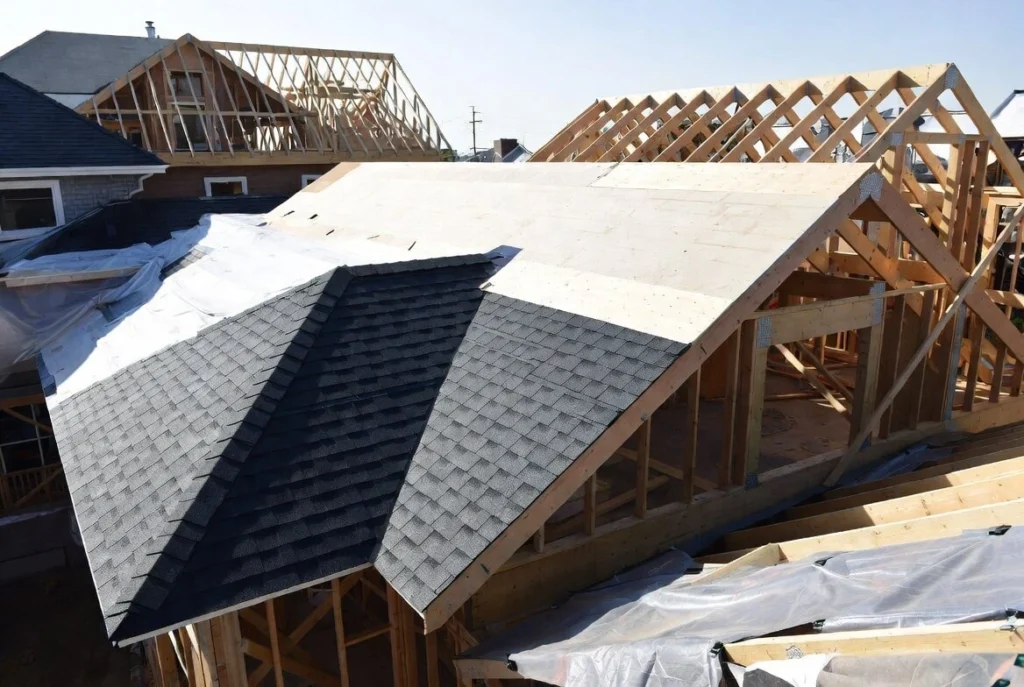
The most common style. Two triangular sides and two polygon-shaped sides meet at a central ridge. Clean, classic, works on most homes.
Half-Hip Roof (Jerkinhead)
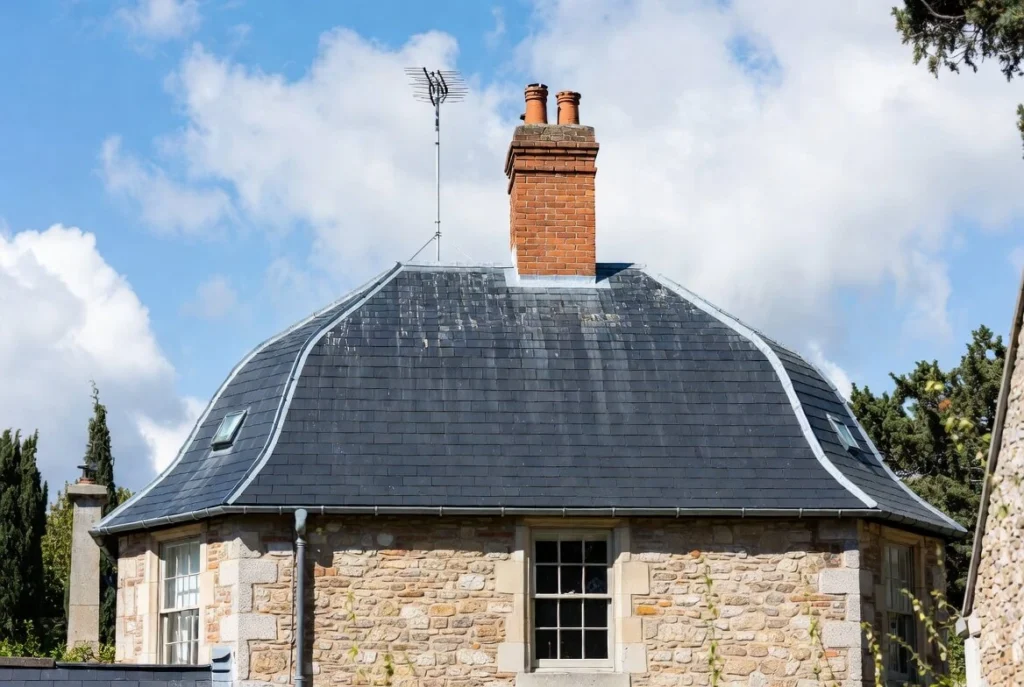
Also called a clipped gable roof. This combines elements of both hip and gable designs. The upper portion of a gable gets replaced with a small hip. You get the aesthetic of a gable with better wind resistance and gutters on all sides.
Cross-Hip Roof
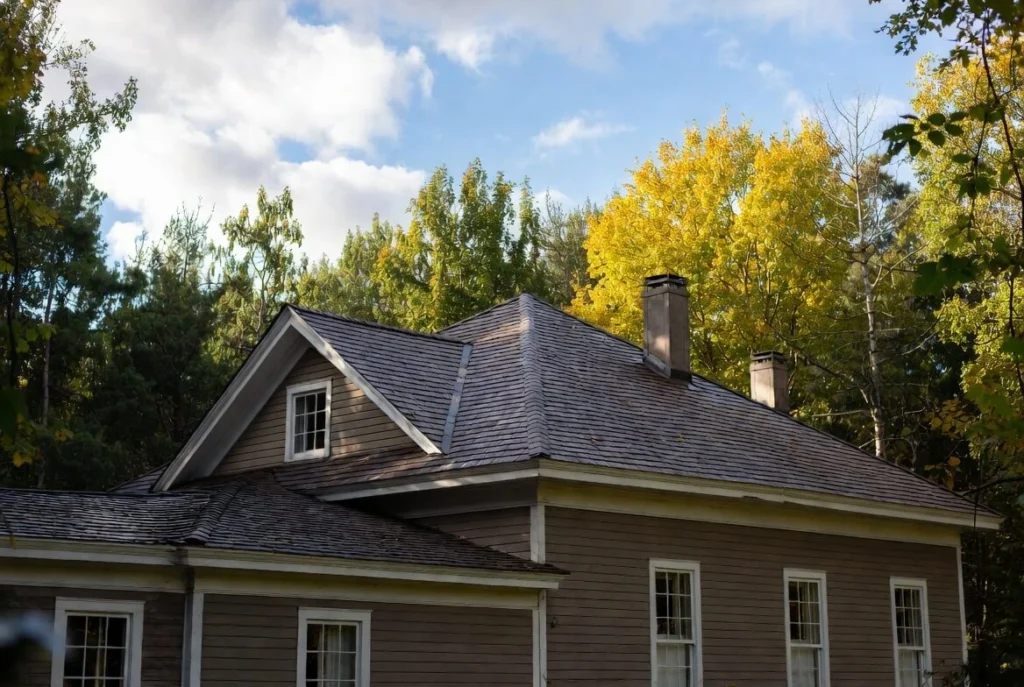
Perfect for L-shaped buildings. Two hip roofs join together, each covering a different section of the structure. These have valleys where the sections meet more complex but visually striking.
Pyramid Hip Roof
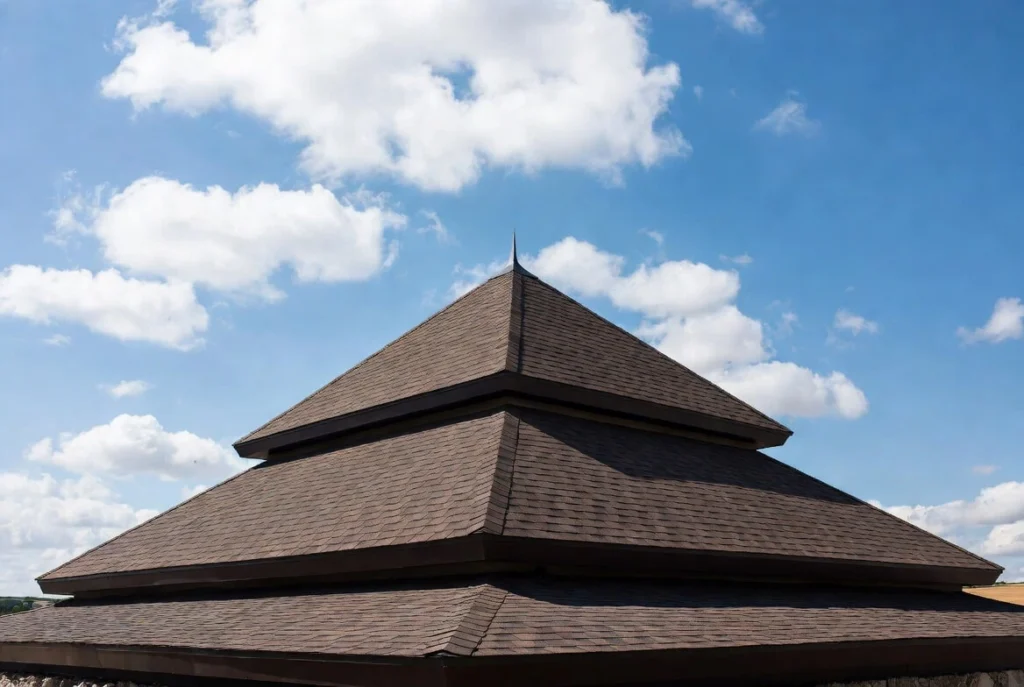
All four sides are identical triangles meeting at a single peak. No ridge, just a point at the top. Also called a pavilion roof. Common on gazebos and smaller structures.
Hip and Valley Roof
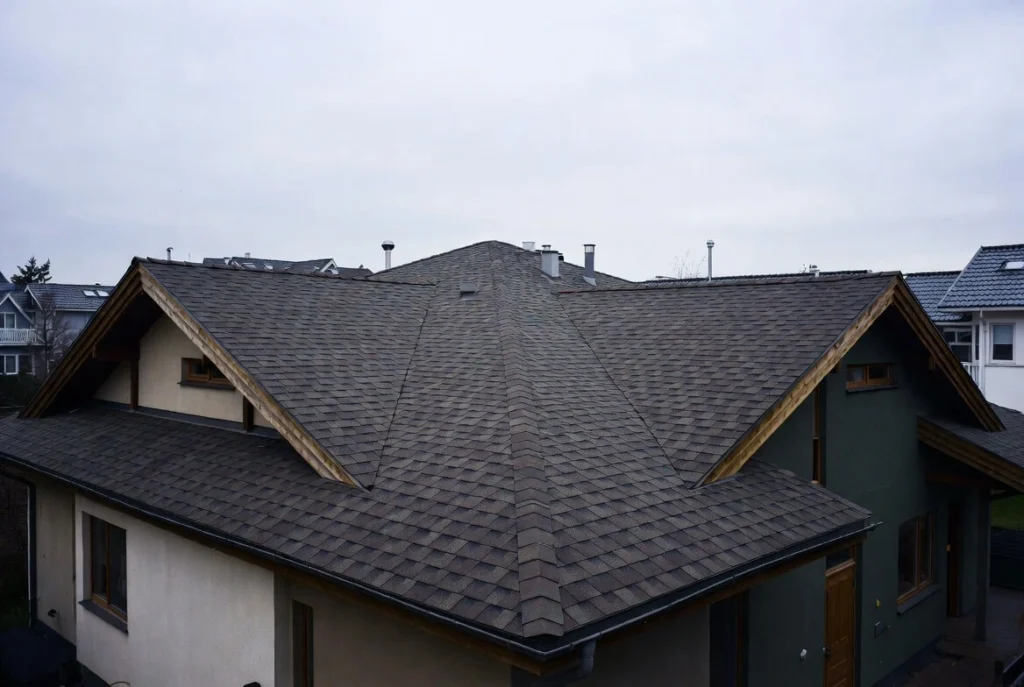
Designed for irregularly shaped buildings. Multiple hips with valleys at each adjoining corner. More complex construction but handles unusual footprints well.
Advantages of Hip Roof Roofing
Let’s talk about why people choose hipped roofs.
Superior Wind Resistance
Hip roofs are self-bracing. The inward slopes on all four sides create exceptional structural stability. This matters if you live anywhere with strong winds. Hip roofs can handle 30-degree slopes and still stand up to hurricane-force winds. The aerodynamic shape lets wind flow over instead of catching underneath. For coastal areas or tornado-prone regions, this is a significant advantage.
Effective Water Drainage
No gables means gutters on all four sides. Rain and snowmelt drain efficiently in every direction. No dead spots where water pools. This reduces leak risk and extends roof life.
Enhanced Durability
That self-bracing design requires less diagonal bracing than other roof styles. The structure is inherently stronger. With proper installation and quality materials, a hipped roof can last decades with minimal maintenance.
Additional Living Space
The construction creates usable attic space. You can convert it to storage, a bedroom, or home office.This extra square footage adds value without expanding your home’s footprint.
Aesthetic Appeal
Hip roofs look balanced and elegant. The symmetrical design complements traditional and contemporary architecture alike. They also allow flexibility with materials—asphalt shingles, metal panels, tile, slate. Whatever matches your style.
For metal roofing options that work beautifully on hip roofs, check out our metal roofing types guide.
Disadvantages of Hip Roof Roofing
Now the downsides. Because every roof style has them.
Higher Cost
Hip roofs cost more than gable roofs. Period.
Why?
- More complex design
- Almost twice the roofing material (four sides vs two)
- Higher labor costs
- Extended construction time
- More trim and accessories
Budget accordingly. A hip roof replacement will run significantly higher than a comparable gable roof.
Increased Leak Risk
More seams and valleys mean more potential leak points. Hip roofs require skilled installation. Every joint needs proper fastening and flashing. Cut corners here and you’ll have water infiltration problems within a few years. This is not a DIY project. Hire professionals who specialize in hip roof construction.
Reduced Interior Space
The inward slopes can limit ceiling height near walls on upper floors. If you’re planning a second-story addition or attic conversion, factor this into your design.
Hipped Gable Roof: The Hybrid Option
Can’t decide between hip and gable? You don’t have to. A hipped gable roof combines both styles. You get gable ends with clipped (hipped) upper portions.
Benefits of this hybrid:
- Better wind resistance than pure gable
- Gutters on all sides
- More attic headroom than full hip
- Distinctive architectural appearance
Many modern homes use this combination for both aesthetics and performance. It’s becoming increasingly popular.
Metal Roofing on Hip Roofs
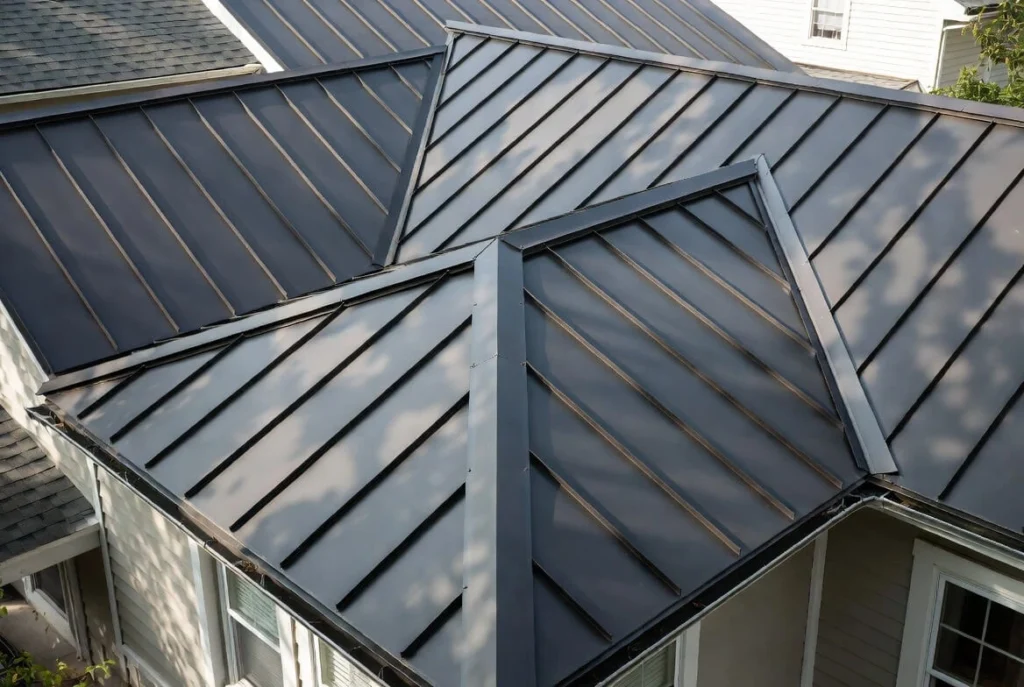
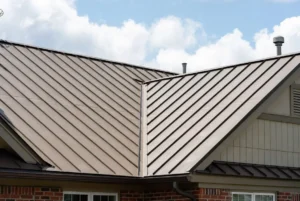
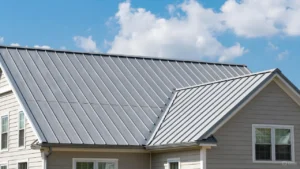
Metal roofing and hip roofs work exceptionally well together. Standing seam panels are particularly suited for hipped roofs in extreme weather conditions. The concealed fasteners and heavier gauges handle high winds and heavy snow loads.
Considerations for metal hip roofs:
- Higher material costs (four sides)
- More complex installation
- Excellent longevity (40-60 years)
- Superior wind and fire resistance
Yes, metal costs more upfront on a hip roof than a gable. But the durability and weather performance often justify the investment.
Learn more about standing seam options in our standing seam metal roofing guide.
Hip Roof vs Gable Roof: Which Is Better?
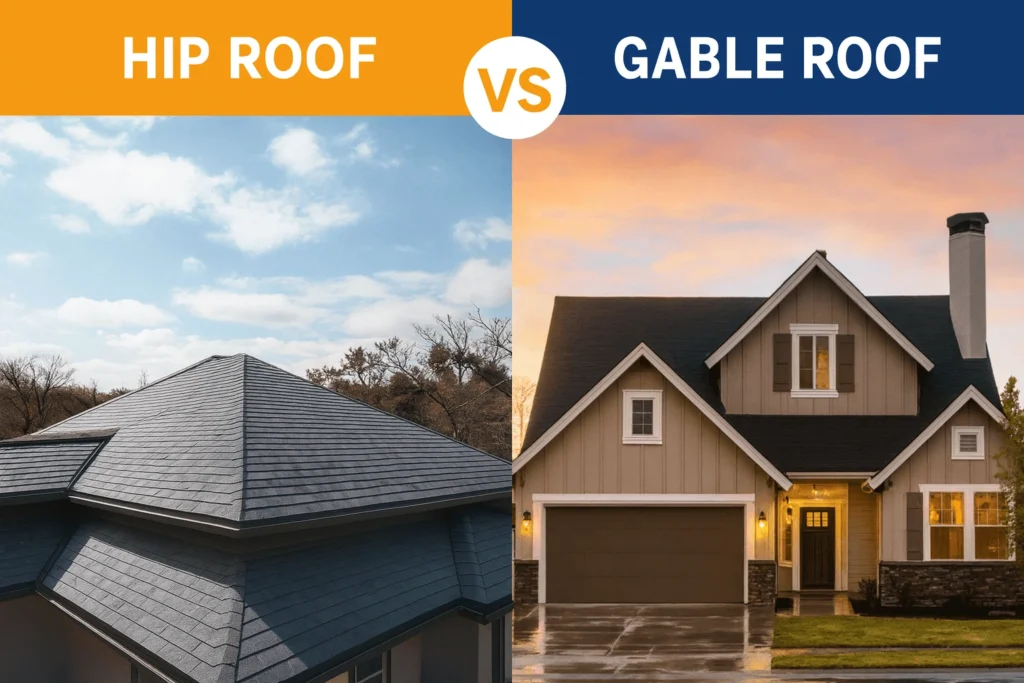
This depends entirely on your situation.
Choose a hip roof if:
- You live in a high-wind or hurricane zone
- You want gutters on all sides
- Aesthetic appeal is a priority
- You can afford higher construction costs
Choose a gable roof if:
- Budget is tight
- You want simpler construction
- Maximum attic space matters
- You’re in a mild climate
Neither is universally “better.” They serve different needs.
Read Related Article: Hip Roof vs Gable Roof: Which Style Is Right for Your Home?
What Roofing Materials Work Best on Hip Roofs?
Hip roofs accommodate virtually any roofing material:
- Asphalt shingles – Most affordable, widely available
- Metal panels – Best for extreme weather
- Clay or concrete tile – Excellent durability, heavier weight
- Slate – Premium appearance, longest lifespan
- Wood shake – Traditional aesthetic (check local fire codes)
Material choice depends on your climate, budget, and desired appearance. For help selecting materials, see our roofing materials comparison guide.
Conclusion
Hip roof roofing delivers superior wind resistance, effective drainage, and timeless aesthetic appeal. If you’re in a storm-prone area or want gutters on all sides, it’s an excellent choice.
Just be prepared for higher costs. The complex design and extra materials add up. Whether you choose a simple hipped roof, hipped gable roof, or another variation, professional installation is non-negotiable. The seams and valleys require expert craftsmanship to prevent leaks.