
You’ve got a flat roof that needs replacing and you’re trying to figure out if rubber roofing is worth the money. The quotes you’re getting range from $6,000 to $20,000, and you’re wondering what the actual rubber roofing cost should be and whether this investment pays off long-term.
Here’s the reality: rubber roofing costs more upfront than asphalt but significantly less than metal or slate. The price spread you’re seeing isn’t random it comes down to membrane type, installation method, roof complexity, and whether the contractor actually knows what they’re doing.
At Rainy Roofers, we’ve installed hundreds of rubber membrane roofs. I’ve seen homeowners overpay by $4,000 for identical work and others underpay for installations that failed within five years. This guide gives you everything you need to understand what you’re actually paying for — and what questions to ask before signing any contract.
Rubber Roofing Cost at a Glance
| Membrane Type | Material Only | Installed Cost | 1,500 sq ft Total |
| EPDM (45 mil ballasted) | $0.50–$1.50/sq ft | $4–$8/sq ft | $6,000–$12,000 |
| EPDM (60 mil fully adhered) | $1.50–$3.50/sq ft | $6–$10/sq ft | $9,000–$15,000 |
| EPDM (90 mil fully adhered) | $2.50–$4.50/sq ft | $8–$14/sq ft | $12,000–$21,000 |
| TPO (standard) | $1.00–$2.50/sq ft | $5–$10/sq ft | $7,500–$15,000 |
| TPO (60 mil premium) | $2.00–$3.50/sq ft | $7–$12/sq ft | $10,500–$18,000 |
| PVC (standard) | $1.50–$3.00/sq ft | $6–$12/sq ft | $9,000–$18,000 |
| PVC (premium 60 mil) | $2.50–$4.00/sq ft | $8–$15/sq ft | $12,000–$22,500 |
Labor accounts for 55–65% of your total rubber roof installation cost. That’s why the installed price is 3–4 times higher than material-only pricing, and why contractor choice matters more than almost any other variable.
Rubber Roofing Cost Breakdown by Type
Three membrane types dominate the rubber roofing market: EPDM, TPO, and PVC. Each uses different chemistry, installation methods, and performance profiles which is why their costs differ.
What they have in common: All three are single-ply membrane systems engineered specifically for flat and low-slope roofs (typically under 3:12 pitch). All three outperform asphalt on flat surfaces. All three require professional installation to achieve their rated lifespan and warranty coverage.
What separates them: EPDM is a true vulcanized synthetic rubber (thermoset). TPO and PVC are thermoplastics. This chemistry difference affects how seams are created, how the membrane responds to temperature extremes, and which applications each one suits best.
EPDM Roofing Cost: The Budget-Friendly Option
EPDM ethylene propylene diene monomer is the original rubber roofing membrane and still the most widely installed on residential flat roofs. It’s been in continuous commercial use since the 1960s. That 60+ year track record is not a minor detail when you’re committing $10,000+ to a roof.
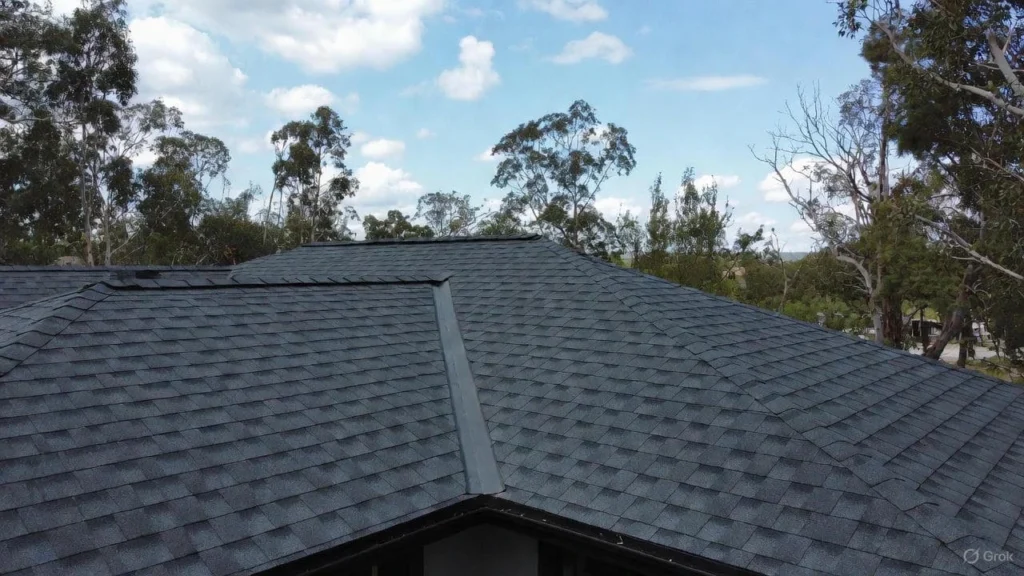
Installed cost range: $4–$14 per square foot depending on thickness, installation method, and roof complexity.
For a basic 1,000 square foot garage roof with a ballasted EPDM system: $4,000–$8,000. Scale to a 1,500 square foot residential flat addition with 60 mil fully adhered: $9,000–$15,000. Complex commercial roof with multiple HVAC penetrations, skylights, and high wind uplift requirements: $12,000–$21,000.
EPDM Membrane Thickness: The Most Important Spec
Thickness is measured in mils (thousandths of an inch). This single choice affects cost, lifespan, puncture resistance, and which warranty tier you qualify for.
| Thickness | Best For | Cost Premium | Typical Lifespan |
| 45 mil | Budget projects, unheated spaces, low-traffic roofs | Baseline | 15–20 years |
| 60 mil | Most residential applications, moderate climates | +15–25% | 25–35 years |
| 90 mil | High-traffic, extreme temp climates, roofs over living space | +40–60% | 35–50 years |
The extra $500–$1,500 for 60 mil pays back reliably through longer lifespan and reduced repair frequency. In climates with temperature swings exceeding 100°F annually — think Minnesota winters and Texas summers — 90 mil is worth the premium.
What drives EPDM roofing cost:
- Membrane thickness (45, 60, or 90 mil)
- Installation method (ballasted costs least, fully adhered costs most)
- Roof complexity and number of penetrations
- Accessibility and building height
- Old membrane removal ($1–$2 per sq ft)
TPO Roofing Cost: Mid-Range Performance
TPO thermoplastic polyolefin is a blend of rubber and plastic chemistry designed to combine EPDM’s flexibility with PVC’s seam strength. It’s become the most installed commercial roofing membrane in North America, driven primarily by its white reflective surface.
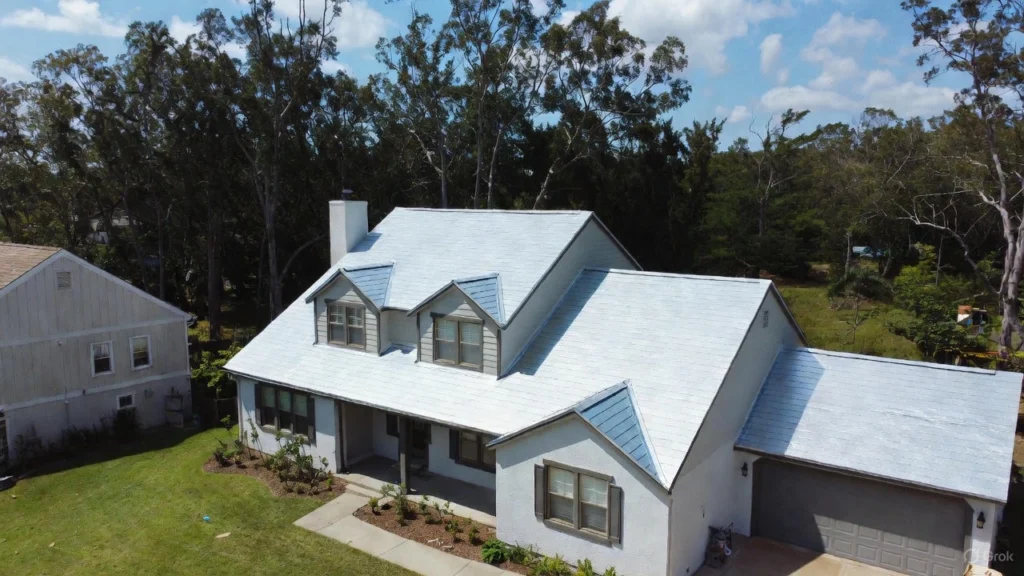
Installed cost range: $5–$12 per square foot. For a 1,500 sq ft roof: $7,500–$18,000.
The Cool Roof Rating Council certifies reflective membranes at reducing rooftop surface temperatures by 50–60°F versus black membranes. In hot climates, this translates directly into lower cooling costs. A typical installation in the Sun Belt can save $300–$600 annually in HVAC costs.
TPO caution: Unlike EPDM’s 60+ year performance history, TPO is a newer technology. Stick with established manufacturers (Carlisle, Firestone, Johns Manville, GAF) and verify your contractor’s heat-welding certification. Quality varies significantly by manufacturer.
TPO cost considerations:
- Heat-welding adds labor time and cost
- Skilled installers charge premium rates
- Fewer contractors = less price competition
- Energy efficiency may qualify for rebates (check local programs)
We installed white TPO on a commercial building last year. The $14,000 cost was $3,000 more than EPDM would’ve been. But their cooling costs dropped 18% the first summer, recovering $500+ annually. At that rate, the premium pays for itself in 6 years.
PVC Roofing Cost: Premium Investment
PVC polyvinyl chloride is the most expensive of the three rubber roofing options at $6–$15 per square foot installed. For 1,500 square feet: $9,000–$22,500.
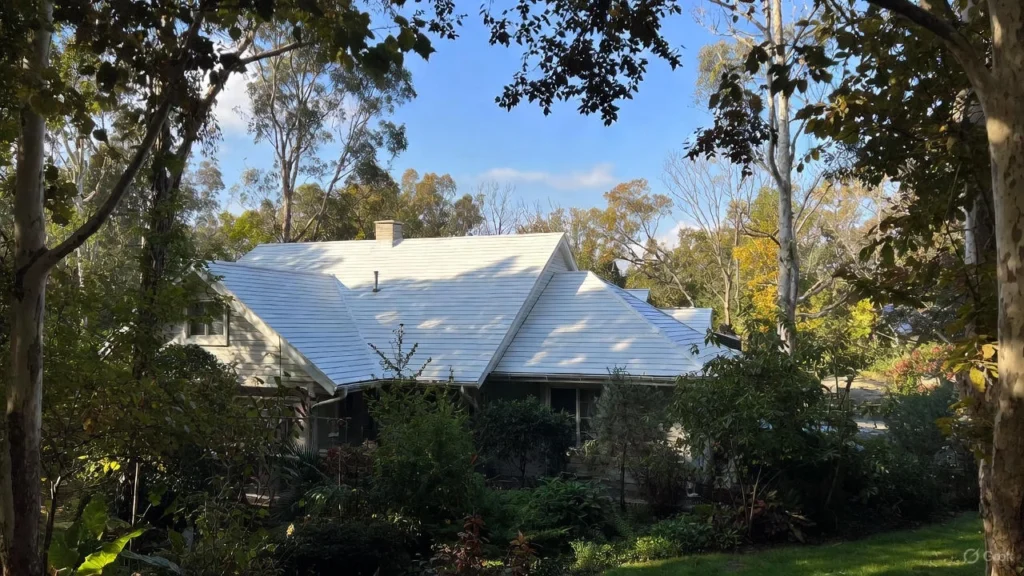
PVC’s heat-welded seams are actually stronger than the membrane material itself the industry’s highest seam strength standard. It also provides chemical and grease resistance that EPDM and TPO cannot match.
Why so much? PVC offers maximum durability, chemical resistance, and fire protection. It’s engineered for demanding applications restaurants with grease, industrial facilities, roofs with heavy foot traffic.
For residential applications, PVC is usually overkill unless you have specific needs. A homeowner with a flat roof over living space and nearby oak trees constantly dropping debris? PVC makes sense. Standard garage roof? EPDM does the job at half the cost.
When PVC Is the Right Specification
- Restaurants or commercial kitchens: Grease exhaust chemically degrades EPDM and TPO. PVC resists grease. Using EPDM/TPO here is a chemistry mismatch, not a warranty situation.
- Industrial or chemical exposure environments
- Heavy foot traffic roofs (rooftop terraces, frequent HVAC maintenance)
- When 30-year manufacturer warranty is contractually required
For most residential flat roofs, PVC is overkill. EPDM delivers equivalent waterproofing at roughly half the cost.
PVC pricing factors:
- Premium membrane material
- Heat-welding installation
- Strongest seam strength
- Longest manufacturer warranties (often 30+ years)
- Chemical and fire resistance
The cost difference between TPO and PVC has narrowed over the past decade. They’re now comparable, which is why TPO’s original promise of being a “cheaper PVC alternative” hasn’t panned out.
EPDM Installation Methods & How They Affect Cost
The same EPDM membrane installed three different ways can vary by $3–$5 per square foot in labor alone. This is the section most roofing guides skip and it’s where the biggest pricing differences actually come from.
Method 1: Ballasted System (Lowest Cost $4–$7/sq ft)
The membrane is loose-laid over insulation and held down by smooth, river-washed stone or concrete pavers (minimum 10–12 lbs per square foot of ballast).
- Fastest installation no adhesives or fasteners through the membrane
- Can be installed in almost any weather conditions
- No thermal bridging from fasteners (maintains insulation R-value per NRCA)
- Requires roof structure capable of supporting ballast weight
- Best for: Large commercial flat roofs with simple geometry and few penetrations
Method 2: Mechanically Fastened System (Mid-Range $5–$9/sq ft)
The membrane is secured using screws and metal plates along seam lines. Accounts for over 30% of all North American commercial roofing installations.
- Faster than fully adhered, works in cold weather
- Suitable for most roof deck types
- Fasteners create thermal bridges reducing insulation efficiency by 3–8%
- Membrane can flutter in high winds creates noise
- Best for: Standard commercial and larger residential flat roofs
Method 3: Fully Adhered System (Highest Performance $6–$14/sq ft)
The membrane is bonded across its entire surface using water-based or solvent-based contact adhesive.
- Highest wind uplift resistance eligible for up to 30-year manufacturer warranties
- No membrane flutter, no thermal bridging
- Suitable for buildings up to 250 feet high
- Best for: Residential roofs over living space, complex geometry, high-wind zones
- Limitation: Adhesives should not be applied below 40°F without cold-weather formulations
Rainy Roofers recommendation: For most residential applications, fully adhered 60 mil EPDM is the correct specification. The labor premium over mechanically fastened is typically $1–$2 per sq ft. The wind uplift performance, warranty eligibility, and 10-year lifespan extension makes it the better long-term value in almost every case.
Hidden Costs to Budget For
| Cost Item | Typical Range | Notes |
| Tear-off and disposal | $1,500–$3,000 | Required for most quality installations |
| Deck board repair | $500–$2,500+ | Discovered after tear-off |
| Polyiso insulation board | $1.00–$3.00/sq ft | Improves R-value, often code-required |
| Cover board (HD) | $0.50–$1.50/sq ft | Required under fully adhered on some decks |
| Custom flashing at penetrations | $150–$400 each | Per HVAC unit, skylight, drain |
| Parapet wall waterproofing | $8–$15/linear ft | If parapet walls are present |
| Building permits | $100–$1,000 | Varies by municipality |
| Dumpster rental | $300–$600 | For old material disposal |
Budget 15–20% above your base quote for these items. On a $12,000 project, keep $1,800–$2,400 in reserve.
Installation Cost Factors That Affect Your Total
Material choice is only part of your rubber roofing cost equation. These factors significantly impact your final bill:
Roof size matters less than you think. Large roofs actually cost less per square foot because contractors achieve efficiency at scale. A 3,000 square foot commercial roof might run $8 per square foot while a 500 square foot residential roof costs $12 per square foot.
Tear-off adds $1-$2 per square foot. Removing old roofing increases cost but significantly improves results. Installing over existing material saves money upfront but creates problems long-term.
Penetrations slow everything down. Every vent, skylight, chimney, or HVAC unit requires custom flashing. A roof with 10 penetrations takes twice as long as a simple flat surface. More time = higher labor costs.
Access difficulty increases pricing. Three-story building? Difficult parking? Limited material staging area? These logistical challenges add costs most homeowners don’t anticipate.
We quote a simple flat garage at $6-$8 per square foot. Complex residential roof with multiple levels, skylights, and limited access? $10-$14 per square foot using the same material.
Other Key Cost Factors
- Tear-off and removal: Adds $1–$2 per sq ft ($1,500–$3,000 on a typical roof)
- Penetrations: Budget $150–$400 per HVAC unit, skylight, vent, or drain for custom flashing
- Deck repair: Budget 10–15% contingency most projects encounter minor issues after tear-off
- Polyiso insulation board: Adds $1–$3 per sq ft but provides code-required R-value
- Building height: Two-story +8–12%; three-story or above +15–25%
Long-Term Value and ROI of Rubber Roofing
Let’s talk actual return on investment because upfront cost means nothing without context.
Lifespan comparison:
- EPDM: 25-50 years (average 30-40)
- TPO: 15-25 years (average 20)
- PVC: 25-35 years (average 30)
- Asphalt shingles: 15-25 years (average 20)
EPDM at $10,000 lasting 35 years = $286 per year. Asphalt at $6,000 lasting 20 years = $300 per year, plus you need to replace it 15 years sooner.
Energy savings add up. White TPO reducing cooling costs by $400 annually over 25 years = $10,000 in savings. That completely offsets the premium over black EPDM.
Maintenance costs stay low. Rubber roofing needs basic cleaning and inspection ($150-300 annually). Compare that to asphalt shingles requiring granule replacement, cracked shingle repairs, and more frequent interventions.
Resale value increases. Zillow data shows new roofs return 60-70% of cost when selling. A $12,000 rubber roof adds $7,200-8,400 to home value. Not full recovery, but significant.
We installed EPDM on a rental property owner’s building in 2010 for $14,000. Fifteen years later, it’s still performing perfectly with zero repairs. His tenants in a similar building with asphalt shingles have needed two partial roof repairs totaling $3,500. The math works.
Cost Comparison: Rubber Roofing vs Other Materials
How does rubber roofing cost stack up against alternatives?
Asphalt vs shingles ($4-$7 per sq ft): Asphalt is cheaper initially but needs replacement 1.5-2x more frequently. Total lifetime cost favors rubber roofing.
vs Metal roofing ($10-$18 per sq ft): Metal costs more than rubber, lasts longer (40-70 years), but makes noise and requires specialized installation. For flat roofs, rubber performs better.
vs Built-up roofing ($5-$10 per sq ft): Similar pricing to EPDM but messier installation, more maintenance, and shorter lifespan. Rubber roofing has replaced BUR in most applications.
The break-even analysis depends on how long you’ll own the property. Planning to sell in 5 years? Asphalt shingles might make sense. Staying 15+ years? Rubber roofing delivers better value.
Hidden Costs to Budget For
Don’t get blindsided by expenses beyond the base rubber roof installation cost.
- Tear-off and disposal ($1,500-$3,000 for typical roof) – Required in most cases for quality installation.
- Deck repair ($500-$2,000+) You won’t know until tear-off reveals rot or damage.
- Insulation upgrade ($1-$3 per sq ft) – Improves energy efficiency but adds cost.
- Building permits ($100-$500) – Required in most jurisdictions.
- Dumpster rental ($300-$600) – For disposing old materials.
Budget 15-20% above your base quote for these extras. Better to have money left over than scrambling for additional funds mid-project.
How to Save Money on Rubber Roofing Cost
You don’t need to accept the first quote. Here’s how to reduce rubber roofing cost without sacrificing quality:
- Get 3–5 competitive quotes: We’ve seen $8,000 and $17,000 quotes for identical work
- Time it right: Late fall and early spring better availability and 5–15% pricing flexibility
- Choose 60 mil over 45 mil: $500–$1,500 upcharge, 10+ year lifespan difference almost always worth it
- Avoid unnecessary upgrades: Standard termination bars perform identically to premium alternatives
- Ask about manufacturer rebates: CertainTeed, Firestone, Carlisle, GAF offer $200–$800 rebates on larger purchases
- Verify insurance discounts: Some carriers offer reductions for fire-rated or impact-resistant flat roofing

Is Rubber Roofing Right for You? Checklist
Rubber Roofing Is a Strong Fit If:
- Your roof slope is under 3:12 (low-slope or flat)
- You have a flat roof over living space garage, sunroom, addition, or commercial building
- You plan to own the property for 10+ years
- Energy efficiency matters white TPO/EPDM meaningfully reduce cooling loads
- You need chemical or grease resistance (restaurants, industrial) specify PVC
- You want the most proven waterproofing system for flat-roof applications
Rubber Roofing May Not Be the Right Fit If:
- Your roof has a slope above 3:12 asphalt shingles or metal are better suited
- You’re selling within 3–5 years and can’t recover the premium
- Budget is severely constrained modified bitumen is a less expensive flat-roof alternative
- You want DIY installation rubber membrane requires professional installation for warranty coverage
Conclusion
Rubber roofing cost ranges from $4-$15 per square foot installed depending on material type and project complexity. For most homeowners, that translates to $6,000-$20,000 for typical residential applications.
The question isn’t whether rubber roofing costs more than alternatives it usually does. The question is whether the longevity, low maintenance, and energy savings justify the investment.
Run the math for your situation. Calculate annual cost over expected lifespan. Factor in energy savings if choosing white TPO. Consider how long you’ll own the property.
We help clients make value-based decisions, not just price-based ones. Sometimes EPDM delivers everything you need. Sometimes TPO’s energy efficiency makes the premium worthwhile. Rarely does PVC make sense for residential applications unless you have specific requirements.
Get multiple quotes, verify contractor credentials, and choose based on total value rather than lowest price. Your roof protects everything underneath invest wisely.