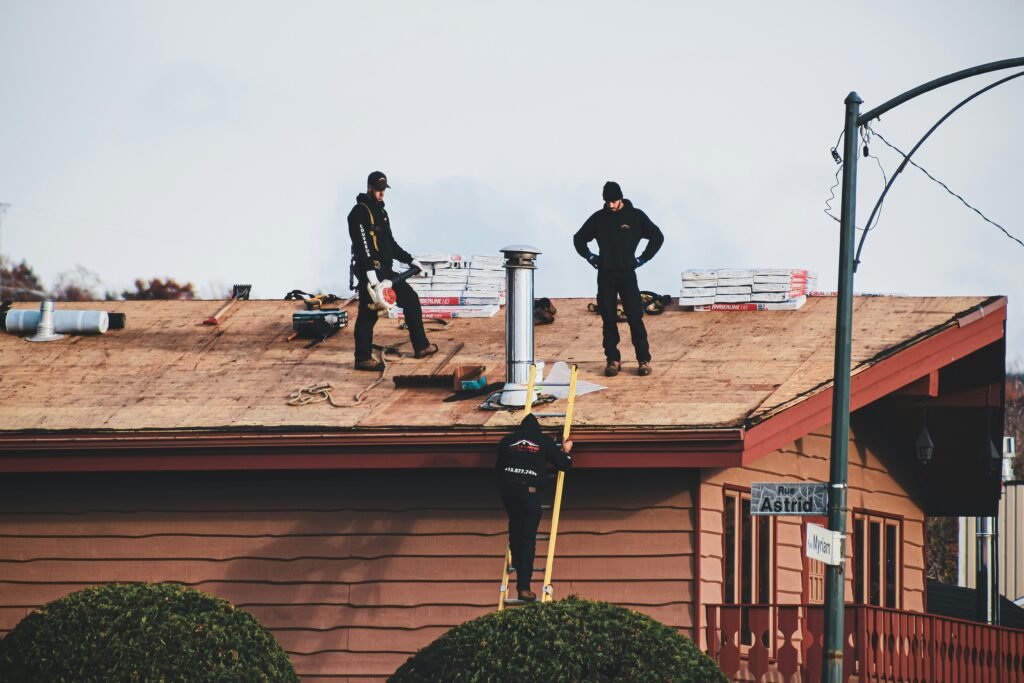
Roof replacement vs repair fall under residential construction and maintenance — decisions that involve licensed contractors, regulated building materials, supply chain costs, and local building code compliance.
Your roof is showing damage. Now you face a $300 repair or a $12,000 replacement — and you need to know which one is actually necessary.
Most homeowners get this wrong. They either overspend on a full replacement when a repair would last years, or they patch a dying roof that costs them double in 18 months.
This guide gives you 6 clear factors, real cost numbers, and the exact rule professional contractors use to make this decision in under 10 minutes.
How to Tell the Difference Right Away
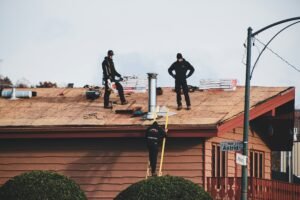
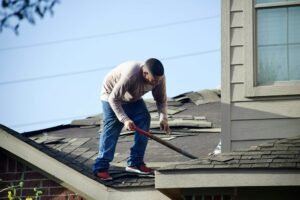
Roof repair is a targeted construction maintenance task — a contractor replaces isolated building materials like flashing, shingles, or pipe boots without disturbing the structural system. Roof replacement is a full construction project — the existing material assembly is torn off, the decking inspected, and a new system of underlayment, ice shield, shingles, and ridge components is installed to building code standards.
Repair fixes an isolated problem — a few missing shingles, one leaking flashing, or a small section of storm damage. Total cost stays under $1,500 in most cases.
Replacement removes the entire existing roof system and installs new material. Cost runs $5,000–$15,000+ depending on size and material.
The decision between the two comes down to 6 factors. Work through each one.
6 Factors That Decide Repair vs Replacement
1. Age of Your Roof
A roof’s age is the single fastest indicator. Here are the 4 most common materials and their lifespan:
- Asphalt shingles — 15 to 30 years
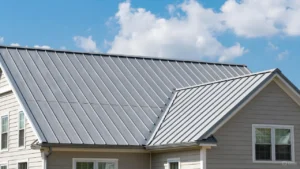
- Metal roofing — 30 to 50 years
- Flat/built-up roofing — 20 to 30 years
- Tile or slate — 50+ years
A 10-year-old asphalt shingle roof with minor storm damage? Repair it. A 24-year-old roof with the same damage? Replace it — you’re patching a system that has 6 years of life left at best.
2. Extent of Damage
Damage falls into 2 categories:
Aesthetic damage — the roof looks bad but still functions. Moss, algae streaks, and fading color fall here. Repair or clean, don’t replace.
Structural damage — the roof cannot protect your home. Watch for these 7 signs:
- Curled or cupped shingle edges
- Missing granules and bald spots on asphalt shingles
- Cracked or broken shingles across multiple sections
- Dented or perforated roofing after hail
- Sagging deck between rafters
- Daylight visible from the attic
- Widespread flashing failure
1 or 2 of these signs in one area = repair. 3 or more signs across the roof = replacement.
3. Repair Frequency
Track how often repairs happen. 3 or more repairs within 24 months is a red flag — the roof is failing systemically, not in isolated spots. At that point, continuing to repair costs more than replacing.
A straightforward formula: add up all repair costs from the last 3 years. If that total exceeds 30% of a full replacement quote, replacement is the financially smarter decision.
4. Active Leaks
1 leak from a known spot — a pipe boot, vent flashing, or missing shingle — is repairable. Catch it early and the fix costs $200–$600.
Ignore that same leak for 6 months and damage spreads to roof sheathing, attic insulation, and ceiling joists. What started as a $400 fix becomes a $3,000 structural repair before you even touch the shingles.
Multiple leaks in different areas of the roof signal deeper failure. Repair cannot solve a problem that exists in 4 locations simultaneously.
5. Your Local Climate
Climate changes the math. In New York and the tri-state area, roofs face 4 specific stressors:
- Snow and ice dams — repeated freeze-thaw cycles crack shingles and force water under flashing
- Nor’easters — high wind events pull shingles and expose underlayment
- Flat roofs (common in NYC) — require different repair logic than pitched roofs; ponding water accelerates membrane failure
- High humidity summers — feed algae and moss growth that degrades asphalt shingles 30% faster than dry climates
A 15-year-old asphalt roof in Arizona has more life left than the same roof in Buffalo, NY.
6. Selling vs Staying
Staying 10+ years: Replace a roof that is within 5 years of its end-of-life. The cost spreads over a decade of protection.
Selling within 3 years: A new roof adds $7,000–$12,000 to home resale value on average and removes a major buyer objection during inspection. In competitive markets like NYC, a failing roof kills deals.
Selling within 12 months: A clean professional repair that passes inspection is often sufficient. Buyers care that the roof is functional, not brand new.
The 30% Rule — The Fastest Way to Decide
Professional contractors use 1 simple rule to cut through the confusion:
If your total repair cost reaches 30% or more of a full replacement quote, replace the roof.
Example: A full replacement on your home costs $10,000. Any repair estimate at or above $3,000 means replacement delivers better value — you get a new 25-year system instead of extending a failing one by 3–4 years.
This rule works because repair costs compound. A $2,800 repair today often means another $1,500 repair in 14 months on the same deteriorating system.
Roof Repair Cost vs Replacement Cost (2024 Numbers)
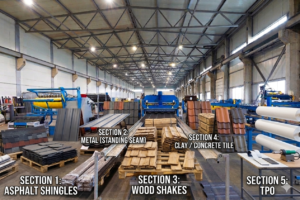
Every roofing job — repair or replacement — uses a defined set of construction materials sourced through building supply chains. Material grade, manufacturer certification, and local building code requirements all affect final cost. Here are the 6 primary building materials used in roofing construction: asphalt shingles or metal panels (primary weathering surface), synthetic underlayment (moisture control layer), ice and water shield membrane (critical in NY freeze zones), step and counter flashing (galvanized or aluminum), ridge cap components, and soffit and ridge ventilation assemblies.
Repair Costs by Job Type
| Repair Type | Cost Range |
| 1–3 missing shingles | $150 – $400 |
| Flashing repair | $200 – $500 |
| Pipe boot / vent seal | $150 – $350 |
| Small leak patch | $300 – $700 |
| Large section repair | $1,000 – $3,000 |
Replacement Costs by Material
| Material | Cost Per Sq Ft | Total Avg Cost (2,000 sq ft) |
| Asphalt shingles | $3 – $5 | $6,000 – $10,000 |
| Metal shingles | $8 – $16 | $16,000 – $32,000 |
| Flat membrane (TPO/EPDM) | $4 – $8 | $8,000 – $16,000 |
| Clay or concrete tile | $10 – $20 | $20,000 – $40,000 |
| Slate | $15 – $30 | $30,000 – $60,000 |
Permits add $150–$500 in most NY municipalities. Structural repairs — replacing rotted sheathing or damaged rafters — add $500–$2,500 on top of material costs.
When Repair Is Enough
Repair makes sense in 5 specific situations:
- Roof is under 15 years old with isolated, localized damage
- Damage covers less than 30% of the total roof surface
- 1 active leak from a single identifiable source
- Repair cost is below $1,500 and the roof has 8+ years of life remaining
- No structural damage — sheathing, rafters, and underlayment are intact
Partial re-roofing is also an option when damage concentrates on one slope. Cost runs 40–60% less than a full replacement. The downside: new material rarely matches aged shingles exactly in color.
When Replacement Is the Smarter Move
Replace the roof when any 3 of these 6 conditions are true:
- Roof is within 5 years of its material lifespan
- Damage appears in 3 or more separate locations
- Repair costs hit the 30% threshold
- Active leaks caused damage to sheathing or attic insulation
- The roof has been repaired 3+ times in the last 2 years
- You plan to sell and want to remove the roof from a buyer’s inspection report
Replacement also makes financial sense when upgrading material improves energy performance. Metal roofing reflects heat and cuts cooling costs by 10–25% annually — a measurable return over a 40-year lifespan, particularly relevant in NYC buildings with flat black membrane roofs that absorb summer heat.
From a construction and maintenance standpoint, roof replacement also resets your building’s compliance status. NYC and tri-state municipalities require permits for full tear-off replacements. A licensed contractor pulls the permit, the work is inspected, and the building record is updated — protecting resale value and insurance standing. Repair work under a certain material threshold does not require a permit in most NY counties, but any structural repair involving sheathing or rafter replacement does.
5 Red Flags in Roofing Contractors
Roof damage: Especially after a storm — attracts contractors who cut corners. Avoid any contractor who does these 5 things:
- Appears door-to-door after a storm with an out-of-state vehicle and no local license documentation
- Offers to waive your insurance deductible — this is insurance fraud in New York State
- Demands 50% or full payment upfront before any work begins
- Provides no written contract or gives a verbal-only estimate
- Cannot provide proof of liability insurance and workers’ comp — if a worker is injured on your property without coverage, you are liable
A legitimate local contractor provides a written estimate within 48 hours, pulls permits where required, and carries verifiable insurance. Ask for the license number and verify it with the NY Department of State before signing.
FAQ – Roof replacement vs repair
Is it better to repair or replace a roof?
Repair is better when damage is isolated, the roof is under 15 years old, and repair cost stays below 30% of replacement cost. Replace when damage is widespread, the roof is near end-of-life, or you’ve paid for 3+ repairs in the last 2 years.
How much does a roof repair cost in New York?
Minor repairs — missing shingles or a single leak — cost $150–$700. Complex repairs involving flashing, underlayment, or larger sections run $1,000–$3,000. Emergency same-day repairs add a 20–40% premium.
Can you repair just part of a roof?
Yes. Partial re-roofing replaces one section or slope without touching the rest. It works when damage is confined to one area and the remaining roof has substantial life left. Color matching is the main limitation — new shingles rarely match weathered ones exactly.
Does homeowners insurance cover roof replacement in NY?
Yes, if damage results from a sudden event — storm, hail, or fire. Insurance does not cover damage from neglect, normal wear, or age-related deterioration. Document all damage with photos immediately after a storm and file within your policy’s claim window, typically 1 year.
What is the 30% rule in roofing?
When your repair estimate reaches 30% or more of the total replacement cost, replacement delivers better value. A $3,000 repair on a $10,000 replacement job extends a failing roof by 2–3 years. Replacement gives you 25+ new years for $10,000.
How long does a roof last in New York?
Asphalt shingles last 15–25 years in NY — shorter than the national average of 20–30 years due to freeze-thaw cycles and nor’easter wind damage. Metal roofing lasts 30–50 years. Flat TPO/EPDM membranes last 20–30 years with proper maintenance.
What are the signs I need a new roof?
7 structural signs indicate replacement: curled shingles, missing granules, cracked or broken shingles across multiple areas, sagging roof deck, daylight visible from the attic, 3+ active leaks, and widespread flashing failure.
What construction and building materials are involved in roof replacement?
Roof replacement is a regulated construction project using 8 primary building materials and supply components:
(1) primary surface material — asphalt shingles, metal panels, TPO/EPDM membrane, clay tile, or slate; (2) synthetic underlayment — moisture and vapor barrier layer; (3) ice and water shield — self-adhering membrane mandatory in NY freeze zones; (4) roof decking/sheathing — OSB or plywood structural layer; (5) step flashing and counter flashing — galvanized steel or aluminum; (6) drip edge — aluminum or galvanized metal perimeter strip; (7) ridge cap — matching surface material over the peak; (8) ventilation components — soffit vents and ridge vents for attic airflow. Material sourcing, grade certification, and building code compliance determine both project cost and long-term performance.