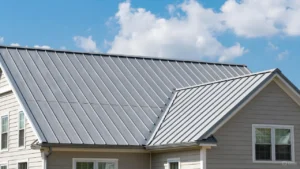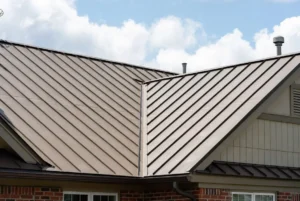
Many homeowners considering metal roofing wonder whether they can install metal roof over shingles rather than removing the existing roof entirely. This approach can save significant money on labor and disposal costs while providing all the benefits of metal roofing systems. However, installing metal roofing over existing shingles requires careful planning, proper preparation, and adherence to local building codes to ensure long-term performance.
The decision to install metal roof over shingles involves multiple factors including structural capacity, building codes, warranty considerations, and proper installation techniques. Understanding the complete process helps homeowners make informed decisions about their roofing project and ensures successful installation that provides decades of reliable protection. Professional contractors with metal roofing expertise can evaluate your specific situation and determine whether this installation method suits your home’s requirements.
1. Benefits of Installing Metal Roof Over Existing Shingles
Installing metal roof over shingles offers several compelling advantages that make this approach attractive for many homeowners. The most significant benefit involves cost savings, as removing existing shingles can add $2,000 to $5,000 to your project depending on home size and disposal fees.
Time efficiency represents another major advantage when you install metal roof over shingles. The installation process moves faster without tear-off requirements, reducing labor costs and project duration. Weather delays become less problematic since your home maintains protection throughout the installation process.
Key installation benefits include:
- Reduced labor costs: Elimination of tear-off and disposal expenses
- Faster installation: Projects complete 2-3 days sooner on average
- Weather protection: Existing roof provides backup during installation
- Less disruption: Reduced noise and debris for homeowners
Additional insulation benefits occur when metal roofing installs over existing shingles, as the old roof provides an extra thermal barrier. This can improve energy efficiency and reduce heating and cooling costs over time.
2. Building Code Requirements and Structural Considerations
Before you install metal roof over shingles, local building codes must be thoroughly reviewed and followed. Most jurisdictions allow this installation method, but specific requirements vary by location and may include restrictions on the number of roof layers permitted.
Structural capacity evaluation becomes critical when adding metal roofing weight to existing shingle loads. While metal roofing weighs less than many traditional materials, the combined weight of both roof systems requires professional assessment to ensure adequate structural support.
Essential code compliance factors:
- Layer limitations: Most codes allow maximum two roof layers
- Permit requirements: Building permits typically required for metal roofing
- Inspection protocols: Professional inspections at various installation stages
- Manufacturer specifications: Warranty requirements for proper installation
Professional structural evaluation helps determine whether your home’s framing can support the additional load safely. This assessment considers factors like rafter spacing, beam capacity, and overall structural integrity.
3. Preparation Steps for Metal Roof Installation Over Shingles
Proper preparation ensures successful installation when you install metal roof over shingles. The existing roof surface must be thoroughly inspected for damage, loose shingles, or structural issues that could compromise the new metal roofing system.
Loose or damaged shingles require removal or repair before metal installation begins. Any exposed nails should be driven flush or removed to prevent interference with metal panels. Ridge vents, gutters, and flashing need evaluation and potential modification for metal roofing compatibility.
Critical preparation requirements:
| Preparation Task | Purpose | Professional Required |
|---|---|---|
| Structural inspection | Load capacity verification | Yes |
| Surface preparation | Smooth, secure substrate | Recommended |
| Ventilation planning | Proper airflow design | Yes |
| Flashing evaluation | Waterproofing integrity | Yes |
Installing proper underlayment over existing shingles provides additional moisture protection and creates a smooth surface for metal panel installation. High-temperature ice and water shield works best in areas prone to ice dams or severe weather.
4. Installation Process and Professional Requirements
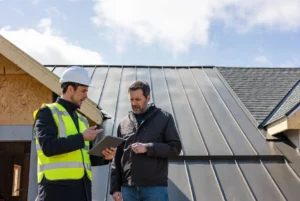
The actual process to install metal roof over shingles requires specialized knowledge and equipment that most homeowners don’t possess. Professional installation ensures proper panel alignment, fastener placement, and weatherproofing that protects your investment for decades.
Furring strips often install over existing shingles to create proper drainage and ventilation channels beneath metal panels. However, some contractors attempt metal roof over shingles without furring strips to reduce costs, which can lead to moisture problems and reduced panel lifespan. This step prevents moisture buildup and allows thermal expansion without damaging the roofing system.
Professional installation advantages:
- Proper fastener selection: Compatible materials preventing galvanic corrosion
- Panel alignment: Precise installation for weather resistance
- Flashing expertise: Critical waterproofing around penetrations
- Warranty compliance: Manufacturer requirements for coverage
Specialized tools and safety equipment make professional installation the safest option. Metal roofing panels are large and unwieldy, requiring proper handling techniques to prevent injury and material damage.
5. Cost Considerations and Budget Planning
Understanding the complete costs helps homeowners budget effectively when planning to install metal roof over shingles. While this method saves on tear-off expenses, other factors affect total project costs including permits, structural modifications, and material requirements.
Material costs for metal roofing vary significantly based on metal type, panel style, and quality grade. Steel roofing typically costs $3-8 per square foot, while aluminum and copper options range higher depending on specifications.
Budget planning factors:
- Material selection: Steel, aluminum, or copper options
- Labor requirements: Professional installation recommendations
- Permit costs: Local building department fees
- Structural modifications: Potential reinforcement needs
Long-term value considerations include energy savings, reduced maintenance, and increased home value. Metal roofing can reduce cooling costs by 10-25% and typically adds significant resale value to properties.
6. Potential Challenges and Limitations
While many homes accommodate metal roofing over existing shingles, certain situations present challenges that require alternative approaches. Homes with multiple existing roof layers, structural damage, or severe shingle deterioration may need complete tear-off before metal installation.
Weight limitations become critical factors in older homes or structures with questionable framing. Professional structural evaluation identifies potential issues before installation begins, preventing costly problems later.
Common installation challenges:
- Structural limitations: Inadequate support for combined roof weight
- Ventilation complications: Existing systems requiring modification
- Flashing complexity: Difficult integration with existing roof features
- Code restrictions: Local regulations prohibiting overlay installation
Warranty considerations also affect installation decisions, as some manufacturers require specific substrate conditions for full coverage. Understanding these requirements before beginning work prevents warranty voiding.
7. Long-Term Performance and Maintenance
Properly installed metal roofing over existing shingles provides decades of reliable performance with minimal maintenance requirements. Regular inspection schedules help identify potential issues before they become expensive problems requiring emergency repairs.
Maintenance requirements include annual inspections, gutter cleaning, and prompt repair of any damaged panels or fasteners. Professional maintenance programs ensure optimal performance and preserve manufacturer warranties throughout the roof’s lifespan.
Performance optimization strategies:
- Annual inspections: Professional evaluation of system condition
- Preventive maintenance: Addressing minor issues promptly
- Warranty compliance: Following manufacturer maintenance requirements
- Professional repairs: Qualified contractors for any needed work
Proper installation over existing shingles can provide 40-70 years of reliable service, making it an excellent long-term investment for homeowners seeking durable roofing solutions.
Endnote
The decision to install metal roof over shingles offers significant advantages for many homeowners, including cost savings, faster installation, and improved energy efficiency. However, successful implementation requires professional evaluation, proper preparation, and expert installation to ensure optimal performance and longevity. Understanding building code requirements, structural limitations, and installation best practices helps homeowners make informed decisions about this popular roofing approach that combines the benefits of metal roofing with practical installation advantages.