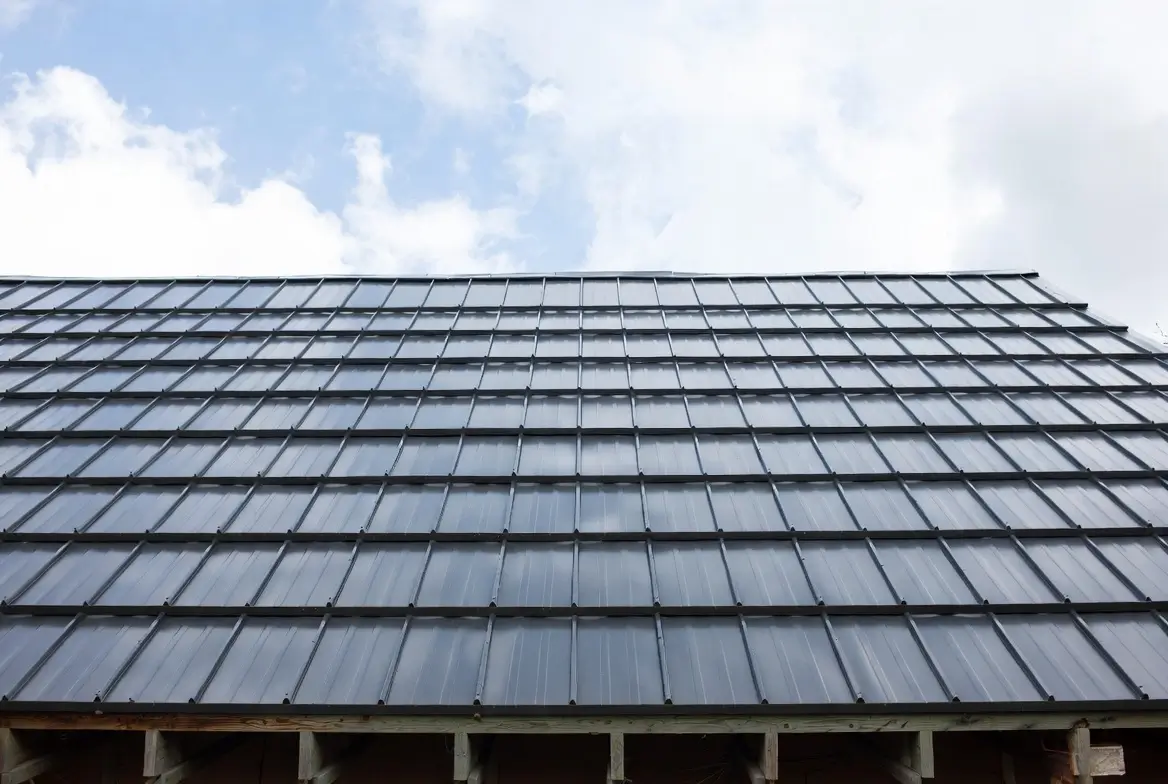
You’re about to spend $15,000 on a metal roof. The contractor shows you two options. One’s $200 cheaper. They look identical. He says “just go with the cheaper one.”
Three years later, you’re staring at water stains on your ceiling, calling every roofer in town to figure out why your “metal roof” is leaking.
That $200 savings just cost you thousands in repairs. Here’s what nobody tells you about PBR panels until it’s too late.
What Is a PBR Panel and Why It Matters
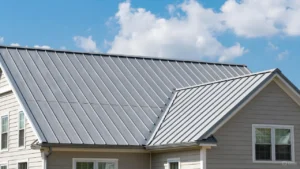
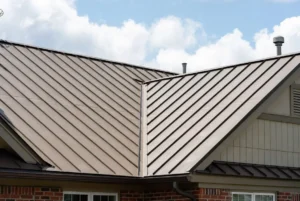
A PBR panel (Purlin Bearing Rib) is a metal roofing and siding system with one critical difference from regular panels: an extra leg that sits on the purlin.
That’s it. One extra piece of metal. But that one piece changes everything.
Think of it like this. Regular metal panels are like two pieces of paper barely touching at the edges. A strong wind or heavy rain pushes right through that gap.
PBR panels? That extra leg creates a full overlap. It’s like folding one piece of paper completely over the other. Water has nowhere to go.
The system uses exposed fasteners (screws you can see) and comes in a 36-inch coverage width. The ribs stand 1-1/4 inches tall and run 12 inches apart down the panel.
You’ll see these on commercial buildings, barns, warehouses, and increasingly on homes where people want that industrial look without the industrial problems.
Here is our related guide about R Panel vs PBR Panel: What You Actually Need to Know.
The Purlin Bearing Leg: Your $8K Insurance Policy
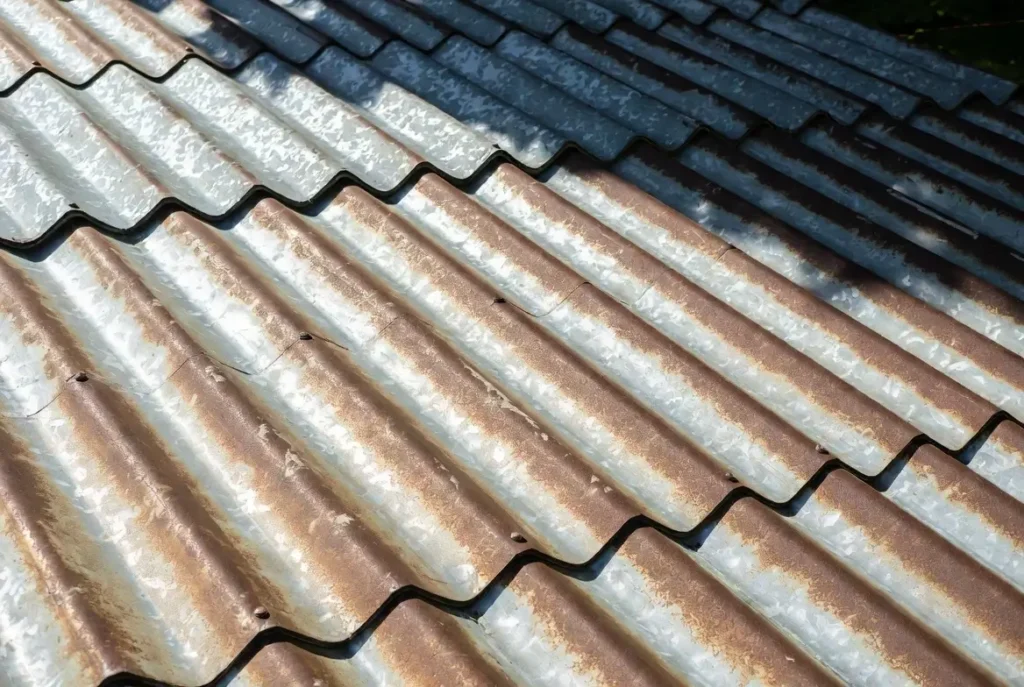
Last summer, I walked into a job where a guy installed regular R-Panels on his 4,000 square foot barn.
Year one? Fine.
Year two? Small drips during heavy storms.
Year three? Full-on leaks at every seam. Cost to fix it: $8,200. They had to remove panels, add proper sealing, and reinstall everything.
The purlin bearing leg prevents this.
Here’s how it works:
The Overlap Design:
- One panel’s extra leg laps completely over the next panel’s edge
- Creates metal-to-metal contact across the entire seam
- Installers add sealant tape between the overlapping sections
- Wind and rain hit solid metal, not a barely-there connection
The Result:
- Water can’t push through during storms
- Wind can’t lift the edges
- The connection gets stronger over time, not weaker
At Rainy Roofers, we’ve installed both systems. The difference becomes obvious around year five. Regular panels start showing wear at the seams. PBR systems? Still sealed tight.
Installation: Open Framing vs Solid Substrate
You can install these panels two ways.
Open Framing (most common for commercial and agricultural):
- Screws go directly into metal purlins or wood support beams
- No plywood or sheathing underneath
- Faster installation, lower material cost
- The purlin bearing design is critical here because there’s nothing to back up weak seams
Solid Substrate (common for residential):
- Panels attach over plywood or OSB sheathing
- Extra layer of protection
- Higher material cost but more forgiving during installation
The panels work both ways. Installed horizontally on roofs, vertically on walls.
Here’s what matters during installation:
- Minimum roof slope: 1/2:12 (though we recommend at least 1:12 for better drainage)
- Standard thickness: 26 gauge (go 24 or 22 gauge in high-wind areas)
- Panel lengths: 5 feet to 50 feet (order exact lengths to minimize seams)
The exposed fastener system means screws penetrate through the panel into the support structure. This is simpler than hidden fastener systems, which makes installation faster and repairs easier.
Durability: What You’re Actually Paying For
Metal roofing isn’t cheap. You need to know what you’re getting.
Weather Resistance:
- Wind resistance: These panels handle serious storms (check your specific wind rating with your supplier)
- Hail resistance: The 1-1/4 inch rib height adds structural strength
- Fire resistance: Class A fire rated—won’t burn, won’t spread fire
Lifespan: With proper installation, you’re looking at 30-50+ years. The metal doesn’t rot, bugs won’t eat it, and it won’t curl up like shingles.
Coating Options:
- Galvalume® Plus: Basic protection, good for low-exposure areas
- Signature® 200: Mid-tier, 30+ year paint warranty
- Signature® 300: Premium, 40-year paint warranty
A guy I know went cheap on the coating. Saved $800 upfront. Five years later, the paint was chalking and fading. He spent $3,500 on a roof coating to protect his “investment.”
Don’t do that.
Cost Reality: The Numbers Everyone Avoids
Let’s talk about money.
PBR panels typically run $2.50-$4.50 per square foot installed, depending on:
- Panel gauge (thicker = more expensive)
- Coating system (premium coatings add $0.50-$1.00/sq ft)
- Your location (labor costs vary)
- Building complexity (more cuts = higher labor)
For a 2,000 square foot roof, that’s roughly $5,000-$9,000 installed.
Compare that to:
- Asphalt shingles: $3,000-$6,000 (needs replacement in 15-20 years)
- Standing seam metal: $12,000-$18,000
The value isn’t just in the price. It’s in what you’re not spending later.
No leak repairs. No replacement in 15 years. No calling contractors every time a storm blows through.
At Rainy Roofers, we’ve seen customers save thousands by choosing PBR panels over cheaper alternatives that failed early or premium systems they didn’t actually need.
Applications: Where This Actually Makes Sense
Commercial Buildings: When you’re covering 10,000+ square feet, durability matters more than aesthetics. The low-maintenance aspect means you’re not paying a crew to inspect and repair the roof every few years.
Agricultural Buildings: Barns, equipment storage, livestock buildings. These need weather protection without the premium price tag of architectural systems.
Residential Projects: Modern farmhouse aesthetic, garage upgrades, or full home roofing where you want that clean, industrial look.
The panels come in dozens of colors. You’re not stuck with “barn red” or “warehouse gray” unless that’s what you want.
FAQs About PBR Panels
What does PBR stand for in roofing?
Purlin Bearing Rib. The “purlin bearing” part means the panel has an extra leg that sits on the purlin for better overlap and leak protection.
Can I install PBR panels myself?
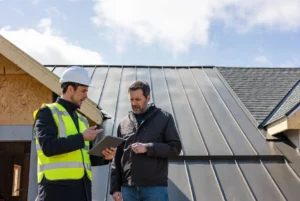
Yes, if you’re comfortable on a roof and can follow instructions. The exposed fastener system is straightforward. That said, wrong installation voids warranties and creates leak points. For anything larger than a shed, call Rainy Roofers.
What’s the difference between 26 and 24 gauge?
Thickness. 26 gauge is standard and works for most applications. The 24 gauge is thicker, stronger, and better for high-wind or heavy snow areas. It costs about 10-15% more.
How do PBR panels handle snow?
Very well. The smooth metal surface lets snow slide off naturally. Add snow retention systems if you’re worried about sudden avalanches damaging gutters or landscaping.
Do exposed fasteners leak?
Not if installed correctly with proper screw placement and rubber washers. The screws penetrate through the flat part of the panel (not the ribs) where water doesn’t pool.
The Real Decision Point
Here’s what it comes down to.
You can save $200-$500 going with basic panels that barely overlap. Or you can spend slightly more on a system with the purlin bearing leg that prevents the expensive problems nobody warns you about.
I’ve seen both choices play out dozens of times. The people who go cheap always regret it around year three. The people who invest in proper PBR panels? They forget about their roof and move on with their lives. That’s the goal, right? Install it once, done for 40 years.
At Rainy Roofers, we’re transparent about costs, installation requirements, and realistic expectations. No overselling premium systems you don’t need. No pushing cheap options that create problems later.
Choose based on your actual needs, not marketing hype or bottom-dollar pricing. Your building deserves better than that.