
You’re building a house. Or replacing your roof. Someone throws out terms like “gable” and “hip” and suddenly you’re lost. Which one is right for your home? Does it even matter?
Yes — it matters a lot. Your roof shape directly affects cost, durability, attic space, ventilation, and how well your home handles wind, rain, and snow.
This complete guide covers everything about gable roofs: what they are, all gable roof types, key components, advantages and disadvantages, cost breakdown, materials, and how they compare to hip roofs. Let’s get into it.
What Is a Gable Roof?
A roof gable is a roof style with two sloping sides that meet at a central ridge, forming a triangular section at each end of the building. That triangular wall section is called the gable — and that’s exactly where the name comes from.
Think of a child’s drawing of a house: that peaked roof with the triangle on the side. That’s a gable roofing.
Gable roofs dominate American residential construction, appearing on approximately 65% of single-family homes built since 1950. Their popularity comes down to three things: simplicity, cost, and effectiveness.
Key features of the gable roof structure:
- Two sloping sides
- Central ridge at the top
- Triangular gable ends
- Vertical walls below the gables
The gable roof structure relies on rafters or trusses extending from the ridge board down to the exterior walls. It’s straightforward engineering that’s been used for centuries. This simplicity is exactly why gable roofs dominate American housing.
Gable Roof Structure: Key Components Explained
Understanding gable roof components is essential whether you’re planning a new build, doing repairs, or talking to a contractor. Here’s every part of a gable roof structure:
Ridge Board
The horizontal beam running along the very peak of the roof. The ridge board is where all rafters attach on both sides it’s the structural spine of a gable roof. Without a properly positioned ridge board, the entire gable roof structure is compromised.
Rafters vs Trusses
Rafters are individual sloped boards cut and installed on-site, running from the ridge board down to the exterior wall plate. They offer more flexible attic space. Trusses are pre-engineered triangular frames fabricated off-site they go up faster, are often stronger, but limit usable attic room.
Modern gable roof construction commonly uses trusses for speed and structural consistency.
Sheathing (Roof Deck)
Plywood or OSB (Oriented Strand Board) panels nailed to the rafters or trusses. The sheathing creates the solid base for all roofing materials above it.
Gable Ends
The triangular wall sections at each end of the building, formed by the two sloping roof planes. Gable ends are typically clad in the same material as the rest of the exterior siding, stone, brick, or wood.
Gable Vents
Louvered vents installed on the gable ends to allow air circulation through the attic. Gable vents work best when paired with soffit vents for cross-ventilation, pulling hot air out and drawing cool air in from below.
Fascia, Soffit & Eaves
Fascia: The vertical board running along the roof’s edge, covering rafter ends and supporting gutters.
Soffit: The underside of the roof overhang, which can be open or closed. Open soffits improve ventilation.
Eaves: The lowest edges of the roof that overhang the exterior walls, directing water away from the foundation.
Hurricane Straps & Bracing
Metal connectors that tie roof trusses or rafters securely to the wall framing. According to FEMA guidelines, properly bracing gable ends is one of the most cost-effective ways to protect a home from high winds. Diagonal bracing within the gable end framing is critical in any storm-prone region.
Types of Gable Roofs: All Gable Roof Designs Explained
Not all gable roof types look the same. The basic shape has evolved into several distinct styles, each suited to different architectural needs, climates, and budgets. Here are all the main gable roof styles you’ll encounter.
1. Standard Gable Roof (Open Gable)
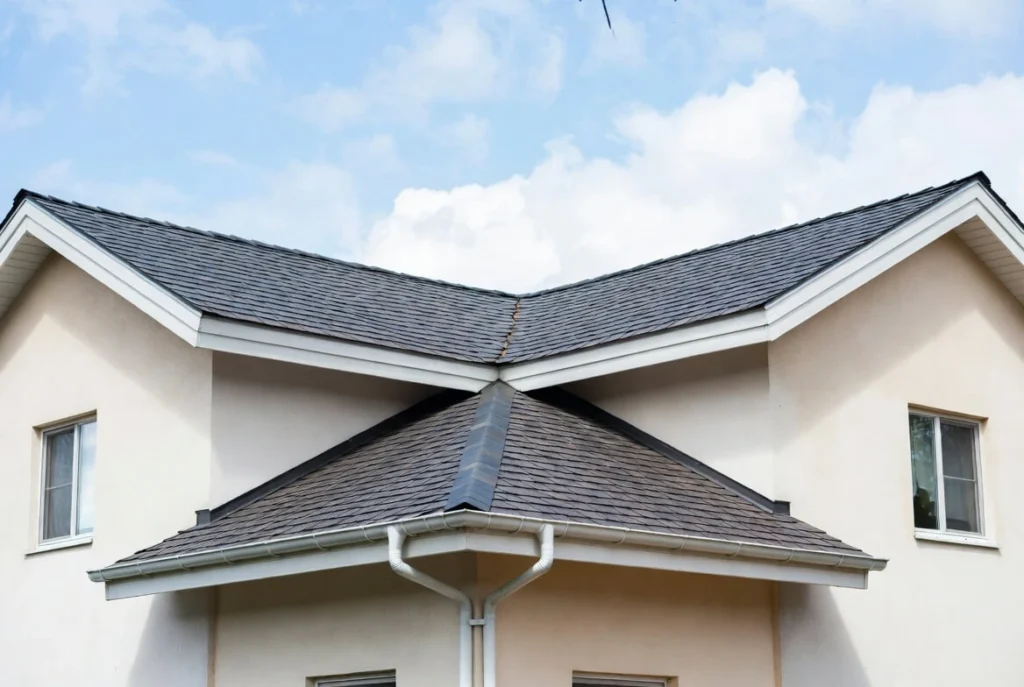
The classic gable roof design. Two equal slopes meet at a central ridge, creating triangular gable ends on each side. No complex framing, no valleys, no complicated drainage paths.
Best for: Most residential homes wanting an affordable, traditional look. Ranch-style homes use low-pitched standard gables (4/12 to 6/12 slope), while Cape Cod designs use steeper pitches (10/12 to 12/12) for better snow shedding.
Watch out for: The flat gable end walls are vulnerable to wind uplift. In high-wind areas, diagonal bracing and hurricane straps are essential.
2. Box Gable Roof
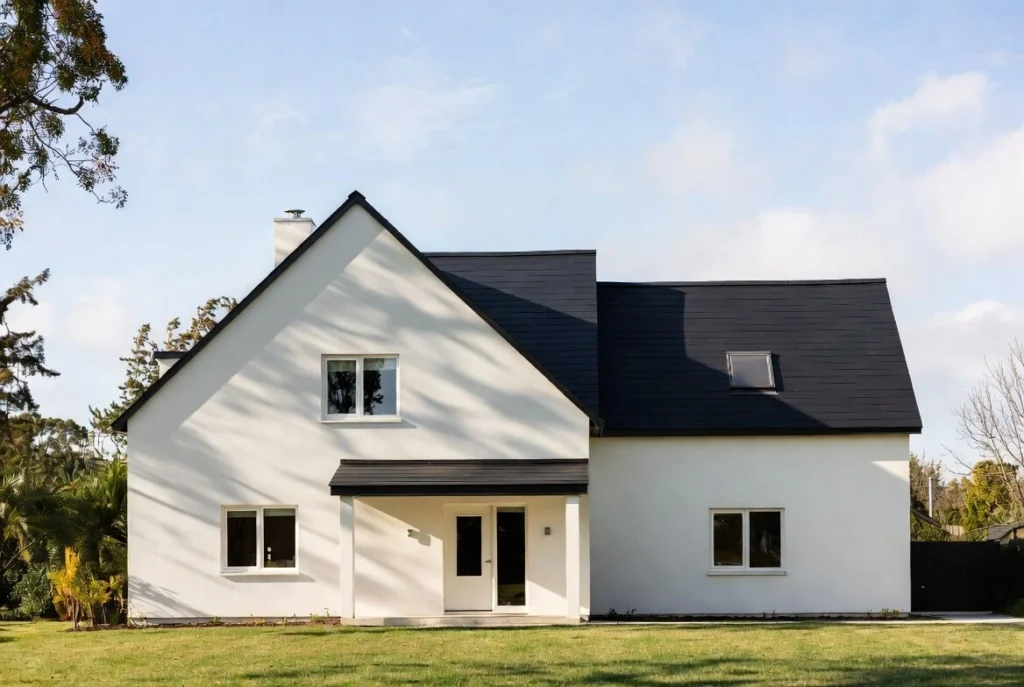
Similar to the standard gable, but the triangular gable section is enclosed in a box and extends slightly beyond the wall. This creates deeper overhangs at the gable ends, giving the home extra protection from rain and a more finished, decorative look.
Best for: Homes that want more character than a plain open gable without adding major complexity. Provides better weather protection for the upper walls.
Watch out for: Slightly higher cost than open gable due to the additional framing for the box extension. Not recommended for extremely high-wind areas because the extended overhang can catch uplift.
3. Cross Gable Roof
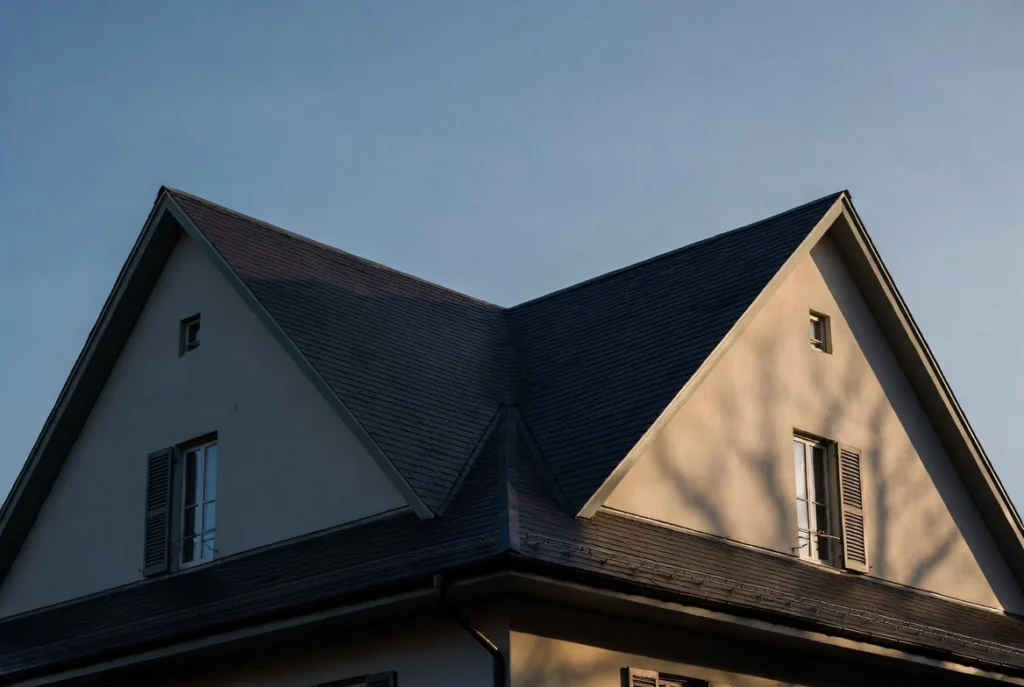
Two or more gable sections meeting at right angles. Common on L-shaped or T-shaped homes where different wings of the house need their own roof planes. The ridges of each gable section are typically perpendicular to each other.
Cross gable roofs create more interesting and dynamic architecture — but every intersection creates a valley, and valleys are where water concentrates. Flashing and drainage in these valleys need to be done correctly.
Best for: Larger, more complex homes with multiple wings. Allows each section of the house to have its own appropriately-pitched gable.
Watch out for: Valley maintenance is critical. Debris accumulates in valleys and improper flashing leads to leaks. Budget more for maintenance on cross gable roofs.
4. Dutch Gable Roof (Gablet Roof)
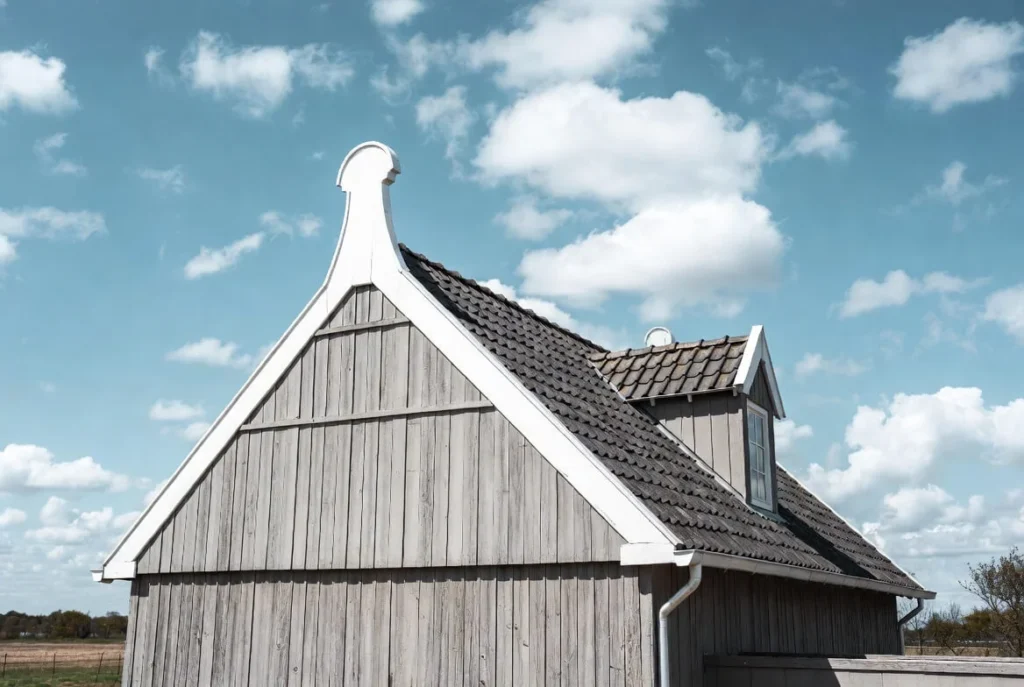
The Dutch gable roof (also called a gablet roof) is a hybrid between a hip roof and a gable roof. It features a hip roof base with four sloping sides, topped by a small vertical gable section at the peak. This gable portion sits above the main hip structure.
Dutch gable roofs offer the aesthetic appeal of a traditional gable with improved wind resistance from the hip base. The added gable section also increases usable attic space by 15-20% compared to a standard hip roof and allows for windows or vents in the gable portion.
Best for: Homeowners who want visual interest, better wind performance than a standard gable, and more attic space than a full hip roof. Popular in areas with occasional high winds.
Watch out for: Construction costs are 20-30% higher than standard gable roofs due to the complex framing where hip rafters meet gable studs. Requires experienced carpenters.
5. Gambrel Roof
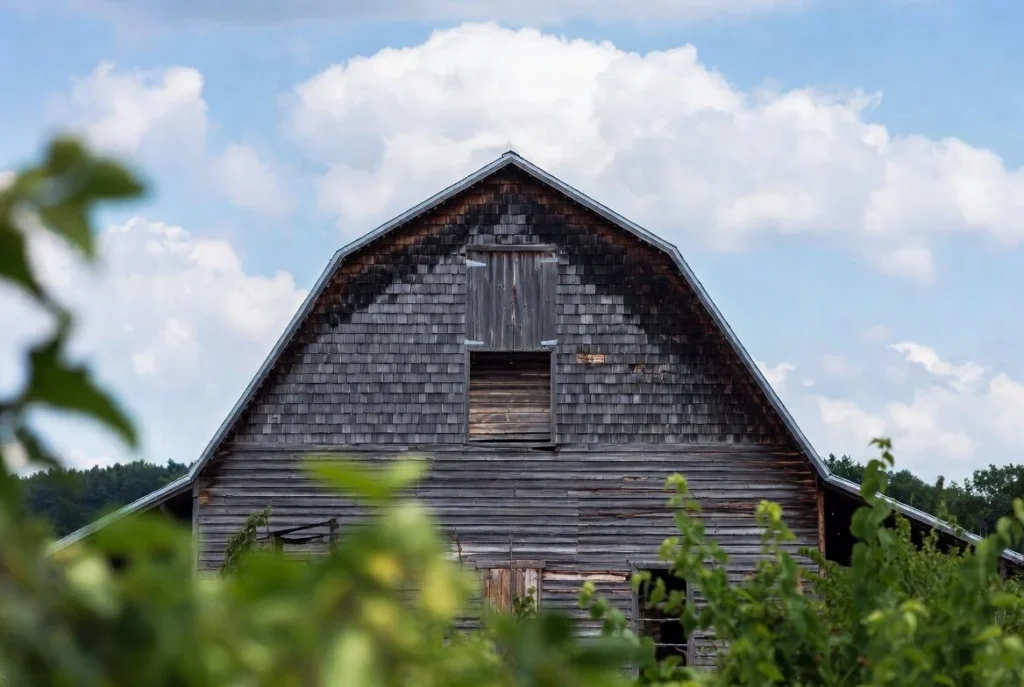
The gambrel roof is a gable roof variant with two different slopes on each side. The upper slope is gentle (shallow pitch) while the lower slope is steep. This double-pitch design is what gives classic barns their distinctive profile.
The gambrel design maximizes attic space more than any other gable roof type — the upper story under a gambrel roof can function as a full living area. Dutch Colonial homes and New England barns commonly feature gambrel roofs.
Best for: Homeowners wanting maximum attic or upper-story living space. Excellent for two-story barns and Dutch Colonial architectural styles.
Watch out for: The shallow inner slopes can accumulate snow in heavy snowfall regions. Additional structural reinforcement may be needed for high snow loads.
6. Saltbox Gable Roof
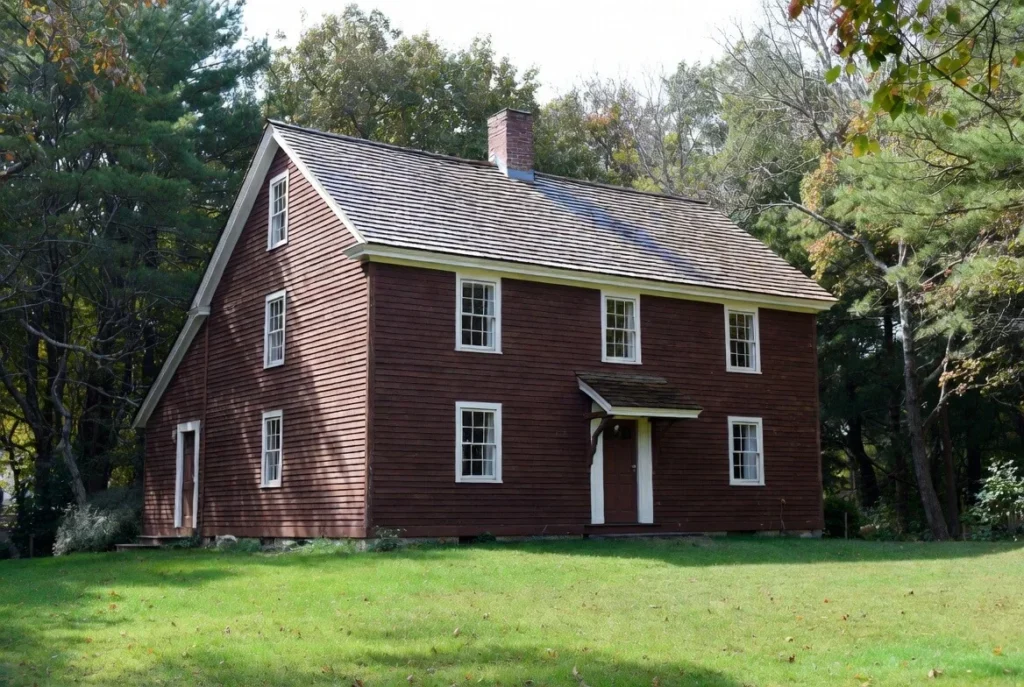
A saltbox roof is an asymmetrical gable where one slope is significantly longer and extends further down than the other. The result is a long, low profile on one side with a short, steep pitch on the other — named after the shape of colonial saltboxes.
This design is often the result of adding a rear addition to an existing gable home, creating the distinctive asymmetry. The extended slope provides more interior space on one side and sheds rain exceptionally well.
Best for: New England colonial architectural styles and homes that have been extended. The unique profile adds significant curb appeal.
Watch out for: The tall, exposed vertical side wall on the shorter slope is more susceptible to wind damage. Not ideal for hurricane or tornado-prone regions.
7. Open Gable Roof
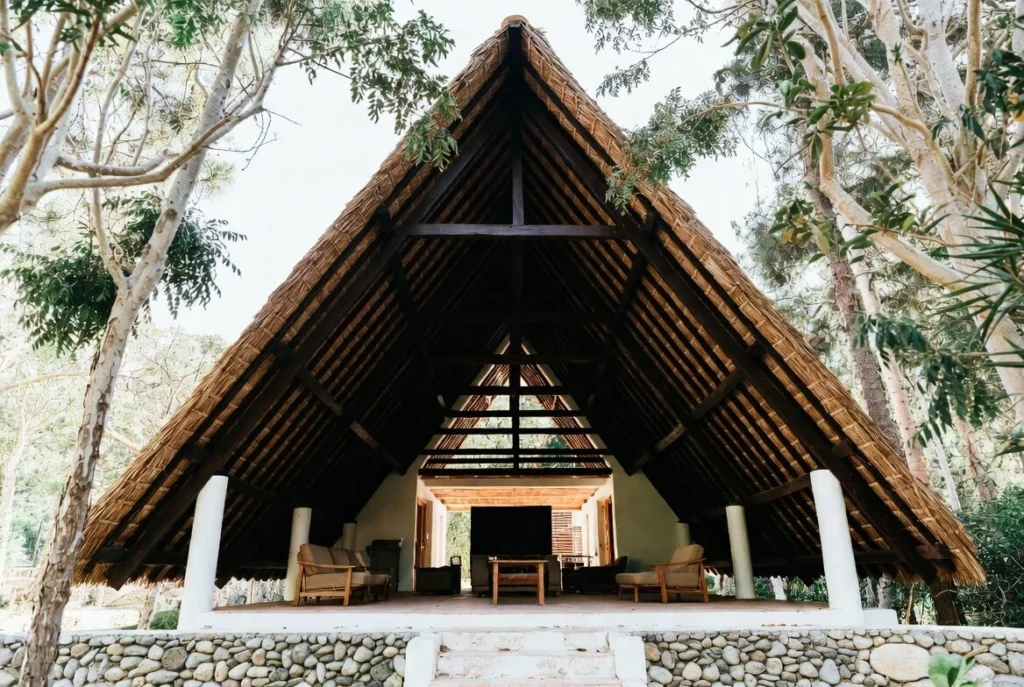
An open gable roof is where the triangular gable ends are left structurally open — the roof structure is visible beneath the overhanging eaves. This is not the same as an open framing error; it’s a deliberate design choice that allows excellent natural ventilation.
Open gable roofs are frequently used on covered porches, barns, agricultural buildings, and contemporary homes where the exposed structural elements are part of the aesthetic.
Best for: Covered porches, outdoor structures, barns, and modern homes where ventilation and open structure aesthetics are desired.
Watch out for: The open structure allows pests, birds, and moisture to enter more easily. Screening or careful detailing is needed to prevent issues.
| Gable Roof Type | Best For | Wind Resistance | Cost vs Standard |
| Standard (Open) Gable | Most residential homes | Moderate | Baseline |
| Box Gable | Extra overhang, curb appeal | Moderate | +5-10% |
| Cross Gable | L/T-shaped homes | Moderate | +15-25% |
| Open Gable | Porches, barns, modern homes | Moderate | Similar |
| Dutch Gable | Wind-prone areas, attic space | Good | +20-30% |
| Gambrel | Maximum attic/living space | Moderate | +15-20% |
| Saltbox | Colonial style, additions | Fair | +10-15% |
Gable Roof Advantages: Why They’re So Popular
1. Cost-Effective Construction
Gable roofs cost significantly less than hip roofs — typically 25-35% less for comparable homes. The simpler geometry means fewer materials, lower labor costs, and faster installation (2-3 days for an experienced crew vs 4-5 days for complex roof styles).
Typical cost range: $25,000-$50,000 for a complete gable roof. A comparable hip roof runs $34,000-$68,000.
2. Excellent Water and Snow Drainage
The steep pitch of a gable roof sends rain, snow, and debris sliding off the surface before it can accumulate. The angled surfaces reduce the risk of water damage by approximately 40% compared to flat roofs.
This is why gable roofs dominate in cold climates — New England, Canada, and the upper Midwest all rely heavily on gable roof design for effective snow shedding. For heavy snow regions, a pitch of 6/12 or steeper is recommended.
3. Maximum Attic Space
The gable roof structure creates vaulted ceiling space in the attic typically 300-500 additional square feet in a standard 1,500 sq ft home. That extra volume means more storage, better ventilation, and potential for converting the attic to living space.
Hip roofs, by contrast, slope on all four sides and severely limit usable attic headroom near the walls.
4. Superior Ventilation
Gable vents install easily in the triangular end walls. When paired with soffit vents, this creates continuous cross-ventilation through the attic pulling cool air in from the bottom and exhausting hot air from the top.
This airflow system reduces attic temperatures by 10-15 degrees Fahrenheit during summer months, cutting cooling costs by approximately 7% and extending the life of roofing materials.
5. Solar Panel Friendly
Two large, uninterrupted roof surfaces give you maximum flexibility for solar panel installation. Unlike hip roofs with their multiple angles, a gable roof provides clean, consistent planes that optimize solar orientation and simplify installation.
6. Material Versatility
Virtually any roofing material works on a gable roof asphalt shingles, metal panels, cedar shakes, clay tiles, concrete tiles, or slate. The consistent two-plane geometry makes material installation straightforward and reduces waste.
Gable Roof Disadvantages: What to Watch For
Now the downsides. Because every roof style has them.
1. Wind Vulnerability
This is the primary weakness of a gable roof. While the sloped sides are aerodynamic, the flat gable end walls are not. When strong winds hit these flat surfaces directly, they create significant uplift pressure that can separate the roof structure from the walls.
In extreme cases hurricanes, tornadoes improperly braced gable roofs can fail catastrophically. The wind gets under the overhang and lifts the entire roof structure.
If You’re in a High-Wind Zone
|
2. Higher Maintenance in Storm-Prone Areas
If you live somewhere with frequent severe storms, gable roofs will need more inspection and maintenance than hip roofs. Wind damage to gable end walls, overhang damage, and valley issues on cross gable roofs are the most common repair needs.
3. Cross Gable Valley Issues
Where two gable sections intersect on a cross gable roof, a valley forms. Valleys are natural water collection points and are among the most leak-prone areas of any roof. Proper flashing and regular debris removal are essential.
Potential for Additional Repairs
Wind damage means more repair calls. If you live somewhere with frequent storms, budget for ongoing maintenance.
Less Curb Appeal (Subjective)
Some people find gable roofs too simple compared to hip roofs. That’s personal preference. I think well-designed gable roofs look great, but others prefer the consistent eave line of hip roofs.
Gable Roof vs Hip Roof: Which Is Better?
The gable vs hip roof decision is one of the most common choices homeowners face. Here’s how they compare across the factors that matter most.
| Factor | Gable Roof | Hip Roof |
| Cost | $25,000-$50,000 typical | $34,000-$68,000 typical |
| Wind Resistance | Moderate (requires bracing) | Excellent (all sides slope) |
| Attic Space | Maximum — full headroom | Limited near walls |
| Snow Shedding | Excellent with steep pitch | Good on all sides |
| Installation Time | 2-3 days typical | 4-5 days typical |
| Solar Panels | Ideal — two large planes | Possible but less optimal |
| Ventilation | Easy with gable vents | Ridge vents required |
| Best Climate | Cold/snowy regions | High-wind/hurricane zones |
| Curb Appeal | Classic, traditional | Consistent, modern |
Choose a gable roof if: Budget is a concern, you want maximum attic space, you’re in a cold/snowy climate, or you’re planning solar panels.
Choose a hip roof if: You’re in a hurricane zone or high-wind region, you want more consistent eave lines, or wind resistance is your top priority.
Gable Roof Materials: What Works Best?
One of the advantages of gable roof design is material compatibility almost anything works. Here’s how the main options compare for gable roof construction:
Asphalt Shingles
Cost: $3.50-$5.50/sq ft installed. Lifespan: 20-30 years.
The most common gable roof material in North America. Asphalt shingles are weather-resistant, come in hundreds of colors and styles, and are relatively easy to repair. Class A fire-rated asphalt shingles are ideal for gable roofs in most climates.
Metal Roofing
Cost: $7-$14/sq ft installed. Lifespan: 40-70 years.
Metal roofing excels on gable roofs especially in areas with heavy snowfall, as snow slides off clean metal panels easily. Standing seam metal is particularly well-suited to gable roof construction and is highly wind-resistant when properly fastened.
Cedar Shakes & Wood Shingles
Cost: $6-$10/sq ft installed. Lifespan: 20-40 years.
Natural cedar provides excellent insulation and a classic, rustic appearance. Requires more maintenance than asphalt or metal regular treatment to prevent moisture and moss.
Clay or Concrete Tiles
Cost: $10-$18/sq ft installed. Lifespan: 50+ years.
Extremely durable and low-maintenance. Heavy gable roof structure must be engineered to handle the added weight. Most common in the Southwest and Mediterranean-style homes.
Slate
Cost: $15-$30/sq ft installed. Lifespan: 75-150 years.
The premium option. Natural slate is extraordinarily durable and beautiful, but requires structural reinforcement for its significant weight and specialized installation expertise.
| Material | Cost/Sq Ft | Lifespan | Best For |
| Asphalt Shingles | $3.50-$5.50 | 20-30 yrs | Most climates, budget builds |
| Metal Roofing | $7-$14 | 40-70 yrs | Snow regions, longevity |
| Cedar Shakes | $6-$10 | 20-40 yrs | Rustic/natural aesthetic |
| Clay/Concrete Tile | $10-$18 | 50+ yrs | Southwest, warm climates |
| Slate | $15-$30 | 75-150 yrs | Premium, long-term investment |
Gable Roof Structure: Key Components
Understanding the gable roof components and structure helps you make better decisions about repairs and replacements.
Critical structural elements:
- Ridge board – Horizontal beam at the peak running the roof’s length
- Rafters – Angled beams from ridge to exterior walls
- Collar ties – Horizontal beams connecting rafters for stability
- Ceiling joists – Support the ceiling below
- Gable studs – Vertical framing in the triangular gable end
When any of these components fail, you’ve got problems. Proper bracing—especially diagonal bracing in high-wind areas is essential.
Gable Roof Cost: What to Budget in 2026
| Home Size | Roof Size (est.) | Asphalt Shingles | Metal Roofing |
| 1,000 sq ft home | 1,100-1,300 sq ft | $4,000-$7,000 | $8,000-$18,000 |
| 1,500 sq ft home | 1,700-2,000 sq ft | $6,000-$11,000 | $12,000-$28,000 |
| 2,000 sq ft home | 2,200-2,600 sq ft | $8,000-$14,000 | $16,000-$36,000 |
| 2,500 sq ft home | 2,800-3,300 sq ft | $10,000-$18,000 | $20,000-$46,000 |
| 3,000 sq ft home | 3,400-4,000 sq ft | $12,000-$22,000 | $24,000-$56,000 |
Labor costs typically run $2-$5 per square foot depending on roof pitch, local market rates, and project complexity. Steeper pitches (8/12 and above) command higher labor rates due to the difficulty and safety considerations.
Factors That Affect Gable Roof Cost
- Pitch: Roof pitch — steeper pitches require more material and labor
- Location: Geographic location — labor costs vary significantly by region
- Materials: Material choice — asphalt vs metal vs tile vs slate
- Tear-off: Tear-off of existing roof — adds $1-$2 per square foot
- Complexity: Additional features — dormers, valleys, skylights add cost
- Deck condition: Deck repair — damaged sheathing must be replaced before re-roofing
Gable Roof Maintenance: When to Call a Professional
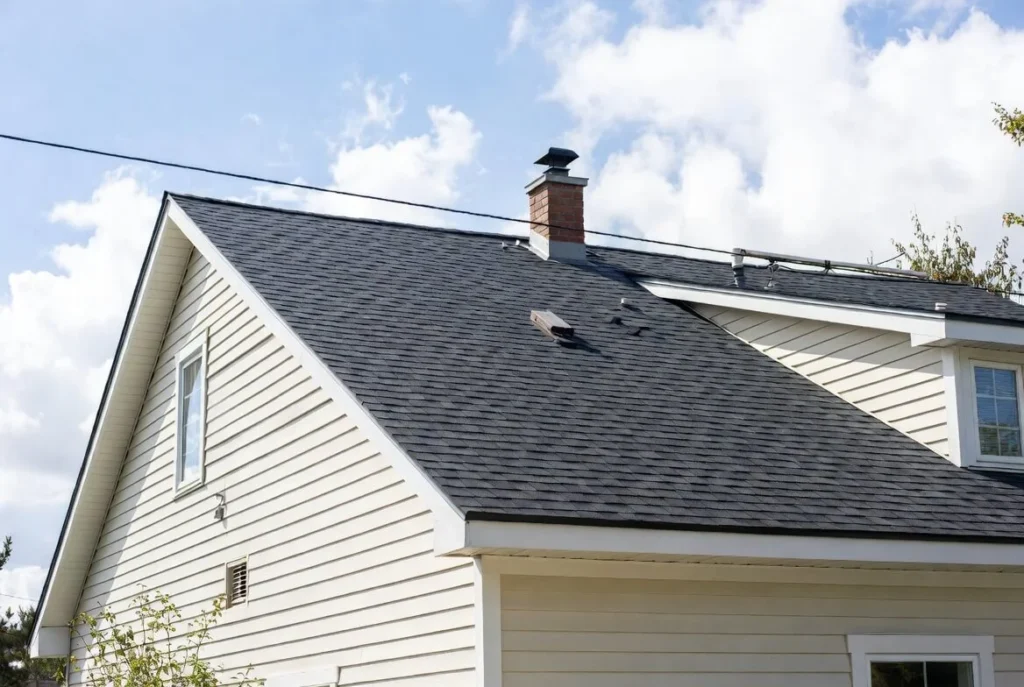
Even the best-constructed gable roof requires regular inspection and occasional repairs. Here’s what to watch for:
- Annual inspection: Inspect shingles, flashing, and seals at least twice a year (spring and fall)
- Gutters: Keep gutters clear of debris — blocked gutters cause water to back up under shingles
- Gable vents: Check gable end vents for blockage, pest entry, or damage
- Valleys: Inspect valley flashing on cross gable roofs after every major storm
- Attic inspection: Look for dark staining or sagging — signs of moisture penetration
- Fascia/soffit: Check fascia and soffit for rot or separation
Signs You Need Immediate Roof Repair
|
The Bottom Line on Gable Roofs
Gable roofs deliver cost-effectiveness, excellent drainage, maximum attic space, and easy ventilation. If budget matters and you’re not in a hurricane zone, they’re hard to beat.
The gable roof design offers flexibility too—from standard to Dutch gable roof to cross-gable configurations, you can match almost any architectural style.
Just respect the wind limitations. Proper bracing and reasonable overhangs make the difference between a roof that lasts decades and one that fails in the first major storm.
At Rainy Roofers, we help homeowners choose the right roof style for their climate, budget, and goals. Contact us for a consultation, and we’ll make sure your gabled roof is built to perform.