
16 standing seam metal roof panels represent the pinnacle of modern roofing technology, combining exceptional durability with sleek architectural aesthetics. These concealed fastener systems feature interlocking vertical seams that create weathertight barriers while delivering contemporary curb appeal.
When searching for standing seam metal roof panels for sale, property owners discover superior leak protection, wind resistance, and versatility for both residential and commercial applications. With lifespans typically ranging 40-70+ years, these premium roofing systems offer exceptional long-term value through reduced maintenance costs and energy efficiency benefits.
Whether you’re considering snap-lock panels, mechanically seamed systems, or batten configurations, understanding the nuances of 16 standing seam metal roof panels is essential for making informed roofing decisions that protect your investment for decades.
Understanding Standing Seam Metal Roofing Systems
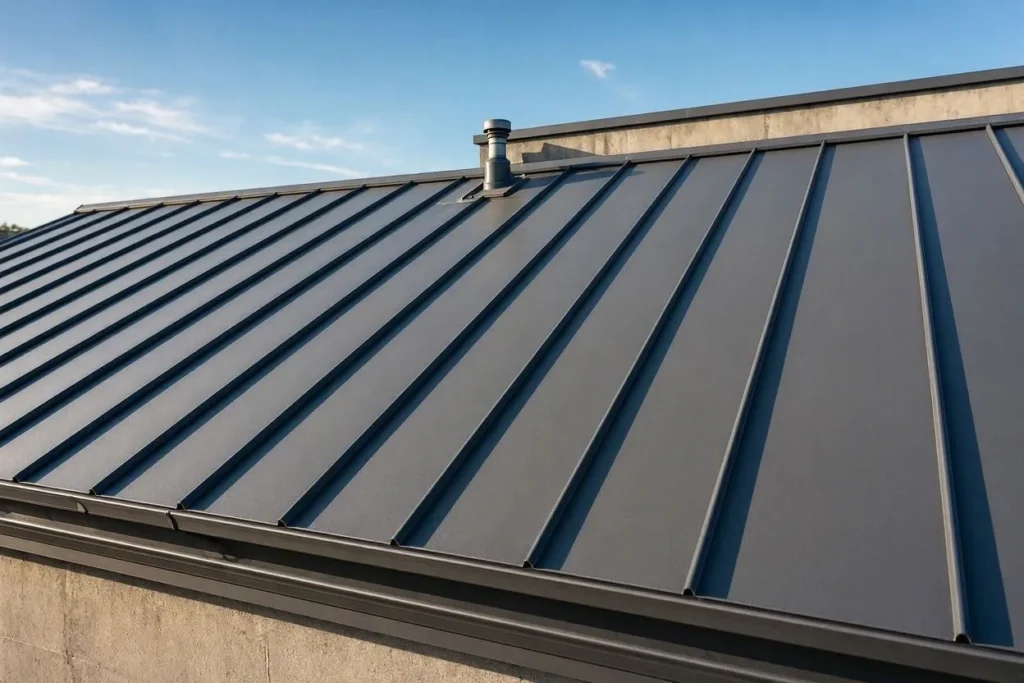
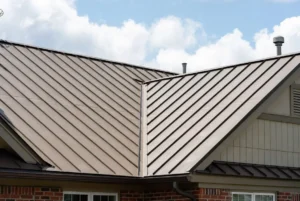
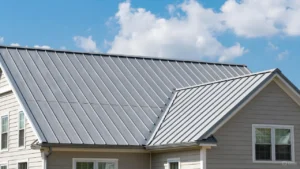
Standing seam metal roofing is defined as a concealed fastener metal panel system that features vertical legs and a broad, flat area between the two legs. The fundamental design principle centers on raised seams that elevate above the panel’s flat surface, creating distinctive architectural lines while ensuring superior weather protection.
The concealed fastener methodology distinguishes standing seam systems from exposed fastener alternatives. Because fasteners aren’t visible, this design helps prevent leaks and makes the roof last longer. The hidden attachment points eliminate potential water infiltration pathways while accommodating thermal expansion and contraction movements.
Types of Standing Seam Panel Systems
Snap-Lock Standing Seam Panels
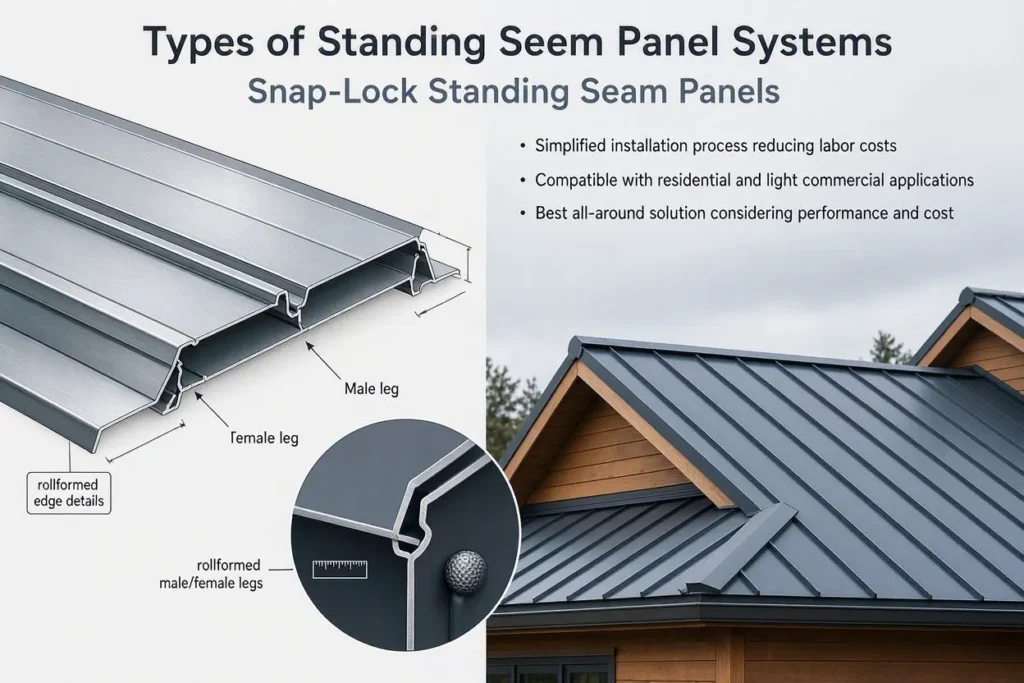
Snap-lock profiles consist of panels that have been carefully rollformed with specifically shaped edges, a male and female leg, that snap together and do not require hand or mechanical seaming during installation. These systems offer several advantages:
- Simplified installation process reducing labor costs
- Compatible with residential and light commercial applications
- Best all-around solution considering performance, cost, and installation ease
- Suitable for DIY-inclined property owners with proper preparation
Mechanically Seamed Systems
This is the most weather-tight style of standing seam metal roofing, ideal for very low sloped roofs with a pitch as low as .5″ to 1″:12″. Mechanical seaming involves:
- Field-crimping panel edges using specialized seaming equipment
- Superior water resistance for challenging slope conditions
- Hydrostatic performance, meaning they can keep buildings watertight even when submerged underwater for brief periods
- Professional installation requirements due to complexity
Batten Panel Configurations
Batten panels use a cap to cover where two panels meet, giving your roof a different look compared to other types. These systems provide:
- Distinctive architectural aesthetic with pronounced shadow lines
- Enhanced visual depth and dimensional appearance
- Removable panel capabilities for maintenance access
- Premium pricing reflecting specialized manufacturing
Panel Dimensions and Specifications
| Panel Width | Seam Height | Typical Applications | Slope Requirements |
| 12 inches | 1-2 inches | Residential, Small Commercial | 3:12 minimum |
| 16 inches | 1.5-2 inches | Residential, Commercial | 2:12 minimum |
| 18 inches | 2-3 inches | Commercial, Industrial | 1:12 minimum |
| 24 inches | 2-3 inches | Large Commercial, Warehouses | 0.25:12 minimum |
The 16-inch width represents the most popular configuration for 16 standing seam metal roof panels, offering optimal coverage while maintaining structural integrity across diverse applications.
McElroy Metal offers five distinct standing seam systems that can be curved on the job site, lowering transportation costs and ensuring a proper fit. Panel lengths can extend up to 40 feet, minimizing horizontal seams and enhancing weather resistance.
Material Options and Substrate Choices
Steel Standing Seam Panels
Steel remains the dominant metal type in the market, offering exceptional strength-to-weight ratios and cost-effectiveness:
- Galvanized steel with zinc coating for corrosion resistance
- Galvalume steel combining aluminum and zinc protection
- 22-gauge, 24-gauge, and 26-gauge thickness options
- Superior structural performance in high-wind regions
Aluminum Standing Seam Systems
Aluminum panels provide lightweight alternatives with natural corrosion resistance:
- Ideal for coastal environments with salt air exposure
- Lower thermal expansion coefficients reducing panel stress
- Recyclable content supporting sustainable building practices
- Premium pricing reflecting material and processing costs
Copper and Specialty Metals
It’s much less expensive to use Galvalume or aluminum coated in a PVDF or SMP paint system with a color similar to a metal tone than the actual metal. However, genuine copper systems offer:
- Natural patina development creating unique aesthetic evolution
- Exceptional longevity exceeding 100 years in optimal conditions
- Historic restoration and high-end architectural applications
- Significant upfront investment requirements
Color Trends and Aesthetic Considerations
2025-2026 Popular Color Selections
Color trends in 2026 include Dark Bronze, Medium Bronze, Charcoal Gray, and Matte Black. Current preferences reflect:
- Earth Tones: Medium Bronze, Burnished Slate, Coffee Brown
- Contemporary Neutrals: Charcoal Gray, Slate Gray, True Black
- Classic Options: Bright White, Bone White, Polar White
- Accent Colors: Evergreen, Colonial Red, Deep Blue
Solar Reflectance and Energy Performance
Darker colors like Dark Bronze and Medium Bronze have low Solar Reflective Index (SRI) numbers, which affect how much heat the roofing system will absorb and emit. Energy-efficient color selections include:
- Light colors reflecting solar radiation and reducing cooling loads
- Cool roof certification meeting ENERGY STAR requirements
- Thermal emittance properties minimizing heat island effects
- PVDF and SMP coating systems maintaining color stability
Installation Considerations and Requirements
Slope and Structural Requirements
Standing seam systems are typically used on lower sloped roofs, often down to ¼:12. Critical installation factors include:
- Minimum Slope Requirements: Vary by panel type and seaming method
- Structural Loading: Snow, wind, and seismic considerations
- Thermal Movement: Expansion joint placement and clip selection
- Underlayment Systems: Weather-resistant barriers and ice protection
Professional vs. DIY Installation
When purchasing 16 standing seam metal roof panels, installation complexity varies significantly based on system type. Mechanically seamed panels are difficult to install and rarely installed by DIY roofers. Installation complexity varies:
- Snap-lock systems: More accessible for experienced DIY installers
- Mechanically seamed: Requires specialized equipment and expertise
- Warranty considerations: Professional installation often mandatory
- Code compliance: Permits and inspections typically required
Performance Benefits and Advantages
Longevity and Durability
You should get at least 30 years out of your standing seam metal roof as long as it’s properly installed and your attic is adequately ventilated. Under ideal conditions, it could even last up to 50 years. Performance advantages include:
- Superior wind resistance with tested uplift ratings
- Fire resistance and non-combustible classification
- Hail resistance protecting against impact damage
- Low maintenance requirements over service life
Weather Protection Capabilities
The design helps keep water out and gives the roof a neat, clean look. Weather performance features:
- Concealed fasteners eliminating penetration points
- Thermal movement accommodation preventing panel stress
- Snow shedding capabilities reducing structural loading
- Ice dam resistance in cold climate applications
Common Challenges and Limitations
Acoustic Considerations
Unfortunately, there’s an echo when rain hits a standing seam metal roof. Solid roof decking dulls the echo because the wood between the metal panels and your ceiling helps absorb some noise. Noise mitigation strategies include:
- Sound-dampening insulation installation
- Solid sheathing rather than skip sheathing
- Mass-loaded vinyl barriers for enhanced sound control
- Strategic attic insulation placement
Oil Canning Phenomenon
Oil canning occurs when installers fasten the standing seam metal panels too tightly together, leading to a “bubbling” look that eventually turns into a wavy appearance. Prevention methods:
- Proper clip spacing and attachment procedures
- Adequate thermal expansion allowances
- Quality control during manufacturing and installation
- Panel thickness selection appropriate for span conditions
Cost Analysis and Investment Considerations
When evaluating 16 standing seam metal roof panels pricing, multiple factors influence total investment requirements including material grade, coating systems, and installation complexity.
| System Type | Material Cost/Sq Ft | Installation Cost/Sq Ft | Total Investment Range |
| Snap-Lock Steel | $3-6 | $4-8 | $7-14 per sq ft |
| Mechanically Seamed | $4-8 | $6-12 | $10-20 per sq ft |
| Aluminum Systems | $5-10 | $5-10 | $10-20 per sq ft |
| Premium Copper | $8-15 | $8-15 | $16-30 per sq ft |
Although they cost more upfront, they save money over time due to low maintenance and resistance to corrosion. Long-term value propositions include energy savings, insurance premium reductions, and enhanced property values.
Leading Manufacturers and Product Lines
Industry-Leading Brands
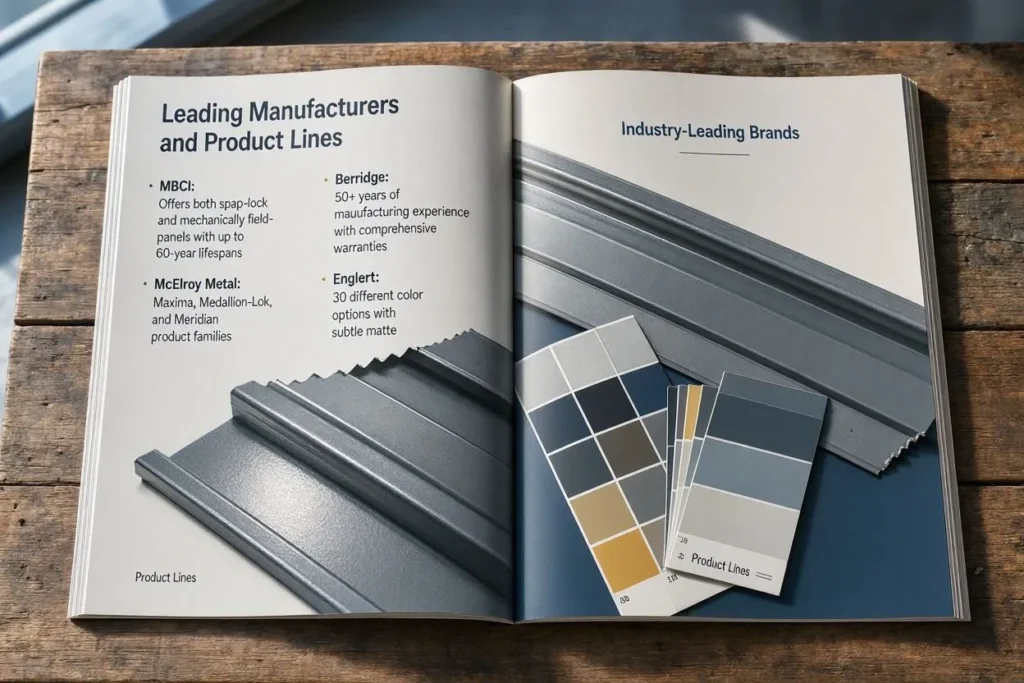
Top manufacturers include Berridge, MBCI, Englert, McElroy Metal, and Sheffield Metals. Each offers distinct advantages:
- MBCI: Offers both snap-lock and mechanically field-seamed panels with up to 60-year lifespans
- McElroy Metal: Maxima, Medallion-Lok, and Meridian product families
- Berridge: 50+ years of manufacturing experience with comprehensive warranties
- Englert: 30 different color options with subtle matte finishes
Conclusion
Premium 16 standing seam metal roof panels represent the optimal convergence of engineering excellence, aesthetic sophistication, and long-term value creation. When evaluating standing seam metal roof panels for sale, discerning property owners recognize these systems deliver unparalleled weather protection, energy efficiency, and architectural distinction that significantly outweigh initial investment costs. With proper material selection, professional installation, and appropriate maintenance protocols, 16 standing seam metal roof panels provide decades of reliable performance while enhancing property values through superior durability, reduced maintenance requirements, and contemporary curb appeal.