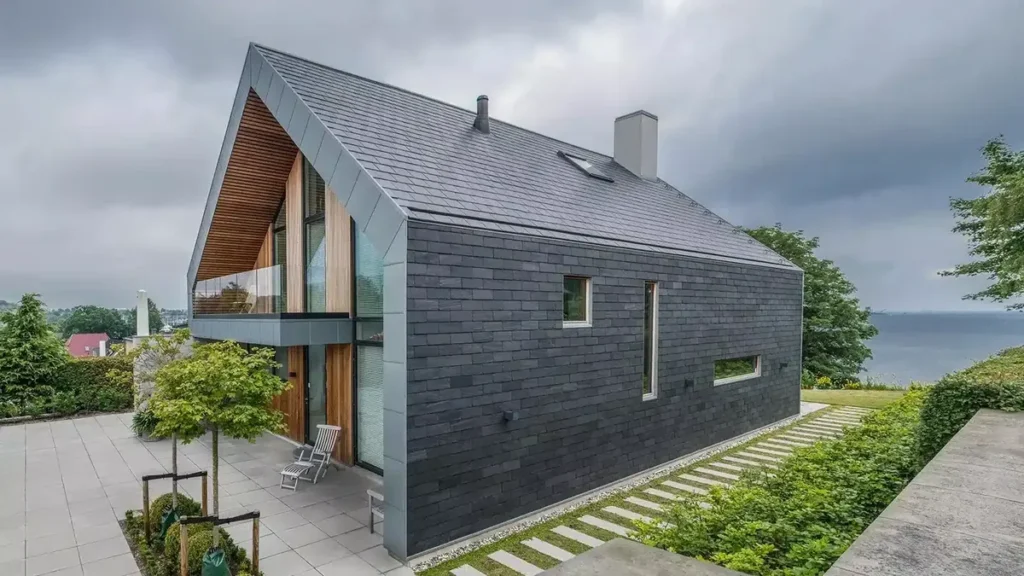
Black roof tiles are dark concrete, clay, natural slate or slate-effect coverings that give UK homes a crisp, modern finish. On a full house roof, black concrete is usually the lowest-cost option, though clay and natural slate hold their dark colour longest. Painting existing tiles is possible but risky. Conservation areas can also restrict a colour change.
Key Takeaways
- Black roof tiles are made in concrete, clay, natural slate, fibre cement and bitumen felt, and each material ages differently.
- Black concrete roof tiles are usually the most affordable choice for a full house roof in the UK.
- Kiln-fired clay tiles and natural slate keep a dark colour longer than surface-coloured concrete tiles.
- You can paint concrete roof tiles black, but coatings can trap moisture, void warranties and concern surveyors.
- Conservation areas, listed buildings and Article 4 directions can restrict a change to a black roof.
- Hire a roofer who works to British Standard BS 5534 and belongs to the National Federation of Roofing Contractors (NFRC) or TrustMark.
What Are Black Roof Tiles?
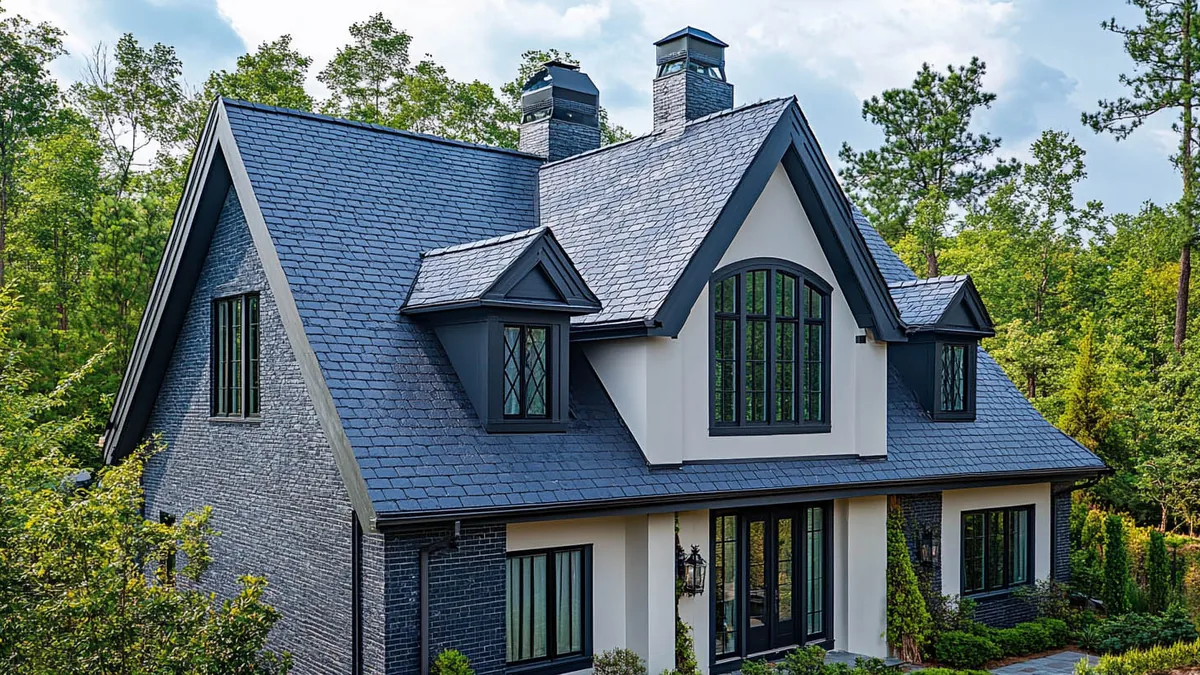
Black roof tiles are a pitched roof covering made in black or near-black colourways that sheds rain, resists wind uplift and protects the structure below. Marley, Redland, Russell Roof Tiles and Sandtoft all make dark concrete and clay ranges for the UK market, and each one names its colours differently. Look for anthracite or smooth grey too.
A black tile roof suits new builds and contemporary extensions best. It’s a flexible colour. Renovations aiming for a sharper exterior often choose one too, and dark tiles pair easily with grey or black window frames, white render, timber cladding and dark rainwater goods.
Finish matters as much as colour. Smooth tiles give a flat, slate-like appearance, while granular ones add texture and do a better job of hiding dirt and lichen.
Black roofing tiles have matching fittings. Ridge tiles, hip tiles, valley tiles and dry verge units are all sold in black, which lets the whole roof read as one continuous surface.
House Roofs, Garden Buildings and Model Tiles
A search for black roof tiles turns up three unrelated product groups, and it’s worth knowing which one you actually need before buying anything. Only one covers houses.
This table separates the three product groups that share the same search term.
| Product Group | Typical Materials | Main Buyers | Where Sold |
|---|---|---|---|
| House roof tiles | Concrete, clay, slate, fibre cement | Homeowners, self-builders and roofers | Builders and roofing merchants |
| Garden building tiles | Bitumen felt shingles, bitumen sheets | Shed and log cabin owners | DIY retailers and online marketplaces |
| Model roof tiles | Card, plastic or resin miniatures | Model makers and dolls house hobbyists | Hobby and craft retailers |
Model tiles are craft products with no weatherproofing role, so building rules and roofing standards don’t apply to them at all. That leaves two groups. This guide covers house roofs first, then moves on to sheds and garden buildings.
Which Black Roof Tile Material Is Best?
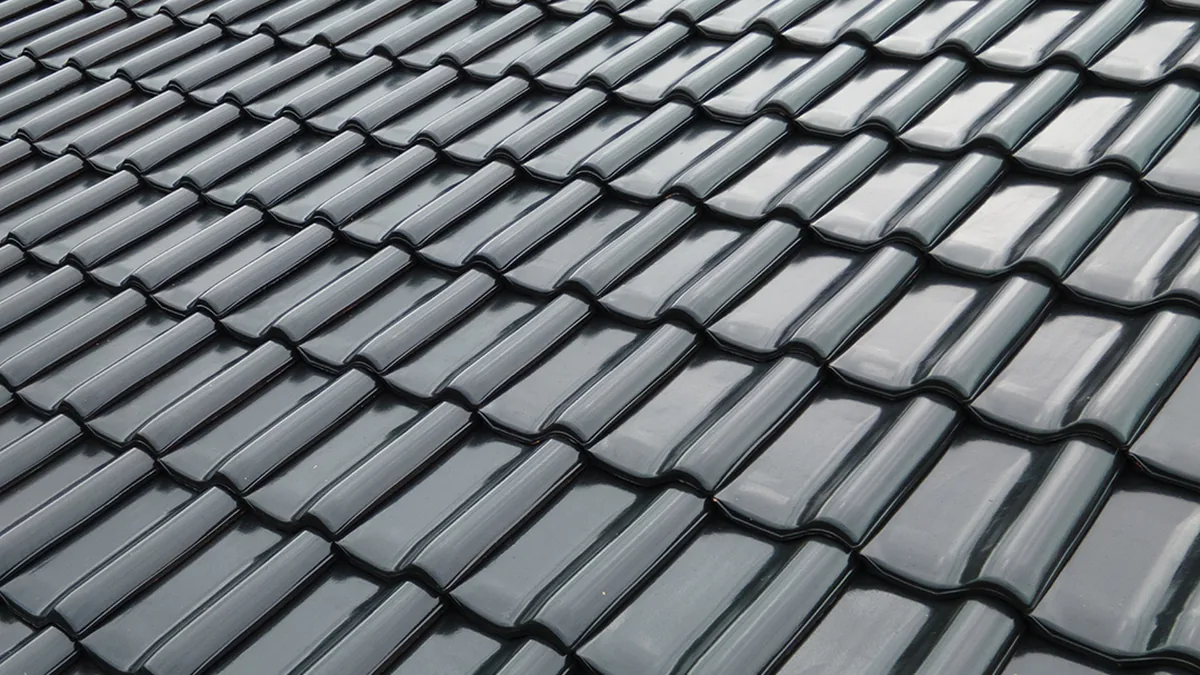
Black clay tiles and natural slate are the best materials for long-lasting black colour, while black concrete roof tiles give the best value for most UK house roofs. Fibre cement slates offer a lighter, budget slate look. Felt is different. Bitumen felt shingles belong on sheds and garden rooms, though, and a main house roof calls for one of the heavier tile or slate options instead.
This table compares the main black roofing materials on cost, weight, colour retention and typical use.
| Material | Relative Cost | Weight | Colour Retention | Best For |
|---|---|---|---|---|
| Black concrete tiles | Low | Heavy | Surface can lighten with weathering | New builds and budget re-roofs |
| Black clay tiles | Moderate to high | Heavy | Fired colour, highly colourfast | Premium and long-term projects |
| Natural slate | Moderate to high | Medium | Natural colour, very stable | Period homes and slate regions |
| Fibre cement slates | Low to moderate | Light | Coating can lighten over time | Budget slate look |
| Bitumen felt shingles | Lowest | Very light | Mineral granules can shed | Sheds, cabins and garden rooms |
Weight matters on a re-roof. Swapping a light covering for heavier concrete or clay can overload the existing rafters, so ask a roofer or structural engineer to check the timbers before any change of material.
Pitch is the other check. Each tile carries a minimum roof pitch set by its manufacturer, and BS 5534 guidance on headlap and tile gauge applies on top of that.
Black Concrete Roof Tiles
Black concrete roof tiles are pressed from a sand and cement mix with pigment added into interlocking or plain profiles. Interlocking ones are big. Fewer tiles and fewer fixings go on each square metre, and that keeps labour time down.
Concrete roof tiles sold in the UK should conform to BS EN 490, the European product standard for concrete roofing tiles and fittings. Before ordering, check the product data sheet. BS EN 490 should be listed there.
Two things give black concrete tiles their colour: pigment in the mix and a surface coating. Weather wears that coating away. Rain and frost play a part, and years of ultraviolet (UV) light do the rest, which is why some older dark concrete roofs now look mid-grey.
Black Clay Tiles
Black clay tiles are fired in a kiln, which locks the colour into the clay body itself or into a fired surface layer called an engobe. The heat sets it. Fired colour is highly colourfast and resists UV fading far better than any surface coating.
Clay roof tiles conform to BS EN 1304. Plain clay tiles are small and double-lapped, so each square metre takes more tiles and more battens than an interlocking roof would. They need a steeper pitch, too.
Natural Slate and Slate-Effect Tiles
Natural slate is split stone with a naturally dark face, and it’s the traditional black roofing material across much of the UK. Testing follows BS EN 12326. That standard covers properties such as water absorption and minerals that can cause staining.
Slate-effect concrete tiles and fibre cement slates copy the look for less money, and they’re quicker to lay as well. Colour is the trade-off. Neither matches natural slate for colour stability.
Are Concrete or Clay Tiles Better for a Black Roof?
Clay tiles are better for colour retention and long service life, while concrete tiles are better for budget, installation speed and lower-pitch roofs. Pick black clay tiles for a premium or heritage-sensitive home. Budget changes things. On a new build or extension, black concrete tiles are the stronger choice, and the same goes for any re-roof where cost leads the decision.
This table compares black concrete and black clay tiles on five buying factors.
| Factor | Black Concrete Tiles | Black Clay Tiles |
|---|---|---|
| Upfront price | Lower | Higher |
| Colour retention | Surface can lighten | Fired colour stays stable |
| Low-pitch suitability | Many interlocking profiles suit lower pitches | Plain tiles need steeper pitches |
| Installation speed | Faster with large interlocking tiles | Slower with small plain tiles |
| Heritage fit | Suits modern homes | Suits period homes and conservation areas |
For a low-pitch roof, interlocking concrete tiles are usually the safer choice. Clay isn’t ruled out, though. Some interlocking clay tiles suit lower pitches as well, so compare the minimum pitch on each manufacturer’s data sheet against the measured pitch of your roof.
How Much Do Black Roof Tiles Cost?
The cost of black roof tiles depends mainly on the material, the size of the roof and the labour involved, not on the black colourway. No verified UK price figure is available here, because roof tiles price lists change with manufacturer, merchant, region and order volume. Prices move. Get current figures from merchants and written quotes from roofers.
Builders merchants and specialist roofing merchants publish live prices per tile and per pack. Budget from those. Your roofer should then confirm the quantity, allowing for cuts and breakages as well as the fittings the roof needs.
What Drives the Cost of Roof Tiles
This table lists the main factors that change the cost of a black tile roof.
| Cost Factor | Effect on Price |
|---|---|
| Tile material | Clay and natural slate cost more than concrete |
| Tile size | Small plain tiles need more tiles and labour |
| Roof shape | Hips, valleys and dormers add cutting time |
| Scaffolding | Needed for most house re-roofs, priced separately |
| Battens and membrane | Full re-roofs replace both |
| Ridge, hip and verge fittings | Matching black fittings and dry fix kits add cost |
| Access and location | Tight sites and regional labour rates vary |
| Waste removal | Old tiles need skips and licensed disposal |
What Adds Most to a Re-Roof Quote
Labour and scaffolding are major cost lines on any full re-roof, and on complex roofs they can exceed the price of the tiles. Shape matters. A simple gable costs less to cover than a dormered roof of the same area, and hips and valleys add cutting time as well.
Hidden repairs also move the final bill. Rotten rafters, damaged fascias, failed lead flashings and chimney repairs often only come to light once the old tiles are stripped off.
Building Regulations can add cost too. A full re-roof may require upgraded insulation, and that adds materials and labour on top of the roofing work itself.
Ask every roofer to itemise tiles, fittings, battens, breathable roof membrane, scaffolding, labour and waste. Then compare line by line. A gap in one quote usually means that contractor has left something out, and it’s far easier to spot on an itemised breakdown.
Can You Paint Roof Tiles Black?
Yes, you can paint concrete roof tiles black with a specialist breathable roof coating, but painting is a cosmetic fix that carries real risks. A coating can trap moisture, void the manufacturer warranty and hide defects from surveyors, and in protected areas the work needs consent first. Leave clay tiles and natural slate unpainted.
Black roof tile paint won’t repair a cracked tile, and it does nothing at all for porous or slipped ones either. It only changes colour. The roof underneath has to be sound before any work starts.
Risks of Black Roof Tile Paint
Moisture comes first. Concrete tiles absorb and release water, and a coating that doesn’t breathe can trap moisture that freezes in winter and damages the tile surface.
Then there’s the warranty. Tile manufacturers guarantee their products as supplied, which means a third-party coating applied on top of them can void that guarantee entirely.
Selling the house brings its own problem. A coating can hide cracks and slipped tiles as well as failed fixings, so a surveyor acting for a buyer or lender may flag a coated roof and recommend a specialist inspection.
Paint also wears. On an exposed roof it needs recoating over time, and each recoat means paying for access to the roof all over again.
Last is safety. Roof work needs scaffolding or edge protection, and anyone spraying a roof from a ladder is exposed to the risk of a serious fall.
How to Prepare Before Painting Roof Tiles
Follow these steps before any coating goes on a roof.
- Commission a roof survey to confirm the tiles, battens and membrane are sound.
- Identify the tile material, because only concrete tiles suit a roof coating.
- Read the tile manufacturer’s warranty terms and ask about coatings in writing.
- Check with the local planning authority if the home is in a conservation area, is listed or is covered by an Article 4 direction.
- Clean off moss and lichen, then let the tiles dry fully before coating.
- Replace cracked or slipped tiles and refix loose ridge tiles before any coating goes on.
- Hire a contractor who uses scaffolding and a breathable coating made for concrete roof tiles.
Painting vs Replacing Your Tiles
This table compares painting existing tiles with replacing them with new black roof tiles.
| Option | Upfront Cost | Lifespan of Finish | Main Risk |
|---|---|---|---|
| Paint existing concrete tiles | Lower | Needs periodic recoating | Trapped moisture and survey concerns |
| Replace with black concrete tiles | Moderate | Long, with manufacturer guarantee | Higher initial outlay |
| Replace with black clay or slate | Highest | Longest colour retention | Weight and cost |
Replacement is the stronger choice when tiles are porous or cracked, and it’s the obvious route for a roof near the end of its life. Painting has a narrow role. It only makes sense on a sound concrete roof where the goal is purely cosmetic.
Do Black Roof Tiles Fade?
Yes, some black roof tiles fade, but the amount depends on how the colour is made. Surface-coloured concrete tiles can lighten as weathering wears the coating, while kiln-fired clay tiles and natural slate hold their dark colour far longer. Texture helps too. Granular finishes disguise wear better than smooth ones.
UV light, rain, frost and wind-blown grit all wear steadily away at the surface of a roof year after year. Aspect matters. South-facing slopes take the most sunlight, so fading often shows up there first.
Growth is the other issue. Moss and pale lichen stand out sharply against dark tiles, especially on shaded north-facing slopes in the damper parts of the UK.
Efflorescence and White Marks on Black Tiles
Efflorescence is a white bloom of salts that can appear on new concrete tiles as moisture draws lime to the surface. Black concrete roof tiles show it clearly.
The bloom is cosmetic, not structural. Rain normally washes it away over time, so skip harsh cleaning or pressure washing, both of which can damage the tile finish.
Are Black Roof Tiles Hotter?
Yes, black roof tiles absorb more solar heat than lighter tiles, but the effect on UK homes is small when the loft is well insulated and ventilated. Two things help. Insulation at ceiling or rafter level slows heat moving down into the rooms, while roof ventilation carries warm air out of the void.
No verified UK figure for the temperature difference between black and light tile roofs is available here. Summer is when it shows. During heatwaves, rooms in the roof such as loft conversions notice the effect far more than the floors below them.
Insulation offsets most heat gain. When you plan a re-roof, check that insulation depth meets current Building Regulations and that the eaves and ridge ventilation are clear.
Winter brings a small upside. Dark roofs help snow and frost clear slightly faster, which is useful in the cool UK climate through the colder months.
Do You Need Planning Permission for Black Roof Tiles?
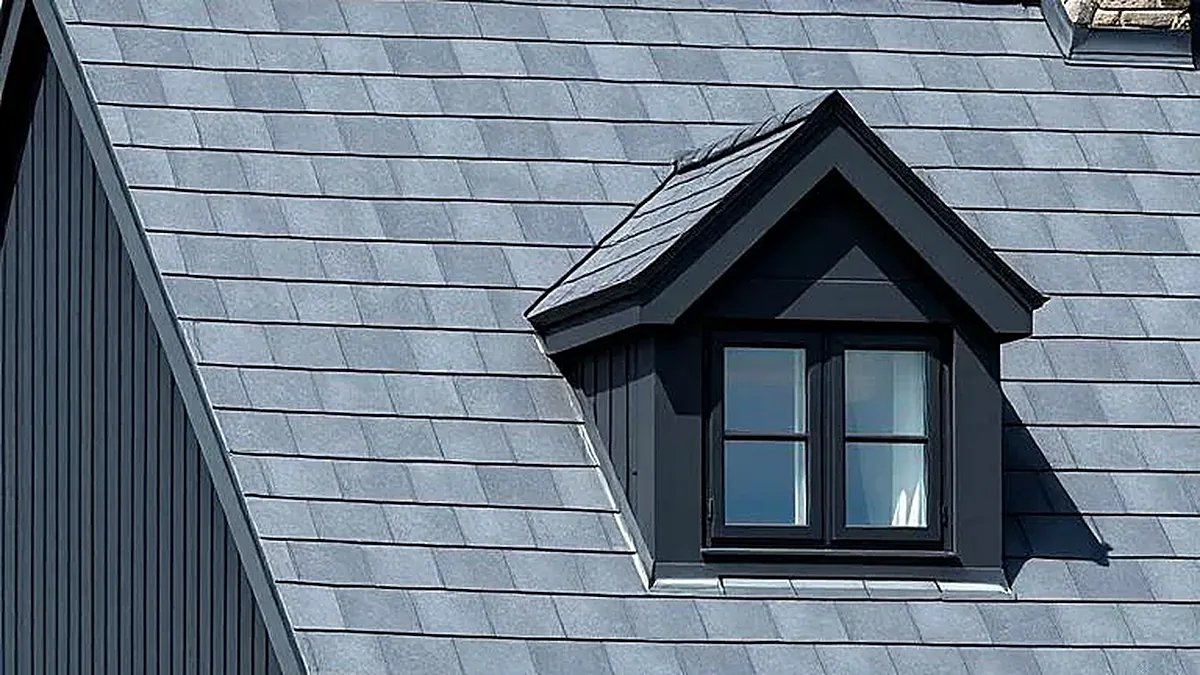
No, most houses in England can be re-roofed in black tiles without planning permission under permitted development rights. Permission or consent is needed in conservation areas with Article 4 directions, for listed buildings, for flats and maisonettes, and where a roof changes shape or height. Check with your local planning authority first.
Outside England the permitted development rules differ, so check what applies in your own nation before you order a single tile. The Planning Portal covers England and Wales.
Conservation Areas and Article 4 Directions
Conservation areas protect a neighbourhood’s character. Roof colour and material are part of it. On a historic street, swapping red clay or natural slate for black concrete tiles can harm the look of the whole row.
An Article 4 direction removes permitted development rights for specific changes. Check what it covers. Where a direction applies to roofs, any change of roof material or colour needs planning permission before the work can begin.
Listed Buildings
Listed building consent is required for any change to the roof of a listed building that affects its character, including new tile colours or materials. The penalty side is serious. Carrying out unauthorised work to a listed building is a criminal offence.
Like-for-like natural materials are usually expected. Speak to the local authority conservation officer before you choose any tiles, and read the Historic England guidance on roof repair.
Building Regulations and BS 5534
Re-roofing in England falls under Building Regulations once the work replaces more than 25% of the roof covering. Two checks follow. The job has to meet thermal requirements, and if the new covering is heavier, it needs a structural check as well.
A roofer registered with a competent person scheme such as Competent Roofer can self-certify compliant work without a separate building control application. No scheme? Notify your local authority building control before work starts.
BS 5534 is the British Standard code of practice for slating and tiling. Its scope is wide. Fixing specifications, wind uplift, battens and underlay all fall under it, and the current version requires mechanical fixing for tiles, with ridges and hips also fixed mechanically rather than with mortar alone.
What Colour Ridge Tiles Suit a Black Roof?
Black ridge tiles suit a black roof best because matching ridges, hips and verges create a clean, continuous finish. Contrasting ridges in red or grey suit only traditional styles. Modern homes go the other way. Most black tile roof houses built in a modern style use matching black fittings throughout, so nothing breaks up the dark surface.
This table compares common ridge and edge options for a black tile roof.
| Fitting Option | Appearance | Fixing Method | Best For |
|---|---|---|---|
| Black ridge tiles, mortar bedded | Traditional | Mortar plus mechanical fixings | Period-style homes |
| Black dry ridge system | Clean, minimal | Mechanical, no mortar | Modern homes and new builds |
| Black dry verge units | Neat gable edge | Clipped to battens | Gable ends |
| Contrasting ridge tiles | Defined roof line | Mortar or dry fix | Traditional streets |
Dry ridge and dry verge systems remove the mortar that can crack and stain dark tiles over time, and that alone makes them worth considering. Match matters as well. Pick fittings from the same manufacturer as the tiles so the colour and profile line up.
Black Roof Tiles for Sheds and Garden Buildings
Black bitumen felt shingles are the most common black roof tiles for sheds, log cabins and garden rooms. Felt shingles are light and cheap. Laying them on a timber deck is straightforward, which suits garden structures that can’t carry the weight of concrete or clay tiles.
You’ll find shed roof tiles at DIY retailers and garden building suppliers, and online marketplaces carry plenty more of them. Bitumen sheets are an option too. Onduline and similar brands make them, along with bitumen tiles for outbuildings.
Fit felt shingles on a solid deck of oriented strand board (OSB) or plywood with an underlay, and use clout nails as each manufacturer specifies. Check the pack, too. The minimum pitch is given there, and a shallower roof needs a different product.
Most garden buildings sit under permitted development, but height limits apply when a building goes up close to a boundary, so don’t assume you’re exempt. Check the Planning Portal rules for outbuildings first.
Are Black Felt Shingles Suitable for Houses?
No, black felt shingles aren’t a usual covering for UK house roofs. Tile and slate both outlast them. Felt is lighter and shorter-lived, and many mortgage lenders and surveyors expect a conventional tile or slate covering on the main house.
Garages and porches are a different story. Felt shingles suit them well, and garden rooms too, provided the product meets the roof pitch and the building isn’t in a protected area.
How to Choose an Installer for a Black Tile Roof
Choose a roofer who belongs to the NFRC or TrustMark, works to BS 5534 and offers an insurance-backed guarantee. Membership of a recognised scheme shows that the business has been vetted, and a guarantee protects you if the contractor stops trading. You want both.
Follow these steps to choose a roofer.
- Get at least three written, itemised quotes for the same specification.
- Check NFRC or TrustMark membership on the scheme’s own website.
- Confirm the roofer will fix tiles, ridges and hips to BS 5534.
- Ask whether the roofer is registered with Competent Roofer or will notify building control.
- Request proof of public liability insurance.
- View photos or addresses of previous black tile roof projects.
- Agree a written contract with stage payments rather than a large upfront deposit.
Frequently Asked Questions
How Long Do Concrete Roof Tiles Last?
Concrete roof tiles last many decades when they’re correctly fixed and maintained. Exact numbers vary. No verified lifespan figure is available here, so check the guarantee period on the manufacturer’s data sheet for your chosen tile.
Does Painting Roof Tiles Void the Manufacturer Warranty?
Yes, applying a third-party coating can void a tile manufacturer’s guarantee. Ask first. Put the question to the manufacturer in writing before any painting starts, and file the reply with your property documents.
Which Black Finish Holds Its Colour Longest?
Kiln-fired clay and natural slate hold black colour longest. The reason is simple. Their colour is part of the material, whereas many concrete tiles rely on a surface coating that wears away with time.
When Do Roof Tiles Need Replacing Rather Than Repairing?
Replace roof tiles when many are cracked, porous or delaminating, or when the battens and underlay underneath have already failed. A few breaks are different. Isolated broken tiles on a sound roof only need repair.
What Is the Best Black Roof Tile for a New Build?
Black interlocking concrete tiles suit most new builds on cost and speed. Higher budgets widen the choice. Choose black clay or natural slate where money allows, or where the local planning authority expects you to use traditional materials.
Conclusion
Black roof tiles will keep appearing on UK new builds and renovations as owners pair dark roofs with modern window frames and cladding. Choosing well is another matter. The right choice comes down to budget, colour retention, roof pitch and local planning rules.
Start with a roof survey and a planning check, then compare itemised quotes from vetted roofers before you commit to a single tile. Pick the material first, then the shade. A black roof chosen on material quality rather than colour alone will look sharp for decades.