I spent three hours researching this before replacing mine last year, and every source gave me different numbers. Some said 20 years. Others said 30. One guy told me his slate roof was 150 years old and still going strong.
The truth? It depends on way more than just age. And making the wrong call costs you thousands.
The Real Answer on How Often to Replace Roof
Most asphalt shingle roofs need replacing every 20-30 years. But that’s just the average. Your actual timeline depends on materials, climate, installation quality, and maintenance.
My neighbor replaced his roof at 18 years old. Mine made it to 27. We have identical houses on the same street. The difference? He never cleaned his gutters. I inspected mine twice a year and fixed small problems before they became big ones.
Here’s what actually determines your roof’s lifespan:
How Often Do Roofs Need to Be Replaced by Material
Different roofing materials have wildly different lifespans. This is the biggest factor in how often you replace a roof. 3-tab shingles last 15–20 years (cheapest option, shortest life), architectural shingles 25–30 years (most common, decent value), luxury shingles 30–40 years (premium asphalt, thicker), cedar shakes 20–30 years (beautiful but high maintenance), Metal roofing 40–70 years (expensive upfront, lasts forever), slate tiles 75–200 years (your grandkids won’t replace it), clay tiles 50–100 years (extremely durable), and composite shingles 40–50 years (synthetic, impact resistant).
I went with architectural shingles at 27 years old because my old 3-tab shingles were shot. If I’d spent more upfront on metal, I’d never replace it again — how often do metal roofs need to be replaced? Once. Maybe never, with proper installation. That’s the real difference in roof replacement frequency between cheap and premium materials. Cheap now means expensive later.
How Often Does a Roof Need to Be Replaced Based on Climate
Your climate can cut your roof’s lifespan in half. Or double it. I live in the Northeast where we get hammered with snow, ice, UV exposure, and extreme weather. My roof aged faster than my cousin’s in Oregon.
Harsh climate factors:
- High winds that rip off shingles
- Hail damage that cracks and dents
- Ice dams from snow buildup
- Constant sun baking the shingles
- Heavy rain saturating everything
My insurance inspector told me roofs in Florida last 15-20 years max because of hurricanes and relentless sun. Same shingles in mild climates? 30+ years easy. Weather isn’t negotiable. If you live somewhere brutal, plan to replace sooner.
Signs Your Roof Needs Replacing Before Its Time
Don’t wait until you hit the expected lifespan to check. Sometimes roofs fail early from poor installation or hidden damage.
Red flags I learned to watch for:
- Curling or missing shingles – Once they start lifting, water gets underneath
- Granules in gutters – Those little rocks protect your shingles; losing them means the end is near
- Water stains on ceilings – By the time you see this, you’ve got
- water damage inside
- Sagging sections – This is structural failure; call someone immediately
- Moss or mold growth – Means moisture is trapped where it shouldn’t be
- Daylight through attic boards – Holes equal leaks waiting to happen
I ignored nail pops for six months. Bad move. Water got under those shingles and rotted the plywood decking underneath. What I thought would be a $12,000 shingle job became $18,000 because of damaged decking replacement. Catch problems early. Regular inspections save massive money.
How Often Should You Replace Your Roof: The 80% Rule
Here’s what professional roofers won’t always tell you upfront: you’ll get about 80-85% of the rated lifespan out of most roofs.
25-year shingles? Expect 20-22 years realistically. 30-year shingles? Plan for 25-27 years. 40-year luxury shingles?You might hit 32-35 years.
I had 30-year architectural shingles installed in 1995. By 2022 (27 years), they were done. Not quite the 30 years promised, but close enough. The last 3-5 years of any roof’s life are borrowed time. You’re gambling every storm that this isn’t the one that causes a leak.
Proper Maintenance Extends How Often to Replace Roof
Want to push your roof to its maximum lifespan? Maintenance isn’t optional.
What actually works:
Clean gutters twice a year so water doesn’t back up under shingles Trim tree branches that scrape and damage the surface Check flashing around chimneys and vents annually Remove moss growth immediately (those roots penetrate and destroy) Ensure attic ventilation is adequate (heat and moisture kill roofs) Fix small problems before they become big leaks
My dad never touched his roof for 15 years. Replaced it at year 18 when it started leaking. Cost him $22,000. I spent $300 annually on roof maintenance. Made it to year 27. Saved probably $8,000 by maximizing the lifespan. Math isn’t hard here.
When Installation Quality Determines Replacement Timeline
A properly installed roof lasts decades. A sloppy job fails in 10-15 years even with premium materials.
I learned this watching my neighbor’s roof replacement horror story. He hired the cheapest contractor. They cut corners everywhere. Didn’t replace damaged decking. Reused old flashing. Nailed shingles wrong. Started leaking within 3 years.
His workmanship warranty? The company went out of business. He paid twice for the same roof. Reputable contractors cost more upfront. But their work means you actually get the full intended lifespan from your materials. Hire quality. Or pay twice.
The True Cost of Waiting Too Long
People ask me, “Can I stretch my roof for another few years?” Sure. If you like gambling with $20,000 in potential water damage. Here’s what happens when you wait too long:
Water infiltration spreads through your attic insulation Mold growth starts on rafters and decking Structural damage from rotting wood Interior ceiling stains and drywall replacement Potential electrical damage from water
My buddy waited until he had active leaks before replacing his roof. The roof cost $14,000. Fixing interior damage cost another $8,000. He “saved” two years by delaying. Cost him $8,000 extra. Don’t be that guy.
How Often Do You Need to Replace a Roof: Insurance Perspective
Your insurance company has opinions about roof age. And they enforce them. Many carriers won’t insure homes with roofs over 20 years old. Or they’ll drop you if yours hits 25 years without replacement. Florida homeowners get letters saying “replace your roof or we’re canceling your policy.” It’s happening nationwide now.
I replaced mine at 27 years partly because my insurance carrier was making noise. Better to do it on my timeline than theirs. Check your policy. Know the limits. Plan accordingly.
Premium Materials: Forever Roofs That Never Need Replacing
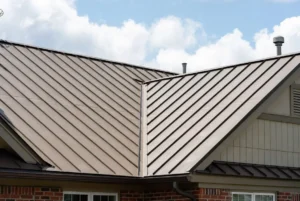
If you’re done with this replacement cycle, metal roofing or slate tiles are your answer.
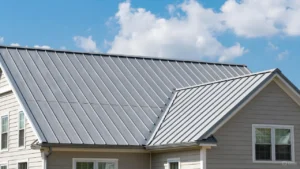
- Standing seam metal roof: 50+ years minimum, possibly 70
- Slate roof: 100-200 years (your great-grandkids deal with it)
- Clay tiles: 75-100 years
- Composite synthetic: 40-50 years
My neighbor spent $42,000 on a metal roof last year. Sounds insane until you realize he’ll never replace it again. I spent $16,200 on architectural shingles. I’ll replace it again in 25-30 years for probably $25,000+.
His total roofing cost for life: $42,000. Mine: $41,200+ already, with another replacement coming. Premium materials pay off if you’re staying long-term.
The Bottom Line on Roof Replacement Timing
How often should you replace your roof comes down to material choice, climate reality, installation quality, and maintenance commitment. Cheap 3-tab shingles in harsh weather? 15-20 years max. Premium metal roofing in a mild climate with maintenance? 70+ years.
Most homeowners with standard architectural shingles should plan for replacement around the 25-year mark. Start budgeting at year 20. Don’t wait for leaks. Don’t ignore warning signs. Don’t cheap out on contractors. Your roof protects everything else. Treat it that way.