You’re ready for a metal roof. You know it lasts longer than shingles. You know it looks better.
But then you start researching and realize there are dozens of options. Steel, aluminum, copper, zinc. Standing seam, corrugated, exposed fastener, hidden fastener.
Now you’re overwhelmed. Which one is actually right for your house? I’ve helped hundreds of homeowners navigate this exact confusion at Rainy Roofers. Let me break down every types of metal roofing so you can make a confident decision.
Understanding Metal Roofing Types: Panel Styles vs Materials
Here’s where most people get confused.
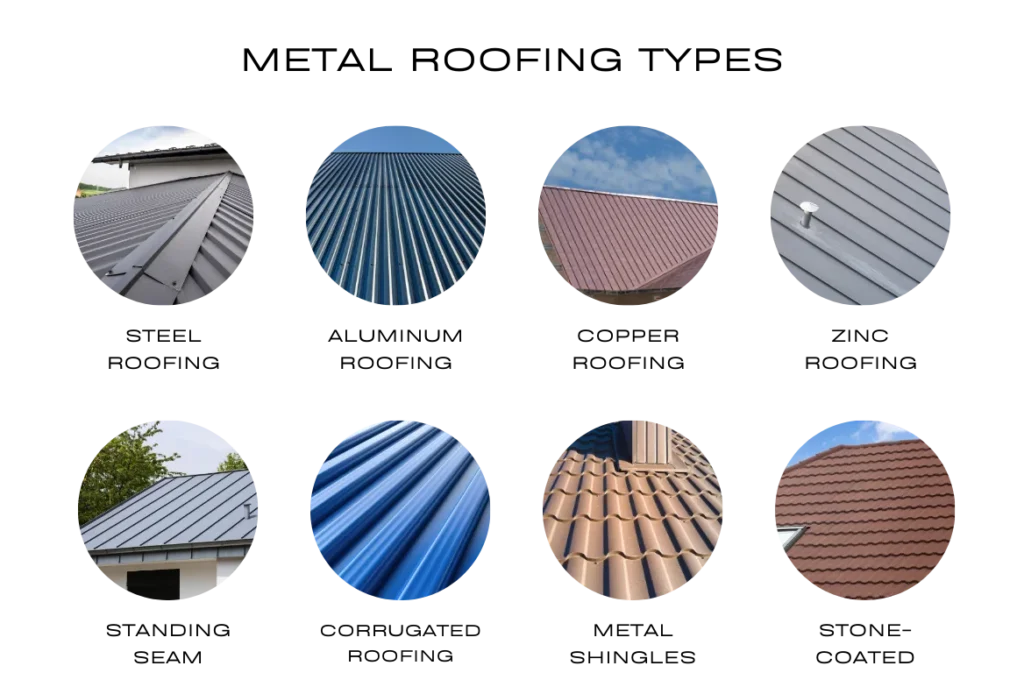
Metal roofing types fall into two categories: panel styles (how it looks and installs) and metal roof materials (what it’s made of).
You need to choose both. A standing seam metal roof can be steel or aluminum. Corrugated metal roofing can be galvanized or painted. Metal shingles can mimic asphalt or wood shake. Each combination delivers a different lifespan, cost per square foot, and performance level.
For residential metal roofing, this choice matters more than most homeowners realize. A 24-gauge steel roofing panel with PVDF coating on a standing seam system lasts 50+ years. A 29-gauge exposed fastener corrugated panel lasts 20–25 years. Same category completely different outcome.
Aluminum roofing, copper roofing, and zinc roofing add another layer of decision. Each has a specific climate, budget, and aesthetic where it wins.
Metal Roof Panel Styles
Standing Seam Metal Roofing
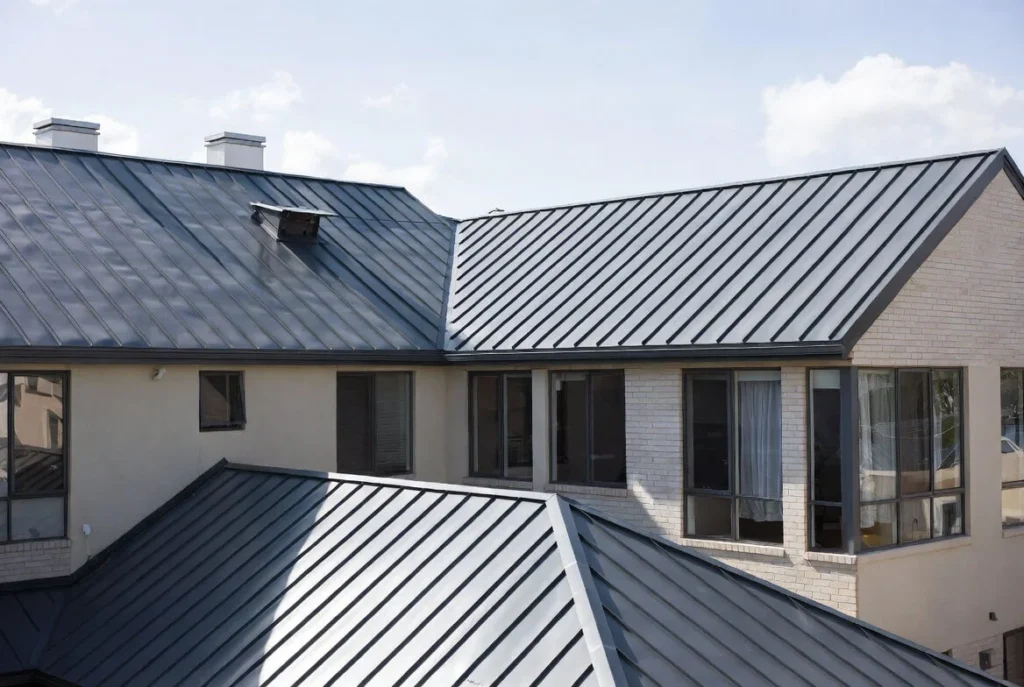
This is the gold standard for residential metal roofing.
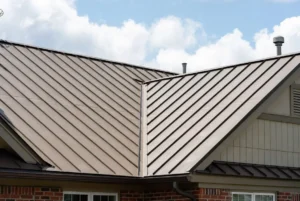
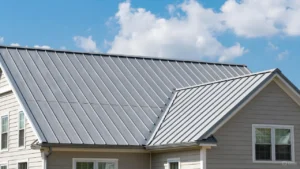
Standing seam panels run vertically with raised seams (ribs) that lock together. The fasteners hide underneath, so you get a clean, modern look with zero exposed screws.
Why standing seam wins:
- No exposed fasteners to fail or leak
- Panels expand and contract freely (thermal movement)
- Sleek contemporary appearance
- Virtually maintenance-free
- Can mount solar panels without penetrating roof
The downside? Cost. Standing seam runs roughly double the price of corrugated. But you’re getting a roof that can last 50+ years without replacing screws or chasing leaks.
If you’re putting metal over living space, standing seam is my recommendation every time.
Corrugated Metal Roofing
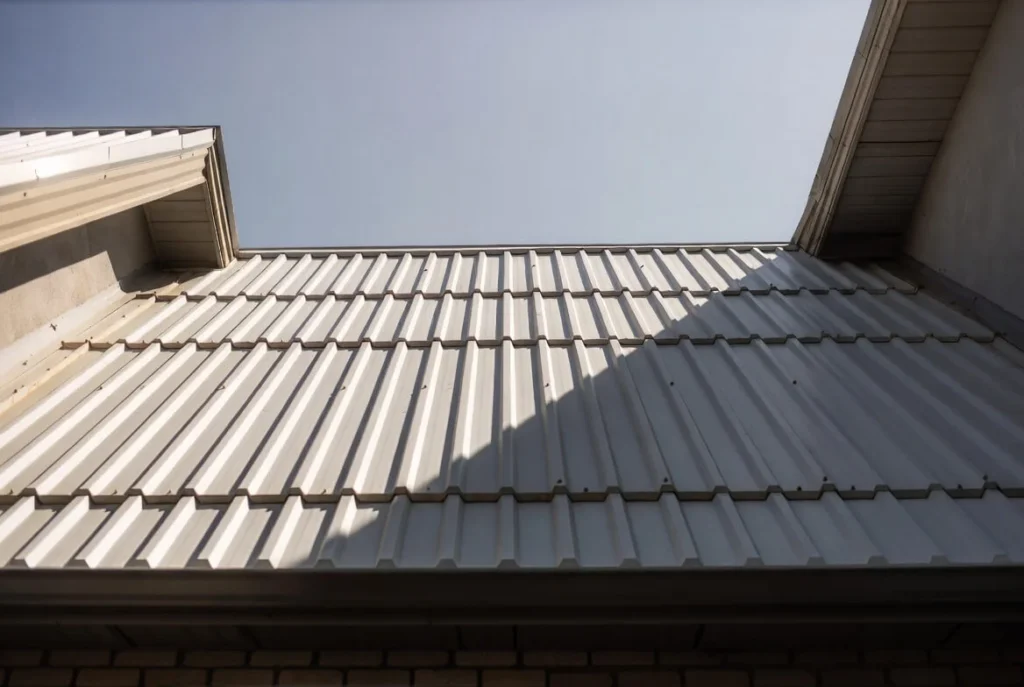
Corrugated panels have that classic wavy or ribbed pattern you’ve seen on barns and industrial buildings.
These are exposed fastener systems. The screws go directly through the metal into your decking, and those screw heads stay visible.
Corrugated advantages:
- Most affordable metal roofing option
- DIY-friendly installation
- Readily available at home improvement stores
- Works great for outbuildings
Corrugated drawbacks:
- Exposed fasteners eventually fail (plan on replacing every 10-15 years)
- Can’t expand/contract freely (creates stress on fasteners)
- More industrial appearance
I recommend corrugated for garages, sheds, barns, carports—anywhere that’s not heated living space. For your main house? Spend the extra money on standing seam.
Metal Shingles
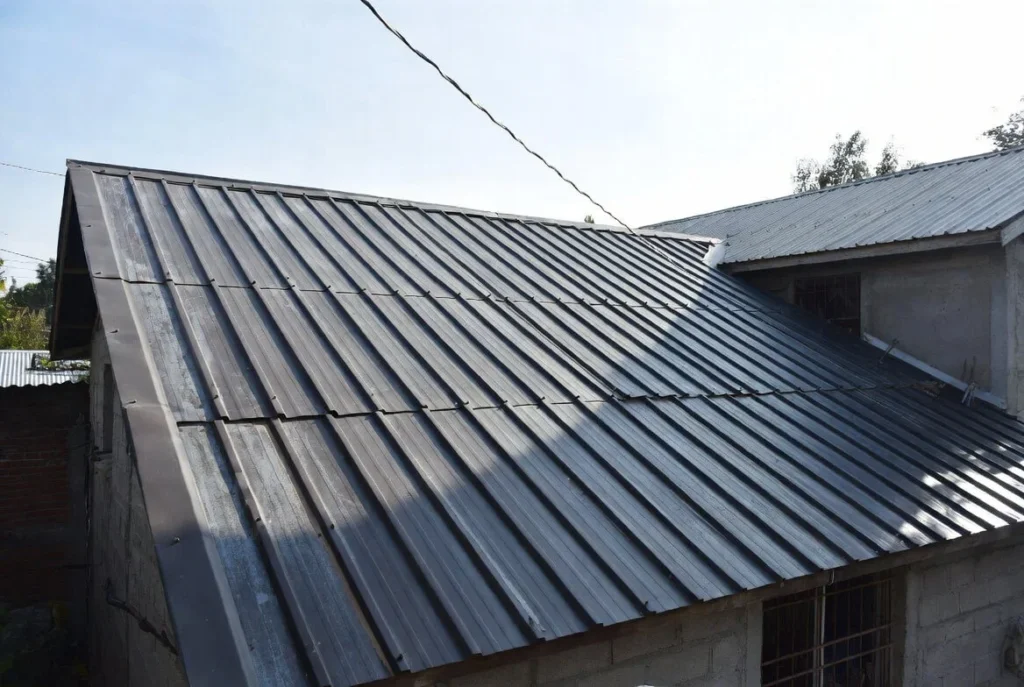
Want the durability of metal with the traditional look of shingles?
Metal shingles are individual panels designed to mimic asphalt, slate, or wood shake appearance. They blend into neighborhoods where standing seam might look out of place.
Benefits:
- Traditional curb appeal
- 2-3x longer lifespan than asphalt
- Available in hidden fastener designs
Cost falls between corrugated and standing seam. It’s a solid middle-ground option.
Stone-Coated Metal Roofing
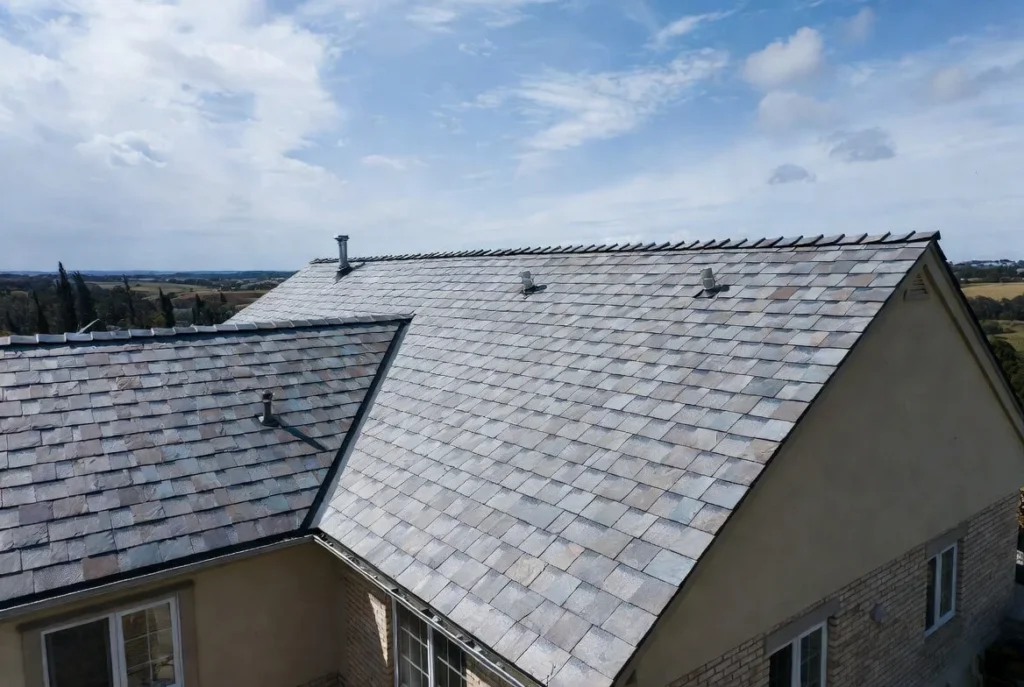
Stone-coated steel takes metal shingles further by adding actual stone granules on top.
This gives you the texture and color depth of traditional materials—Spanish tile, cedar shake, architectural shingles—with metal’s performance underneath.
Bonus benefits:
- Quieter than bare metal (granules absorb sound)
- Enhanced energy efficiency (infrared-reflective pigments)
- Excellent hail and wind resistance
Premium product at premium pricing, but the aesthetics are unmatched.
Metal Roof Material List: Your Options Explained
Now let’s cover what your roof is actually made of.
Steel Roofing
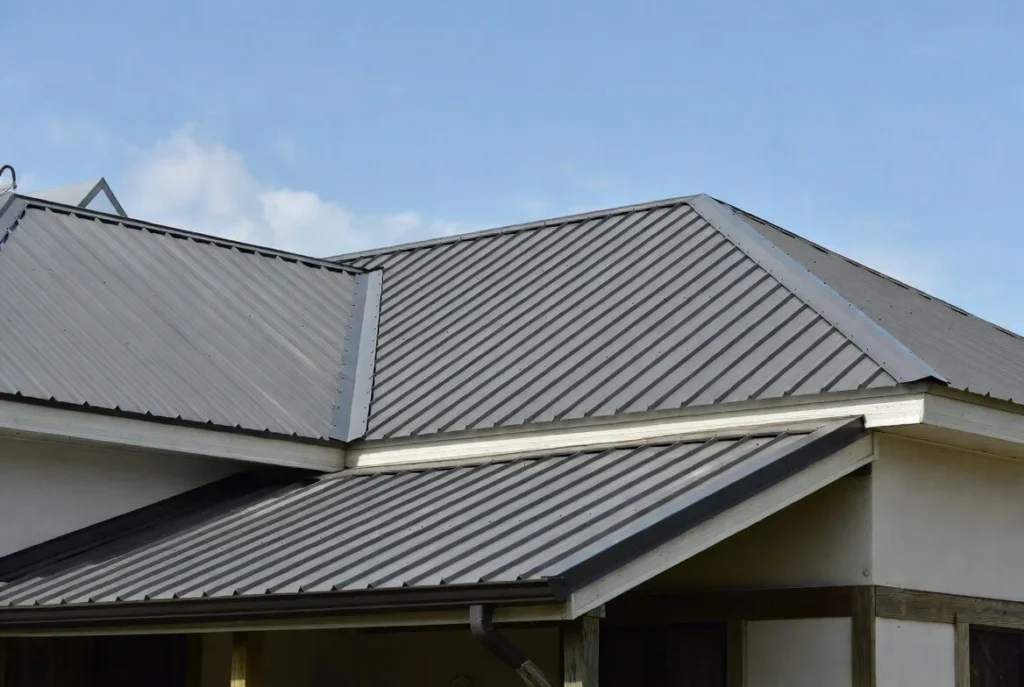
Steel is the most common residential metal roofing material. It’s strong, affordable, and available everywhere.
Key specs:
- Lifespan: 40-60 years
- Cost: $2.00-$5.00/sq ft (materials only)
- Best for: Most residential applications
Steel comes in different gauges (thicknesses). For residential, stick with 24 gauge. It’s the sweet spot between durability and cost. Avoid 29 gauge—it’s too flimsy.
Steel also comes with different coatings:
- Galvanized: Zinc coating for corrosion protection
- Galvalume: Zinc-aluminum alloy (better corrosion resistance)
- Painted: PVDF or SMP paint over galvalume
PVDF paint (like Kynar) costs 30-40% more than SMP but fades slower and comes in more vibrant colors. Worth the upgrade.
One warning: Steel isn’t ideal for coastal areas. Salt air accelerates corrosion even with coatings. Choose aluminum instead.
Aluminum Roofing
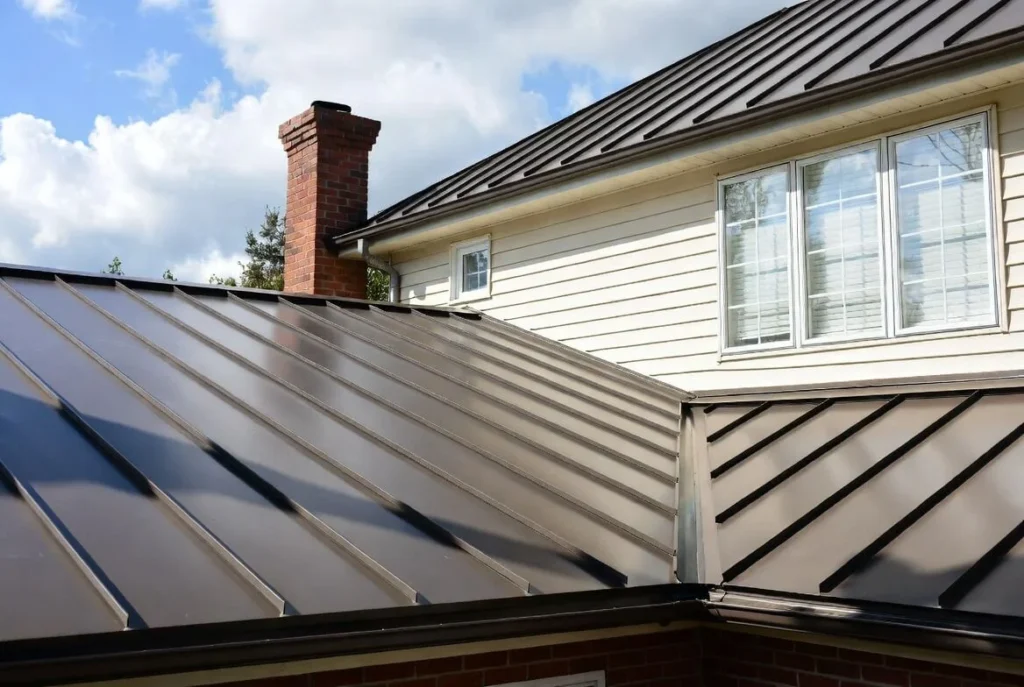
Aluminum is lightweight, corrosion-proof, and perfect for oceanfront properties.
Key specs:
- Lifespan: 40-60 years
- Cost: $5.00-$10.00/sq ft (materials only)
- Best for: Coastal environments, lightweight requirements
Aluminum costs about 35% more than steel. It’s also softer, which means more susceptible to denting from hail or falling branches. If you’re near the coast, the corrosion resistance justifies the premium. Inland? Steel makes more sense financially.
Copper Roofing
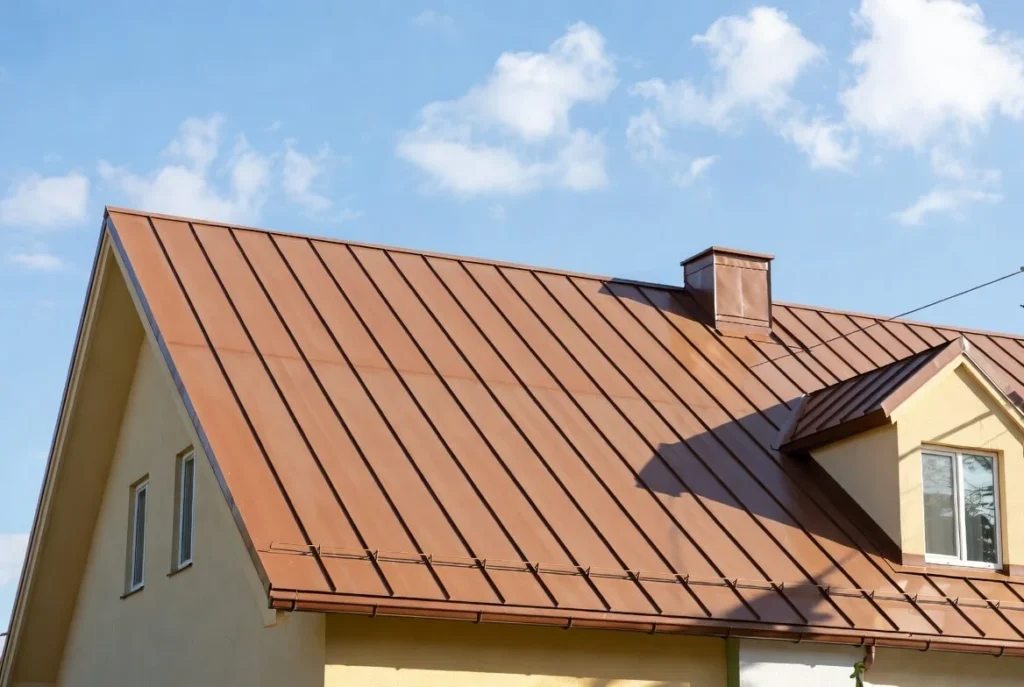
Copper is the luxury choice. Stunning appearance that changes over time as it develops a protective patina.
Key specs:
- Lifespan: 60-100+ years
- Cost: $13.00-$25.00/sq ft (materials only)
- Best for: High-end homes, accent features
Most homeowners can’t afford full copper roofs. But copper accents—over bay windows, porches, or entryways—add serious curb appeal and value. Copper naturally resists corrosion, making it another good coastal option if budget allows.
Zinc Roofing
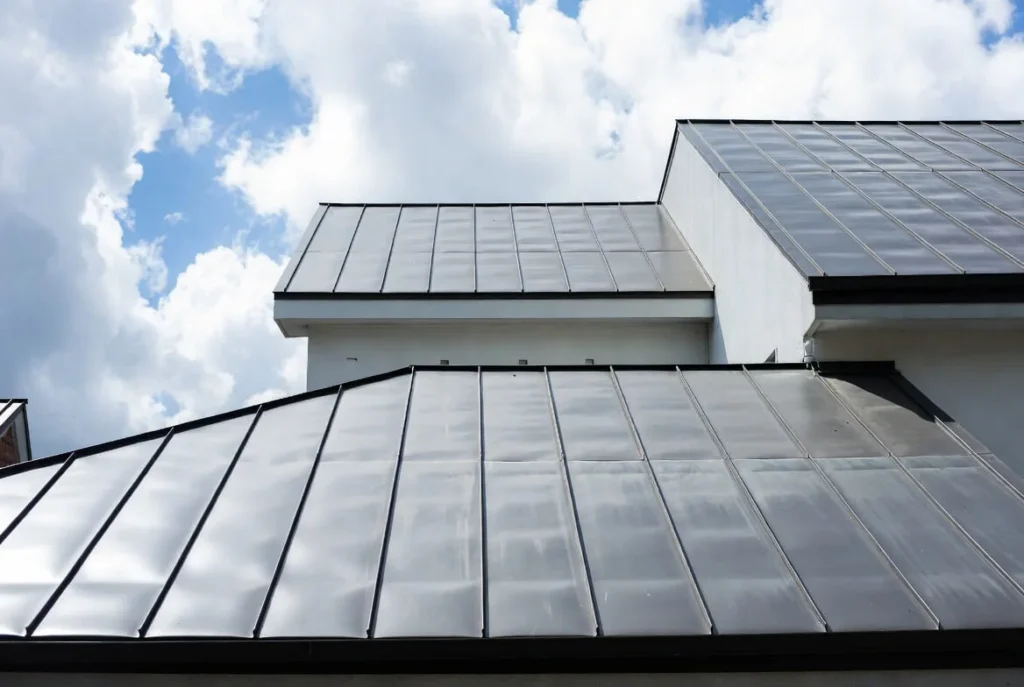
Zinc shares copper’s longevity and patina development but with a blue-gray finish instead of green.
Key specs:
- Lifespan: 80-100+ years
- Cost: $13.00-$25.00/sq ft (materials only)
- Best for: Architectural statements, European aesthetic
Zinc is rare in the U.S. Most suppliers import it from Europe, which can delay projects and increase shipping costs significantly on small jobs.
Beautiful material, but limited availability makes it impractical for most residential projects.
How to Choose the Right Metal Roofing Type
Here’s my decision framework:
- Budget-conscious? Go corrugated steel for outbuildings, standing seam steel for living space.
- Near the ocean? Aluminum or copper—no exceptions.
- Want a traditional appearance? Metal shingles or stone-coated steel.
- Planning to stay forever? Invest in standing seam with PVDF finish.
- Installing solar later? The standing seam allows clamp mounting without penetrations.
For most homeowners, 24-gauge steel standing seam with PVDF paint hits the perfect balance of cost, performance, and aesthetics.
Check out our metal roofing cost guide for detailed pricing on each option.
Installed Costs: What to Actually Budget
Materials are only part of the equation. Here’s what complete installation runs:
| Panel Type | Installed Cost/Sq Ft |
| Corrugated Steel | $7-$12 |
| Standing Seam Steel | $10-$16 |
| Standing Seam Aluminum | $11-$17 |
| Standing Seam Copper | $23-$35 |
These vary by region, roof complexity, and contractor. Get multiple quotes.
The Bottom Line on Metal Roofing Types
Metal roofing isn’t one-size-fits-all. Your climate, budget, and aesthetic preferences all matter.
For most homeowners, standing seam steel with PVDF paint delivers the best combination of performance, longevity, and value. If you’re coastal, switch to aluminum. If the budget is tight, corrugated works for non-living spaces.
At Rainy Roofers, we help homeowners match the right metal roofing type to their specific situation. Contact us for a consultation, and we’ll walk through your options based on your home, location, and goals. The right metal roof lasts a lifetime. Choose wisely.