You want a roof that looks unique but also performs well. Maybe you’ve seen homes with that distinctive style hip roof on the bottom, small gable poking out at the top. That’s a dutch gable roof. And you’re wondering if it’s right for your home.
At Rainy Roofers, I get questions about this hybrid design constantly. Homeowners love the look but worry about cost and complexity.
Let me break down everything you need to know about Dutch gable roofs.
What Is a Dutch Gable Roof?
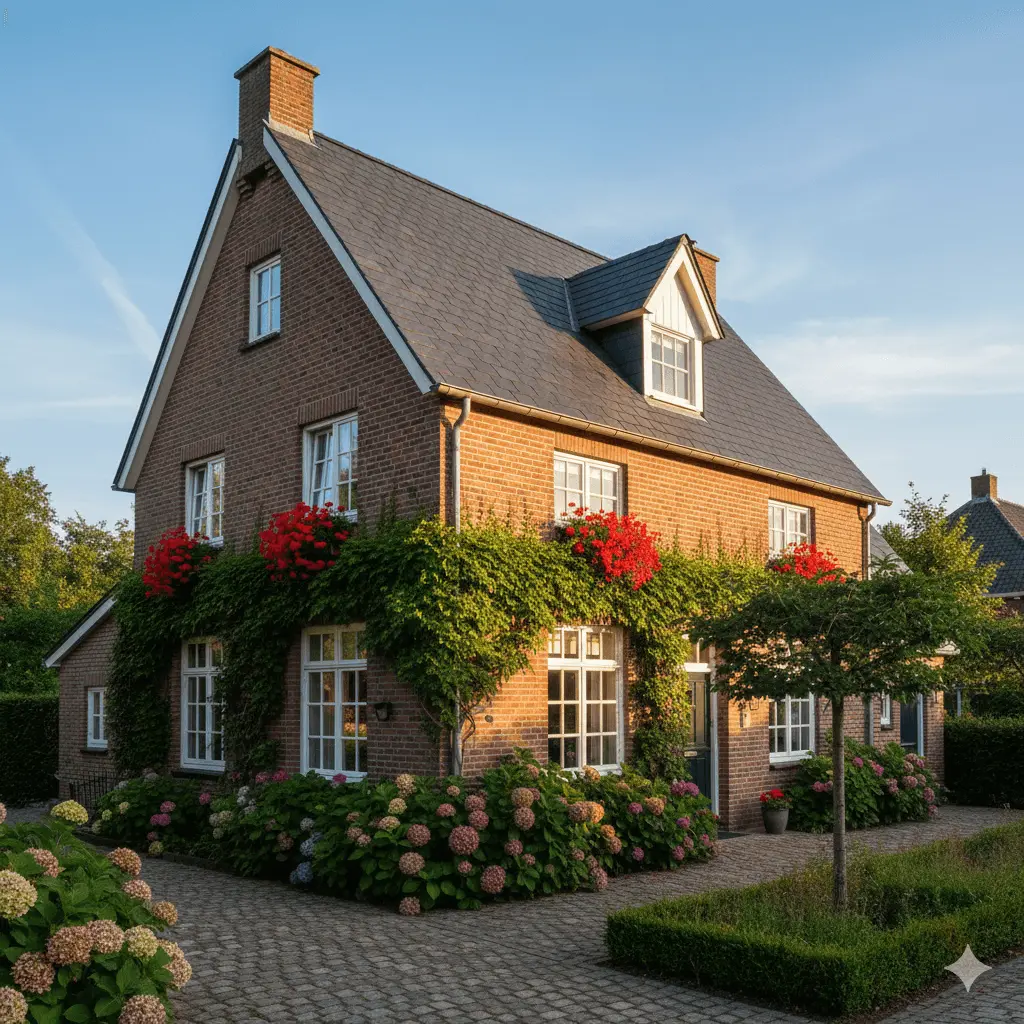
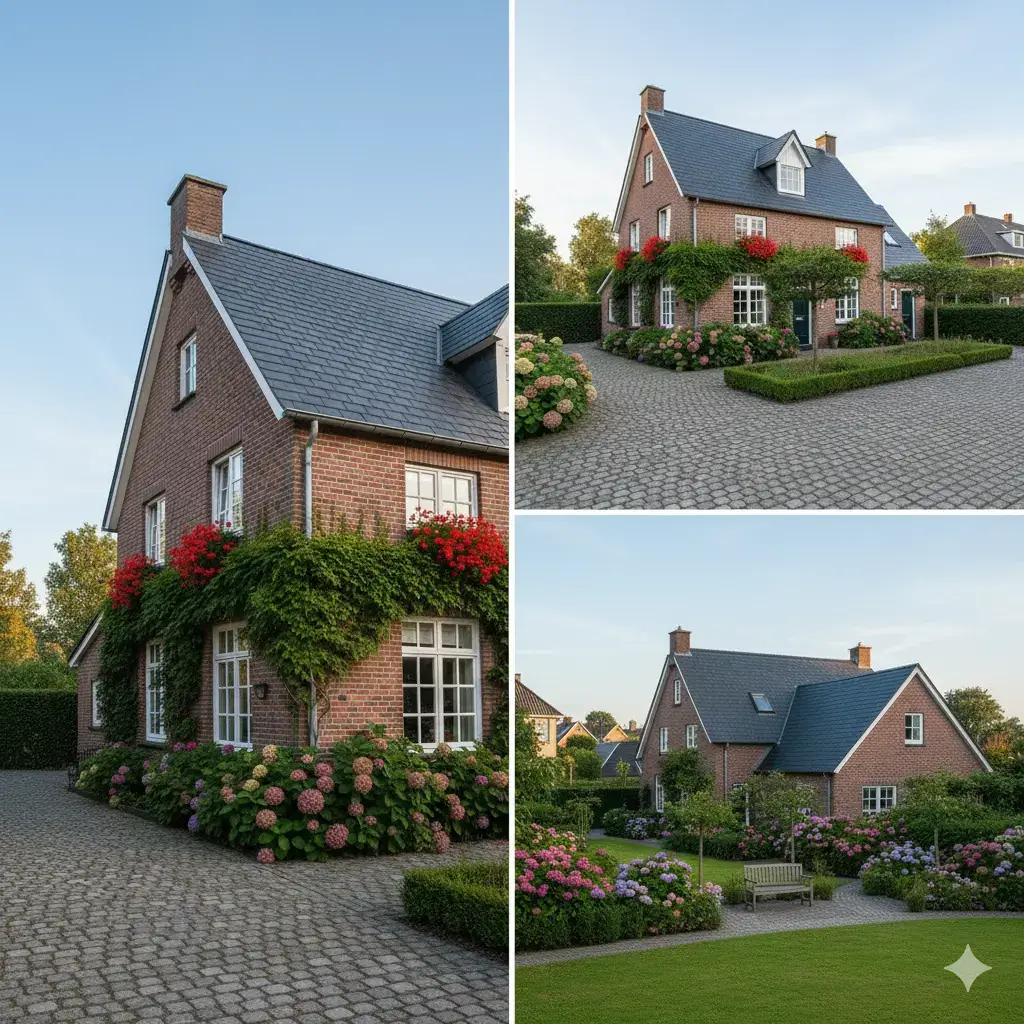
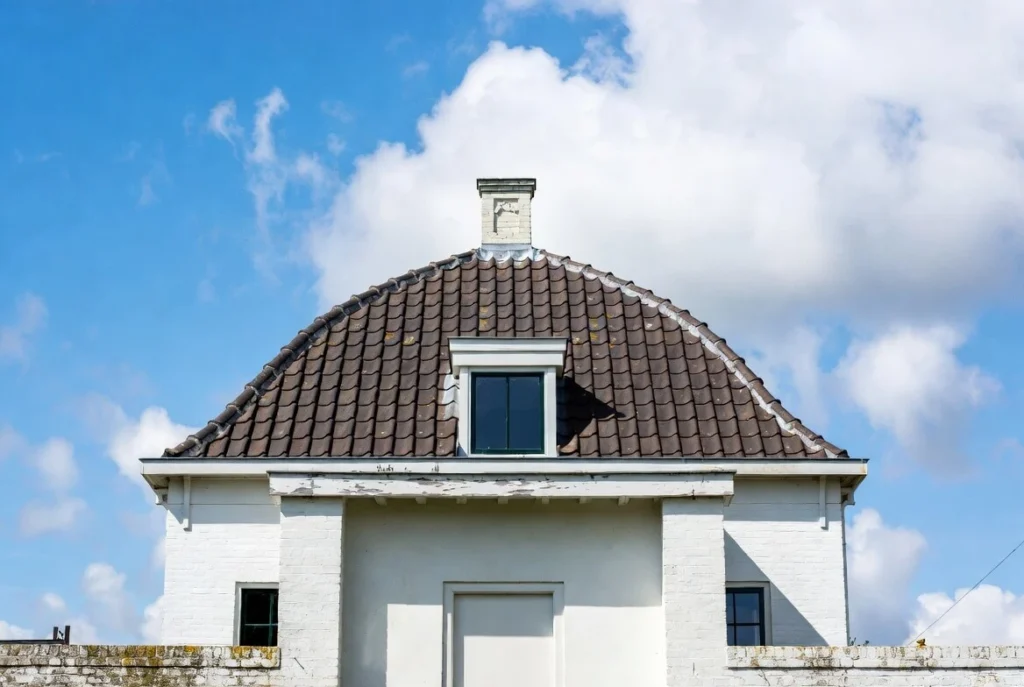
A dutch gable roof combines two roof styles into one hybrid design. The base is a hip roof—four sloping sides meeting at the top. But instead of coming to a ridge or peak, there’s a small gable (called a gablet) sitting on top. Think of it as a gable-on-hip design.
Key features:
- Four sloped sides at the base
- Small gable/gablet at the top
- Triangle-shaped ends on the gablet
- Hybrid hip-gable construction
This style originated in the Netherlands in the 17th century—hence “Dutch” gable. It spread worldwide because it solves problems that pure hip and pure gable roofs can’t.
You’ll also hear it called a dutch hip roof. Same thing, different name.
Why the Dutch Gable Roof Design Works
Here’s the genius of this roof style: it combines the best features of both parent designs while minimizing their weaknesses.
- Hip roofs are structurally strong and handle wind well. But they limit attic space because all four sides slope inward.
- Gable roofs provide great attic space and ventilation. But they’re vulnerable to wind damage and don’t allow gutters on all sides.
The dutch gable roof design gives you structural stability from the hip portion AND usable attic space from the gable portion. Best of both worlds.
Dutch Gable Roof Advantages
Let’s talk about why this roof style keeps gaining popularity.
Increased Attic Space
This is the big one. Pure hip roofs kill your attic space. All four sides slope inward, creating a cramped pyramid shape inside.
The gablet at the top of a dutch gable roof opens that space up. You get usable square footage for storage, HVAC equipment, or even conversion to living area.
One of my customers had a 1,200 square foot ranch with a hip roof. Basically zero attic space. We rebuilt it as a dutch gable and they gained enough room for a small home office upstairs.
Natural Light Opportunities
Here’s something most people miss about Dutch gable roof design. That gablet creates vertical wall space at the top of your roof. Vertical walls mean windows.
Install windows in your gablet and suddenly your attic has natural light flooding in. No skylights needed. Just regular windows that are easier to install and maintain. This also improves energy efficiency. Natural light means less artificial lighting during the day.
Superior Wind Resistance
The hip roof base is self-bracing. Four slopes leaning against each other create inherent structural strength. This matters if you’re in hurricane country, tornado alley, or anywhere with serious wind. Dutch gable roofs handle high winds better than pure gable designs.
The small gablet on top is minimal exposure compared to a full gable roof where the entire triangular end faces the wind.
Excellent Drainage
Four sloped sides mean water flows off in all directions. Rain and snow don’t pool anywhere. Better yet—you can install gutters on all four sides. Pure gable roofs only allow gutters on two sides. Dutch gables give you complete drainage control.
Curb Appeal
Let’s be honest Dutch gable roofs look impressive. The combination of hip and gable elements creates visual interest that plain roofs can’t match. They work on modern homes, traditional homes, farmhouses, and everything between. That distinctive gablet draws the eye and makes your home stand out in the neighborhood.
Dutch Gable Roof Disadvantages
Now the downsides. Because every roof style has them.
Higher Construction Cost
Dutch gable roofs cost more than simple hip or gable designs. The math is straightforward:
- More complex framing
- More materials
- More labor hours
- More skill required
You’re paying for that hybrid design. Budget 15-25% more than a comparable hip roof.
More Seams and Leak Potential
Where the hip meets the gable, you get seams. Seams are potential leak points. Dutch gable roofs require meticulous flashing and waterproofing where the gablet meets the hip portion. Poor workmanship here creates problems. This isn’t a deal-breaker just means you need skilled installers. Don’t cheap out on labor.
Increased Maintenance
More complex design means more to maintain. Those seams need periodic inspection. Flashing needs attention. The gablet area requires monitoring for water intrusion. None of this is excessive, but it’s more than a simple gable roof requires.
Best Applications for Dutch Gable Roof Design
Dutch gable roofs work especially well in certain situations.
- Small to medium homes: When you need to maximize space on a limited footprint, the added attic square footage matters.
- High-wind areas: The structural stability of the hip base handles serious wind better than pure gable designs.
- Heritage or traditional neighborhoods: The classic look fits architectural styles from farmhouse to colonial to craftsman.
- Carports and additions: The dutch gable design creates visual harmony when matching existing home architecture.
I recently worked on a carport addition for a 1920s bungalow. The main house had gables, but a straight gable carport looked too assertive. We built a dutch gable that complemented without competing. Perfect match.
Material Options for Dutch Gable Roofs
Dutch gable roofs accommodate virtually any roofing material:
- Asphalt shingles – Most common, affordable
- Metal roofing – Excellent for modern or rustic designs
- Clay or concrete tile – Premium traditional look
- Cedar shake – Classic aesthetic
- Slate – Highest-end appearance
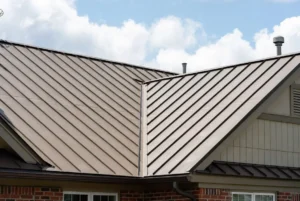
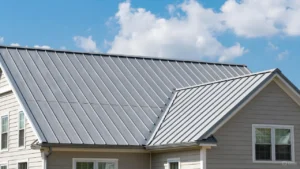
Metal is particularly popular on Dutch gables. The clean lines complement the architectural interest of the hybrid design.
For material comparisons, see our roofing materials guide.
Dutch Gable vs Hip Roof
Can’t decide between dutch gable and pure hip? Here’s the breakdown.
Choose dutch gable if:
- Attic space matters
- You want natural light upstairs
- Visual interest is priority
- Budget accommodates higher cost
Choose pure hip if:
- Simplicity matters
- Budget is tight
- Maximum wind resistance needed
- Minimal maintenance preferred
Both handle wind well. Dutch gable just adds functionality and aesthetic appeal at higher cost.
Dutch Gable vs Gable Roof
Comparing dutch gable to pure gable:
Choose dutch gable if:
- You’re in a high-wind area
- You want gutters on all sides
- Curb appeal is priority
- Budget is flexible
Choose pure gable if:
- Budget is limited
- Maximum attic space needed
- Simple construction preferred
- Snow shedding is critical
Conclusion
Dutch gable roofs deliver the best of both worlds hip roof stability with gable roof functionality. You get wind resistance, excellent drainage, increased attic space, and distinctive curb appeal. The trade-off is cost and complexity. Dutch gable roof design requires skilled craftsmanship and higher investment than simpler styles.
For the right home especially smaller homes needing maximum space or properties in high-wind areas it’s worth every penny. We specialize in dutch gable construction and replacement. [Contact us] for a consultation, and we’ll help you determine if this hybrid design fits your home and budget.