Commercial buildings in Southeast Texas take a beating. Gulf Coast humidity, hurricane-season wind loads, and months of intense summer heat put roofing systems under stresses that most of the country never deals with. The system you choose, and how well you maintain it, has a direct effect on your building’s longevity, its energy efficiency, and what you spend to operate it.
Few places in the U.S. are harder on a commercial roof than this stretch of the coast. Owners who get to know the local conditions early tend to choose better materials, better contractors, and better maintenance schedules. Hiring one of the established roofing companies in Beaumont Texas with real Gulf Coast experience is often what separates a roof that reaches its full lifespan from one that needs expensive work a few years in.
Why Southeast Texas Demands a Different Roofing Approach
Southeast Texas has a humid subtropical climate. Beaumont gets about 55 inches of rain a year, which puts it near the top in Texas. The area also lies right in the path of Gulf storms, and those storms can bring winds of 80 to 100 mph or more. Then there are the long summers. Constant UV exposure breaks down roofing membranes and sealants faster, and humidity that gets trapped under the roof leads to early deterioration, mold growth, and decking rot.
A roof that holds up fine in Dallas or Austin can fail early on the Gulf Coast. It happens when the installer doesn’t plan for the wind uplift requirements, moisture management, and thermal cycling that come with Southeast Texas weather. That’s why local contractor experience carries so much weight when you’re weighing options for a commercial property here.
Commercial Roofing Systems That Work in This Climate
TPO (Thermoplastic Polyolefin)
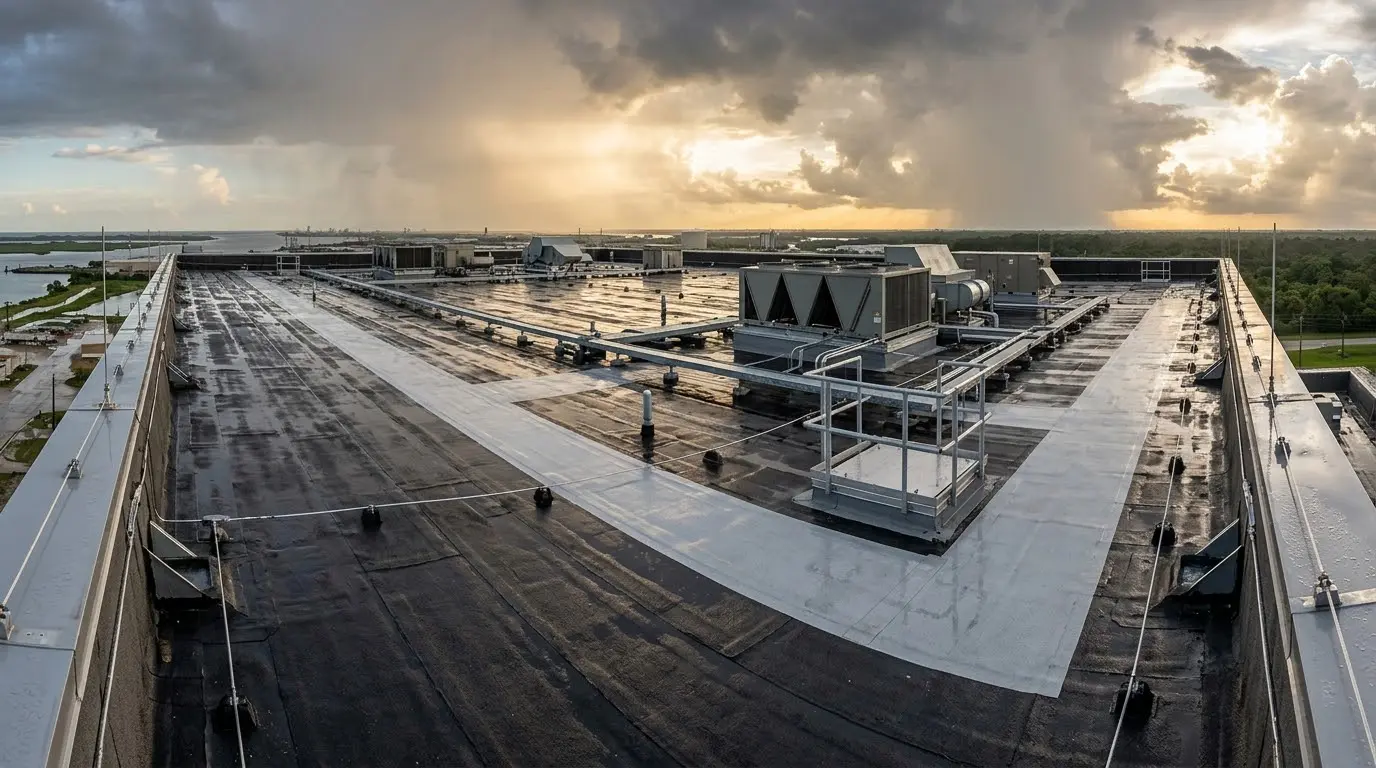
TPO is one of the most common flat roof systems you’ll see in Southeast Texas. The white reflective surface bounces solar heat away from the building, so cooling costs drop noticeably in the hot months. Its seams are heat-welded, which makes them very hard for water to get through, and in a high-rainfall market that matters a lot. TPO is also light and cost-effective. Those two traits make it a practical choice for big commercial footprints like retail centers, warehouses, and office complexes with flat or low-slope roofs.
Metal Roofing
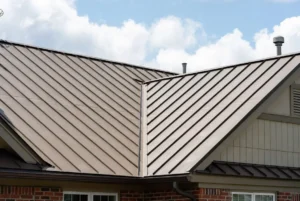
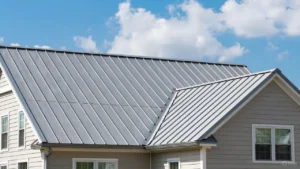
Few commercial roofing options handle wind as well as standing seam metal roofing. Installed correctly, a metal roof can stand up to hurricane-force winds and last 40 to 60 years with very little maintenance. Metal also resists mold and algae growth on its own, and that’s a constant headache in humid coastal environments. You’ll pay more upfront than you would for a membrane system. Over the life of the building, though, the return on investment is strong for most commercial applications.
Modified Bitumen
Modified bitumen is an asphalt-based system built in multiple layers. It waterproofs well and stays flexible through temperature extremes, so it copes with the thermal expansion and contraction cycles Southeast Texas roofs go through every season. It has a long history on flat commercial roofs, especially where budget matters and owners want extra waterproofing layers for redundancy. Older buildings are a common fit.
EPDM (Rubber Roofing)
EPDM is a tough single-ply membrane that commercial roofers have relied on for decades. It stands up well to UV exposure and ozone, and because it’s flexible, it’s less likely to crack when the structure moves. The downside here is its dark surface. It absorbs heat, which works against you in a Southeast Texas summer unless the membrane gets a reflective coating. EPDM usually makes the most sense for buildings where longevity and low maintenance come first.
A contractor who works with several types of roofing material can usually give you a wider view when recommending a system. Cool Roofs is one contractor in Southeast Texas that handles both residential and commercial systems, with TPO, metal, EPDM, and modified bitumen installations all part of its work.
Key Maintenance Considerations for Commercial Roofs in the Region
Because of the climate, commercial roof maintenance in Southeast Texas needs a tighter schedule than national averages would suggest.
Plan on inspections twice a year, ideally before and after hurricane season, so problems get caught while they’re still small and cheap to fix. Flat roofs need extra attention after heavy rain, since that’s when ponding water shows up. When drains get blocked, the standing water speeds up membrane deterioration and adds structural load over time. Check and clear drainage systems on a regular basis.
Seams and flashing need to be watched closely. Heat cycling makes the roof expand and contract, which puts stress on these areas, and they’re the most common places for water to get into commercial membrane roofing. The humidity is also perfect for algae and moss growth. Leave it untreated for a few seasons and it starts breaking down the roofing materials.
After a named storm or any major weather event, get a professional inspection done before you file an insurance claim. Documenting the damage before any repair work starts is essential to the claims process, and it can make a real difference in how the claim turns out.
How Long Do Commercial Roofs Last in Southeast Texas
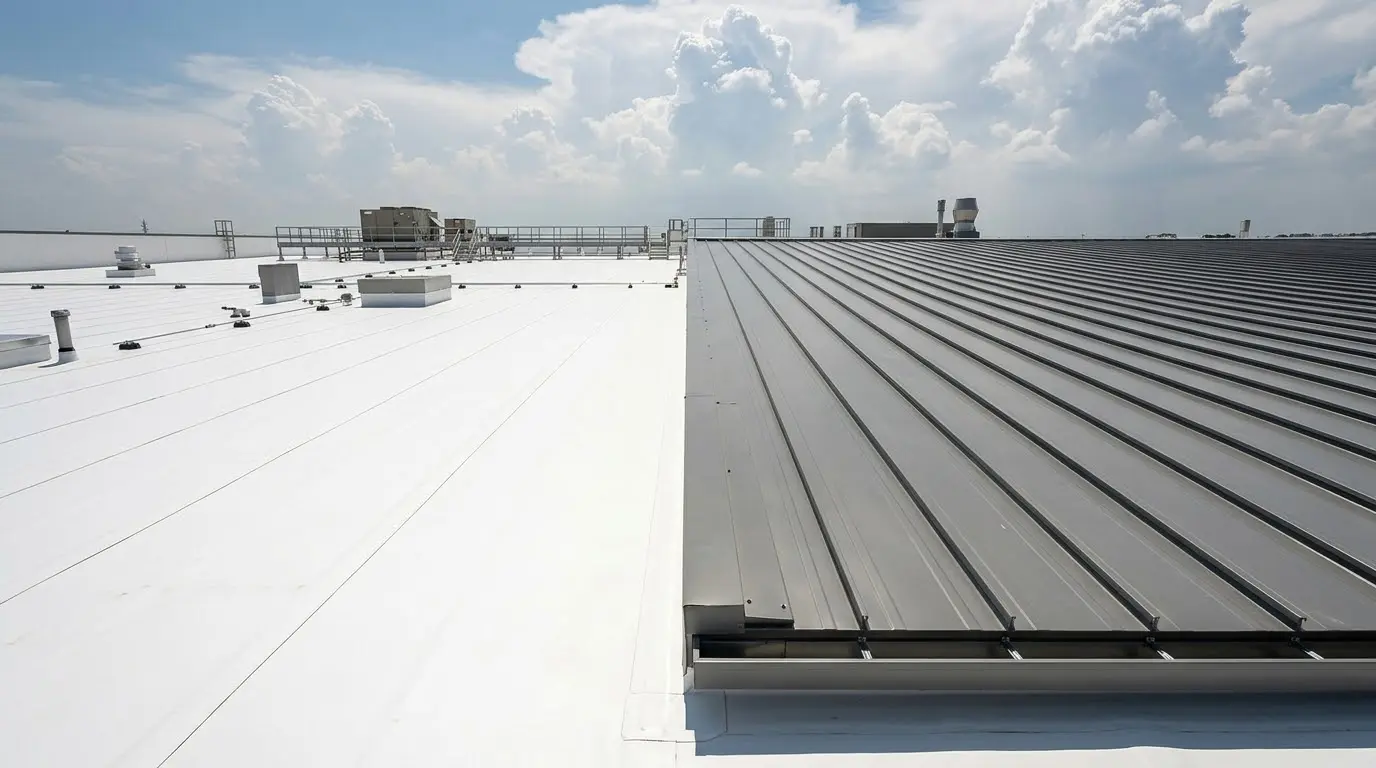
How long a commercial roof lasts comes down mostly to the material and how well it’s maintained. In this climate, TPO membranes usually last 15 to 25 years. Metal roofing can reach 40 to 60 years if the fasteners are maintained and the coating is kept up. Modified bitumen systems tend to perform well for 15 to 20 years, while EPDM lands around 20 to 30 years depending on installation quality and UV coating.
Those numbers assume regular inspections and quick fixes for minor issues. In a humid, storm-prone climate, a neglected roof can lose a third to half of its expected lifespan.
Frequently Asked Questions
How often should a commercial roof in Southeast Texas be inspected?
At least twice a year: once in late spring before hurricane season, and again in late fall after it ends. Any significant storm calls for an extra inspection, no matter where you are in the schedule.
What is the most weather-resistant roofing material for Gulf Coast commercial buildings?
For Gulf Coast conditions, standing seam metal roofing gives you the strongest wind resistance and the longest lifespan. If you have a flat roof, TPO with heat-welded seams is a solid performer because it pairs water resistance with heat reflectivity.
Does commercial roofing require permits in Beaumont, TX?
Yes. Most commercial roofing work in Beaumont needs a building permit, and every installation has to meet local wind load and energy code requirements. A licensed contractor will take care of permitting as part of the project.
What is the typical cost of a commercial roof replacement in Southeast Texas?
It depends on roof size, material, and how complex the job is. Installed TPO generally runs $5 to $10 per square foot. Metal roofing costs more, usually $10 to $20 per square foot, and modified bitumen sits somewhere in between. Get several quotes and confirm exactly what each one covers.
Can a commercial roof be repaired instead of replaced?
Often, yes, especially when the underlying deck is sound and the damage is limited to specific sections. The only reliable way to know whether repair or full replacement is the more cost-effective path for your building is a professional inspection.