
A zinc roof costs $10–$25 per square foot installed, or $20,000–$50,000 for a 2,000 sq ft (186 m²) roof. Most homeowners spend around $32,000 including materials and labor. Prices shift based on 5 main factors: roof size, style, complexity, panel thickness, and your location.
Zinc sits at the premium end of the metal roofing market. The upfront price is higher than steel or aluminum — but a zinc roof lasts 80–100 years with minimal maintenance, which often makes it the lower-cost option over a full lifetime.
This guide breaks down every cost factor so you can budget accurately before calling a contractor.
Zinc Roof Cost at a Glance
The table below shows installed costs by roof size, including materials and labor.
| Roof Size | Low Cost | Average Cost | High Cost |
| 1,000 sq ft (93 m²) | $10,000 | $15,000 | $25,000 |
| 1,500 sq ft (139 m²) | $15,000 | $22,500 | $37,500 |
| 2,000 sq ft (186 m²) | $20,000 | $32,000 | $50,000 |
| 2,500 sq ft (232 m²) | $25,000 | $40,000 | $62,500 |
| 3,000 sq ft (279 m²) | $30,000 | $48,000 | $75,000 |
Costs above reflect standard residential roofs with 6/12 pitch or below. Steep roofs or complex layouts increase the total by 20–50%.
Material Cost vs. Labor Cost
Zinc roofing splits almost evenly between materials and labor — roughly 50/50 on most jobs. Here is what each covers:
- Materials (50%): Zinc panels or shingles, fasteners, underlayment, flashing, ridge caps, and drip edge. Material costs run $5–$12 per sq ft depending on style and gauge.
- Labor (50%): Installation, seaming, cutting, and finishing. Labor costs run $5–$10 per sq ft. Steeper roofs and complex layouts push labor higher.
For a 2,000 sq ft roof: expect to pay roughly $16,000 in materials and $16,000 in labor, for a combined total near $32,000.
Zinc Roof Cost by Style
Style is the biggest pricing variable after size. There are 4 main zinc roofing types:
| Style | Material Cost | Installed Cost | Best For |
| Standing Seam | $7–$12/sq ft | $15–$25/sq ft | Most homes; watertight |
| Zinc Shingles / Tiles | $5–$9/sq ft | $12–$20/sq ft | Residential; mimics other styles |
| Corrugated Panels | $5–$8/sq ft | $12–$18/sq ft | Outbuildings; high-pitch roofs |
| Flat Lock Panels | $8–$12/sq ft | $18–$28/sq ft | Low-pitch; architectural builds |
Standing Seam Zinc
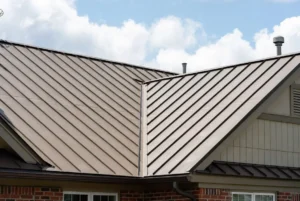
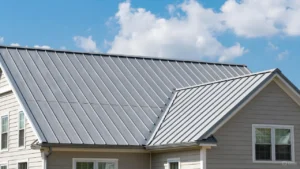
Standing seam is the most popular zinc roofing style. Vertical panels lock together with raised seams that run ridge to eave. Concealed fasteners mean no exposed screws — reducing leak risk. Cost: $15–$25 per sq ft installed.
For a 2,000 sq ft roof using standing seam zinc, budget $30,000–$50,000 total.
Zinc Shingles and Tiles
Zinc shingles cost slightly less than standing seam — around $12–$20 per sq ft installed. Shingles install faster, cutting labor by nearly 20% compared to panels. They work well on standard residential roofs and can mimic the look of slate or wood shake.
Corrugated Zinc Panels
Corrugated zinc is the most budget-friendly zinc option at $12–$18 per sq ft installed. It works best on high-pitched roofs and utility buildings. Less common on primary residences.
Flat Lock Zinc Panels
Flat lock panels use interlocking folded seams across smaller panels. They require skilled installation and suit low-pitch roofs and architectural projects. At $18–$28 per sq ft, flat lock is the most expensive zinc style due to labor intensity.
6 Factors That Change Your Zinc Roof Price
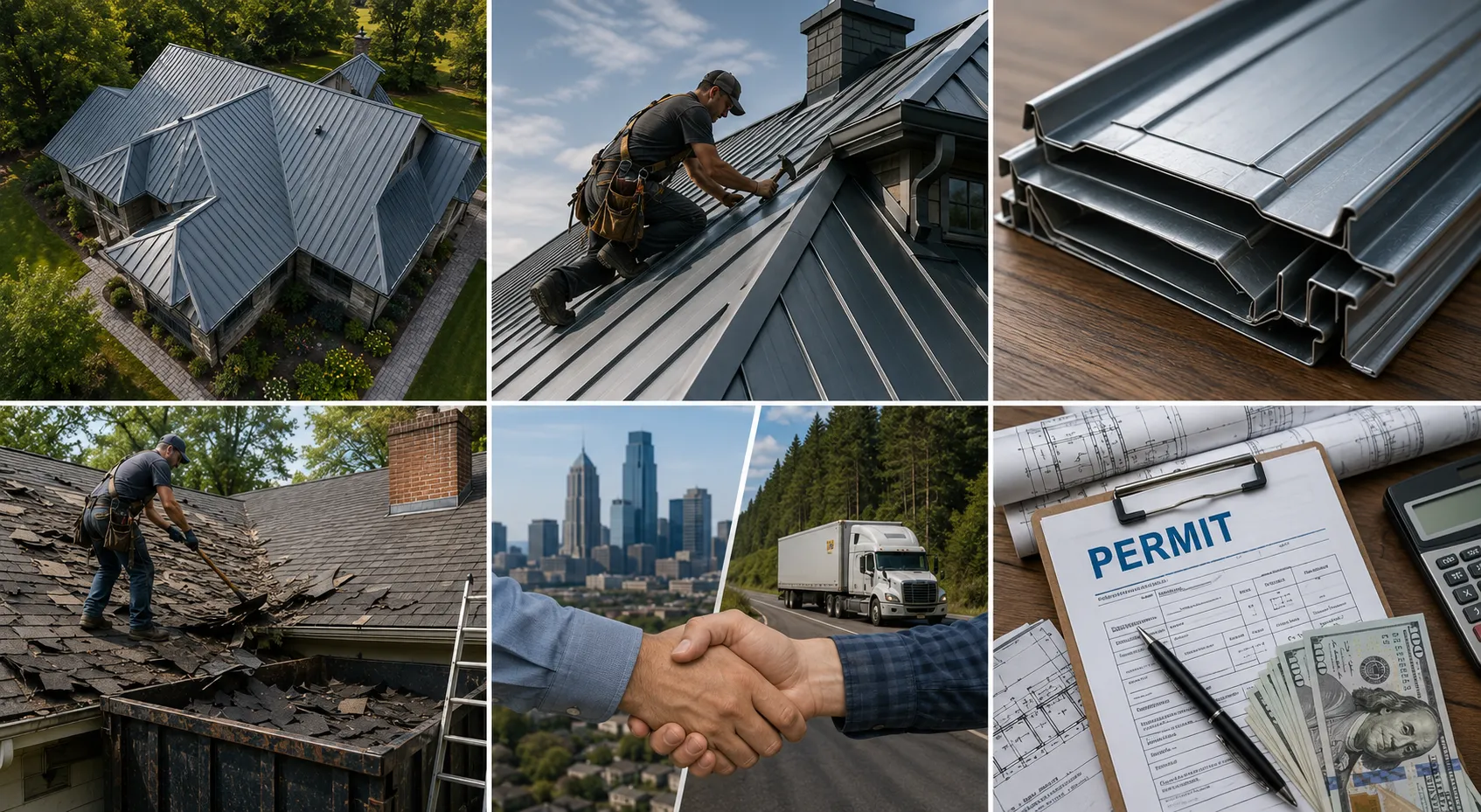
1. Roof Size
Larger roofs cost more in total but often cost slightly less per sq ft due to material efficiency. A 1,000 sq ft roof costs more per foot than a 3,000 sq ft roof from the same contractor.
2. Roof Complexity and Pitch
A simple gable roof costs less than a roof with multiple valleys, dormers, skylights, or chimneys. Complex layouts increase cutting waste and labor time. Steep roofs — above 6/12 pitch — require safety gear and slower work, adding 20–50% to labor costs.
3. Zinc Gauge (Thickness)
Standard residential zinc roofing uses 22–24 gauge (0.028″–0.031″ or 0.71–0.79 mm). Thicker gauges cost more but resist denting better. Most contractors default to 22 gauge for standing seam and 24 gauge for shingles.
4. Existing Roof Removal
Tearing off your old roof adds $1–$5 per sq ft. For a 2,000 sq ft roof, expect $2,000–$10,000 for demolition and disposal. Some contractors can install over existing shingles using foam spacers, eliminating this cost.
5. Location and Local Labor Rates
Labor rates vary significantly by region. Urban areas and high cost-of-living states charge more. Remote locations add transport costs for materials. Always get 3 quotes from local contractors before committing.
6. Add-Ons and Permits
Several line items commonly appear on zinc roofing invoices:
- Permits: $200–$600 depending on municipality
- Flashing replacement: $200–$500
- Drip edge: $1.50–$3.00 per linear foot
- Gutter replacement: $12–$25 per linear foot
- Furring strips: $3–$6 each, raises panels off substrate to prevent moisture contact
- Underlayment: Breathable underlayment is critical for zinc — non-breathable synthetic can trap moisture and cause corrosion on panel backs
If you’re comparing options before deciding, our metal roofing installation guide covers standing seam, steel, and aluminum side by side.
Zinc Roof Cost vs. Other Roofing Materials
Here is how zinc compares to the most common residential roofing materials on upfront cost, lifespan, and lifetime value:
| Material | Installed Cost/sq ft | Lifespan | Maintenance | Recyclable |
| Zinc | $10–$25 | 80–100 yrs | Very low | 100% |
| Copper | $20–$40 | 100+ yrs | Very low | 100% |
| Steel (standing seam) | $10–$16 | 40–60 yrs | Low | Yes |
| Aluminum | $11–$17 | 40–50 yrs | Low | Yes |
| Asphalt Shingles | $3–$7 | 20–30 yrs | Medium | Limited |
| Tile / Slate | $10–$20 | 50–100 yrs | Low | Partial |
Asphalt shingles need full replacement every 20–30 years. Over 80 years, a homeowner replaces asphalt at least 3 times — spending potentially more than a zinc roof costs once. That is the lifetime cost argument for zinc.
Zinc Roof: 5 Pros and 4 Cons
Pros
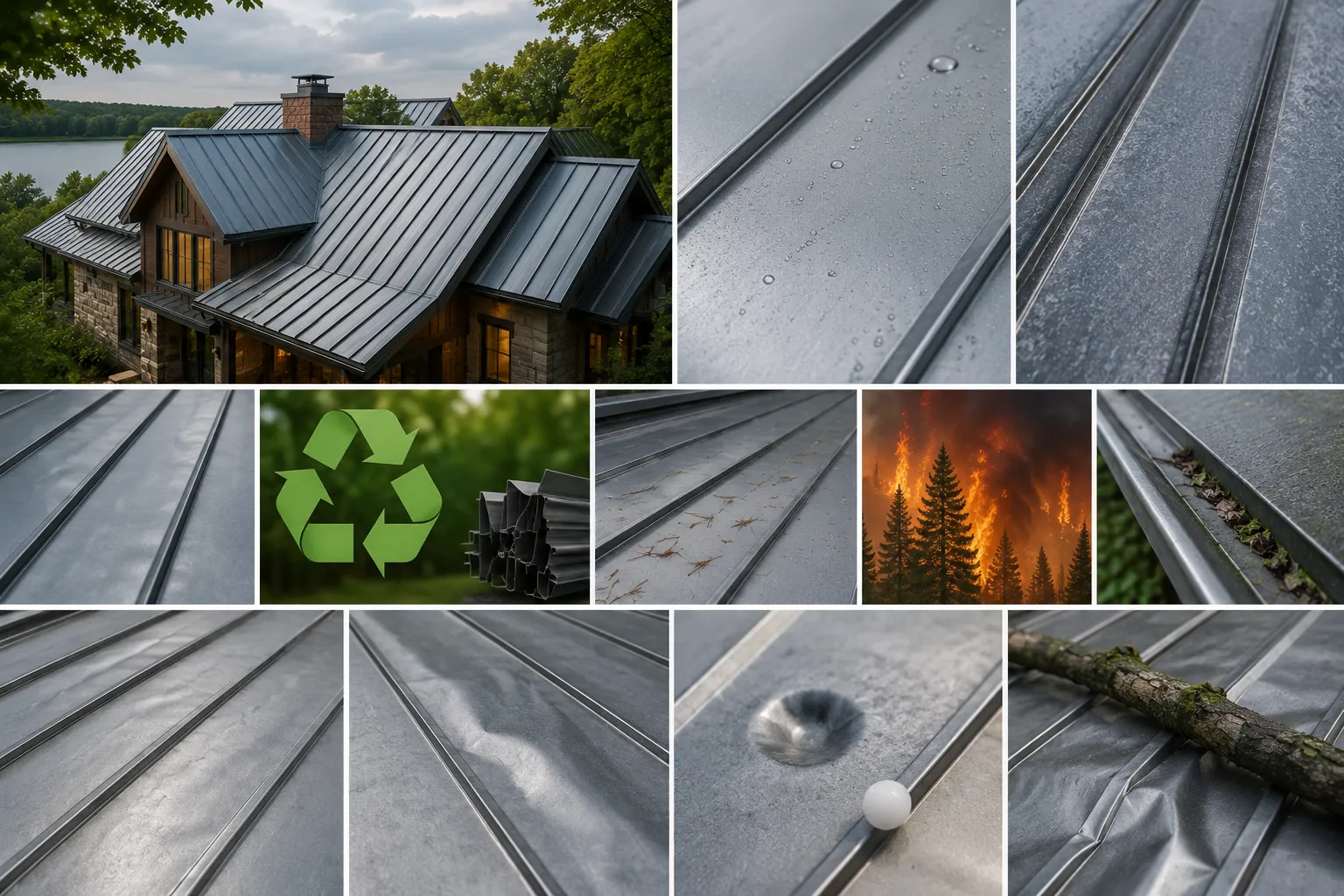
- 80–100 year lifespan. Only copper roofing lasts longer. Most homeowners never need to replace a zinc roof in their lifetime.
- Self-healing patina. Zinc develops a natural carbonate layer (patina) when exposed to air and water. This layer continuously reforms, sealing scratches and minor damage without any maintenance.
- Very low maintenance. No repainting, resealing, or regular repairs. Once properly installed, zinc largely looks after itself.
- 100% recyclable. Zinc is non-toxic and fully recyclable at end of life, with lower manufacturing energy use than asphalt shingles.
- Fire, insect, and mold resistant. Zinc is fire-rated, insect-proof, and a natural fungistat that prevents mold and mildew growth.
Cons
- High upfront cost. At $10–$25 per sq ft, zinc costs 3–5x more than asphalt shingles. The case for zinc depends on planning to stay long-term.
- Patina appearance varies. The patina can take 5–30 years to develop depending on climate. In dry areas, uniform color change takes longer. Patina may also appear uneven during transition.
- Oil canning. Flat zinc panels can develop a visible waviness called oil canning. It does not affect performance — only appearance. Textured or striated panels reduce this effect.
- Denting risk. Zinc is softer than steel. Large hail or falling branches can dent zinc panels. Minor dents self-heal via patina; deeper ones may need replacement.
Zinc Roof Return on Investment (ROI)
A professionally installed zinc roof returns up to 80% of its cost at resale, rising to 95% in coastal or high-rainfall regions like the Pacific Northwest and East Coast.
Zinc roofs also qualify for energy efficiency incentives in some states and may reduce homeowners insurance premiums due to fire resistance and storm durability. Check with your insurer and local tax authority for specifics.
A properly maintained zinc roof performs better over decades. See our roof maintenance services page for what a preventive inspection covers.
DIY vs. Professional Zinc Roof Installation
Zinc roofing requires professional installation. Zinc panels must accommodate thermal expansion and contraction. Improper fastening causes buckling or panel failure. Non-breathable underlayment traps moisture against panel backs, causing underside corrosion that voids warranties and shortens lifespan significantly.
Hire a contractor with documented zinc roofing experience — not just general metal roofing experience. Ask for photos of previous zinc jobs and check manufacturer certifications. Zinc is imported primarily from Europe and requires handling knowledge that not every roofer has.
Always get 3 quotes. For a 2,000 sq ft roof, quotes varying by $5,000–$8,000 are common — reflecting contractor experience, material sourcing, and overhead. The cheapest quote is rarely the right choice for a premium material.
Commercial property owners: zinc is also popular on flat and low-slope commercial roofs. Our commercial metal roofing team handles both residential and commercial zinc installations.
4 Ways to Reduce Zinc Roof Installation Cost
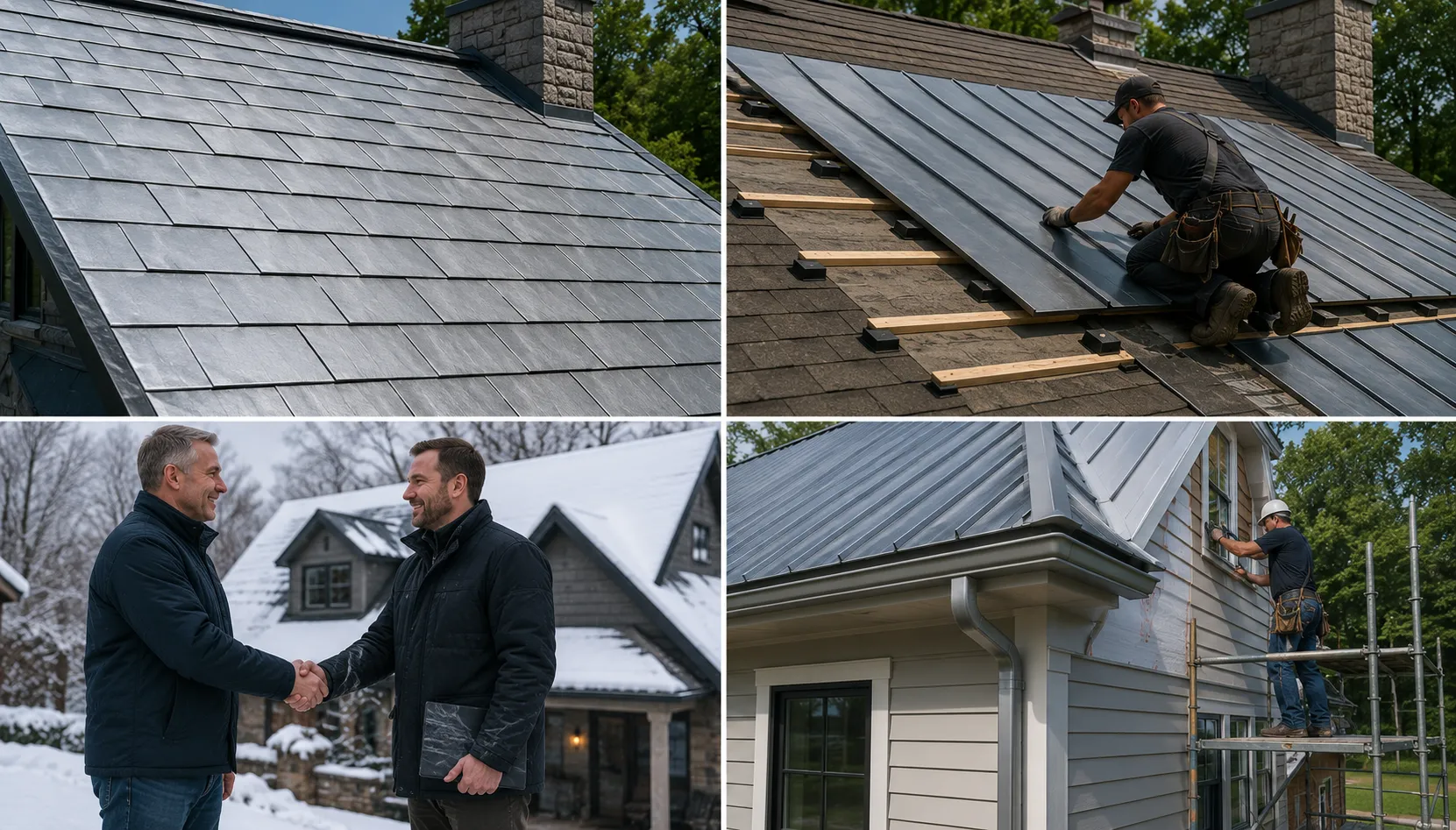
- Choose zinc shingles over standing seam. Shingles install 20% faster than panels, cutting labor costs without sacrificing lifespan or weather performance.
- Install over existing shingles. If structural conditions allow, foam spacers let roofers install zinc panels over old shingles — eliminating $2,000–$10,000 in demolition and disposal costs.
- Get quotes in late fall or winter. Roofing demand drops in colder months. Contractors are more negotiable on labor rates from October through February in most US regions.
- Bundle with other exterior work. Combining a zinc roof installation with gutter replacement or siding work often reduces total project cost since mobilization fees are shared.
Conclusion
Zinc costs more upfront than steel or aluminum, but an 80 to 100 year lifespan and a self-healing patina mean it often works out cheaper over the life of the roof than materials homeowners have to replace two or three times. It only pays off, though, with proper installation and breathable underlayment, so hire someone with documented zinc experience rather than a general metal roofer. If the full price feels out of reach, corrugated zinc panels offer a lower-cost way into the material without giving up its core durability.